News and Blog
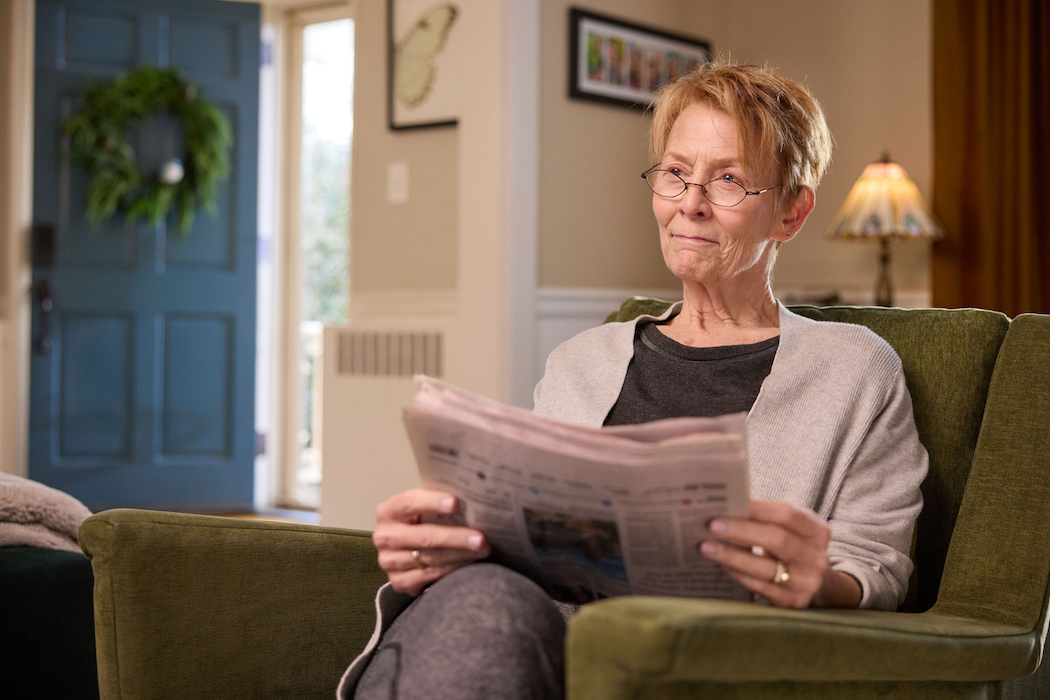
Staying socially connected is essential for seniors' overall well-being. Learn valuable tips on how your senior loved one can stay connected with their family, friends, and the community.
Continue ReadingAs we age, some of the changes that our bodies go through can make driving a less safe activity for seniors. Eye diseases, arthritis, memory problems, side effects from medications, and more, can all make it harder to street, react to conditions on the road, and make decisions behind the wheel.
Continue ReadingThere has been a great deal of research done recently which has shed light on what has been called an “epidemic” of loneliness among seniors. The University of Michigan published a study which found that 25% of adults have reported feeling lonely. And you may not know this, but loneliness is in fact a health problem. Many experts have listed it among health concerns such as smoking or obesity in terms of causing negative health outcomes.
Continue ReadingWhile it is entirely possible to work out at home or outside, joining and working out at a gym has numerous advantages. For one, there is a large amount of space and a wide variety of equipment and machines, all allowing you to perform many exercises that would be otherwise difficult or impossible at home. Staff and instructors teach classes for you to follow along with, and can show you the correct and safe way to use machines and perform exercises. Gyms also provide a place to exercise in the event of bad weather, and many health insurance plans offer discounted or even free gym memberships.
Continue ReadingIn the United States, more than 30 million people are currently living with diabetes. Diabetes is a disease that happens when levels of blood glucose, more commonly known as blood sugar, are too high.
Continue ReadingStaying hydrated during spring activities is of utmost importance for seniors. Read more and learn about the importance of hydration so you can fully enjoy your spring outdoor activities.
Continue ReadingMaybe your trips to the supermarket produce section are limited to grabbing a few tomatoes, bananas, apples and an onion or two for a basic selection of fruits and vegetables.
Continue ReadingOur teeth and gums change as we age. The years of wear and tear will take a toll, often leading to thinning enamel and broken or lost teeth. And even when teeth are repaired, with crowns, fillings, root canals or bridges, they are still less hardy. And gums recede, leading to sensitive areas of the teeth not covered by enamel to be exposed.
Continue ReadingDementia is a collection of symptoms that can occur due to a variety of diseases. They include impairments in thought, communication, and memory. Currently, there is no cure for the symptoms or the diseases that cause them, and the best way to combat it is to adopt a healthy lifestyle and hopefully prevent it. For care providers and family members of the elderly, it is important to be aware of the early signs of dementia.
Continue ReadingMany of us are not alone in feeling tired and sleepy. According to the CDC, one in five adults suffers from insufficient sleep every day. As we get older, adequate, restful sleep can seem to slip away from us. Creating good sleeping habits when you can will pay off later in life.
Continue ReadingOne thing that seems to be in the air today is that good feelings for other people can be in short supply. Whether it’s arguments shooting back and forth from either side of the political divide, snarky comments on Facebook or Youtube, mean and inflammatory tweets, and news sites about one misery or another happening in the world somewhere, it seems like everything is designed to make us all feel prickly, judgmental, and self-focused.
Continue ReadingWith Daylight Savings past us and an extra hour of sunlight in the evenings as the days get longer as we travel through Spring on into Summer, it’s a good time to remind everyone that sunburn season is officially upon us. That means that it is time to start thinking about protecting our skin from the harmful ultraviolet rays that can give us painful sunburns as well as raise our risk of contracting skin cancer.
Continue ReadingAmericans are living much longer than ever now, and the truth is that bad health is not an unavoidable or natural part of the aging process. There are many myths and misconceptions surrounding getting older, but with moderate research findings and practical experience they can be disproven, altering the way we think about aging into and through the twilight years.
Continue ReadingAfter the age of 40, muscle mass and strength in people will begin to deteriorate. As a consequence, the capability to engage in physical exercise becomes less and less. After the age of 50, the decline in strength and muscle mass rises to 15% per decade. Muscles will atrophy and grow weaker and smaller when not used, which creates a vicious cycle of age reducing muscles which then causes the person to do less activity, which reduces them further. In the elderly, the leading cause of this problem is sarcopenia, which is the involuntary loss of muscle mass and bone density due to age.
Continue ReadingPeople tend to sleep more lightly as they get older. Midnight awakenings due to aches or bathroom needs are common occurrences for the elderly, as well as taking a nap during the day to make up for lost sleep at night.
Continue ReadingMeal plans that are low in sodium, fat, and carbohydrates can have tremendous benefits for diabetics. Here is our guide on how to prepare nutritious meals if you are taking care of a diabetic relative.
Continue ReadingSepsis is a serious and life-threatening health condition that can and does affect all age groups. Infants, people with chronic health conditions, and those who have damaged immune systems are all more likely than those without to acquire sepsis. However, adults over the age of 65, particularly those who have health problems, are more prone to sepsis than all other groups and demographics. Adults 65 years of age and older are 13 times more likely than adults younger than 65 to be hospitalized with sepsis, and 63% of older adults admitted to the ICU present with sepsis upon entry. Just as with strokes and heart attacks, sepsis is a critical medical emergency that requires swift diagnosis and treatment to save the health and life of the patient.
Continue ReadingChronic conditions like heart disease, diabetes, arthritis, and others can significantly affect the quality of life of the person suffering from them. Even though many chronic disorders do not have a cure, there are usually several treatments or strategies that are available to help manage and alleviate symptoms. Home care is a type of health care that offers assistance and support to people while they are at ease in their own home.
Continue ReadingOne thing you may notice if you should look at the fossils of early man is that their skeletons were comprised of thick, heavy and powerful looking bones. While you may attribute this to their existing in a state closer to nature and being closer to our wild, unevolved state, the surprising truth is that our own bones today have the potential to be just as strong.
Continue ReadingGrowing older brings with it a more common occurrence of tooth and gum problems. While some seniors think losing some or all of their teeth is inevitable, the truth is that good oral hygiene and care lowers the risk of dental problems. This is even more important than ever, as poor oral health is linked with malnutrition, and a whole host of other issues like heart disease and even dementia.
Continue ReadingBeing mentally healthy means being in a state of emotional, psychological, and physical health. All three areas have an impact on our capacity for rational thought, positive mood, and effective behaviors. Several widespread risk factors affect mental health, and they can appear at any age or any moment. The majority of older persons have good mental health, but many are at risk of developing illnesses because of physical, social, neurological, or other environmental variables that are harmful to good mental health.
Continue ReadingOlder adults may have a long-term primary care provider with whom they have developed a trusting relationship over the years they’ve been seeing them. But as we age, we may find ourselves needing a new doctor. They may have retired from practice, your needs as a patient may have changed, you may have different insurance that no longer covers their practice, or your conditions may require the care of a specialist. No matter the reason, odds are good that at some point in your life you will find yourself shopping for a new healthcare provider for yourself or a loved one.
Continue ReadingMemory issues are one of the earliest signs of Alzheimer’s disease and other dementias. People who have Alzheimer’s can gradually lose their capacity to have a conversation and react to their surroundings.
Continue ReadingAs we age, we tend to find our memories become less reliable. We may forget important details, or trivial details like where we placed something. This is a normal part of aging, but there are still ways to help prevent memory loss.
Continue ReadingLecanemab, which is marketed under the brand name Leqembi, is a recently approved anti-amyloid monoclonal antibody intended for the treatment of Alzheimer’s disease. This class of medication works by clearing amyloid deposits from the brain. Amyloid is a protein that accumulates in the brains of those suffering from Alzheimer’s, and is the critical component in the resulting dysfunction and damage to the brain.
Continue Reading