News and Blog
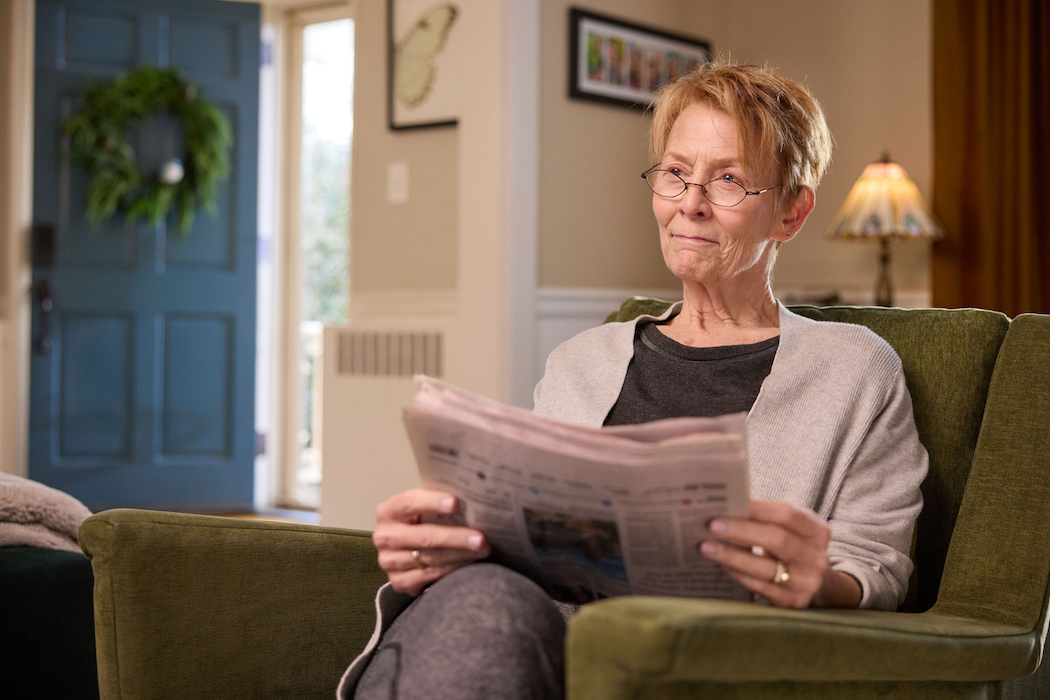
Dementia is a devastating disease, and many seniors count it as one of their fears as they age, with good reason. But there are many reasons to have hope and keep yourself from stressing out about it unnecessarily. For one, despite what many people assume about aging, cognitive decline is not an inevitable and normal part of the aging process. And beyond that, there are many measures you can take to reduce your risk of developing dementia, or if you’ve been diagnosed with it, slow, stall, or even reverse the progression of it.
Continue ReadingForgetting things is sometimes an everyday part of life. It’s the reason to-do lists, reminder apps, and tying a string around your finger all exist. As people age, it’s possible they may experience more frequent episodes of memory loss, and this is often a normal part of aging. So how can older adults tell if what they are experiencing is normal aging symptoms, or signs of something worse, like Alzheimer’s disease or another form of dementia?
Continue ReadingMost seniors have at least one, if not many more, prescription medications that they take daily. Depending on how medications are taken, they can be crucial for health when the guidelines are followed, or they can cause a major health setback if taken improperly. Whether it’s taking too many doses mistakenly, or forgetting the schedule and skipping medication at the appointed time, the results can be deadly.
Continue Reading
A healthy, well-balanced diet is a crucial part of good health, and this is especially true for seniors. Processed foods, while convenient and plentiful, are often devoid of the essential vitamins, minerals, and nutrients that you receive from fresh foods. Summer is one of the best times of the year for fresh produce of all colors, or even trying to grow your own. Summer is the perfect season to make a conscious effort to add in more fruits and vegetables to your daily diet.
Continue ReadingWhen we reach our twilight years, one of the key ingredients to staying healthy, remaining independent, and living longer with a high quality of life is exercise. Exercise is of course important at all stages of life, but uniquely important for seniors due to the negative impact on our bodies that many of the physical effects of the aging process have.
Continue ReadingMany of us understand the need for each of us to have some amount of personal space and isolation from time to time. Whether to recharge our emotional batteries, think through some thoughts, or just spend our time on our own terms, research has shown that periods of self-imposed isolation can reduce stress, build self reflection and self esteem, and improve focus.
Continue ReadingWhen most people think of the changes that cognitive decline like dementia or Alzheimer’s disease brings about, they tend to focus on a few measures of brain health. The reality however, is that the truth of the breadth of the changes is a lot more complicated.
Continue ReadingRecreational activities are a great way for seniors to stay active and engaged in their later years. Whether continuing a current or rediscovering an old hobby, or exploring something new, recreation can strengthen physical and mental abilities. Just because someone is a senior doesn’t mean they have to sit around playing bingo or watching the news.
Continue ReadingUrinary incontinence is one of those realities of life that many people consider to be an inevitable nuisance that happens as you age. While the aging process and the decline of physical capabilities plays a role, it’s not something that you need to accept unquestioningly, or let influence your life and decisions should it happen to you
Continue ReadingFor many caregivers, the idea of receiving a solid eight hours of sleep on a given night sounds like a wonderful pipe dream. After all, it’s difficult for people who don’t have the added concern of providing care to a senior loved one to get eight hours in each night, so what chance would they have? While prioritizing sleep as a caregiver can be a hard row to hoe, it should be a priority for any elder care plan. After all, the better the health and mindset of the caregiver, the better the care provided will be.
Continue ReadingFor seniors looking to stay active and reap some of the many health benefits of exercise, swimming can be a great and effective way to stay moving and boost their health and mood. Swimming is not only fun and relaxing, but it also poses less risk of injury than many other activities, and it can be done by people of all ages and many different levels of health or ability. It also does not require any special training or special equipment beyond a volume of water large enough for swimming, and it’s one of the best ways to beat the heat on a hot summer day.
Continue ReadingMany of us who have never experienced depression, or have only struggled with it from time to time after a tragic event, assume that it is merely an unshakeable feeling of sadness. While this can be true for some people, the fact is that depression does not necessarily have to include feeling sad. It may manifest in other, unexpected ways, that you or loved ones may not always associate with depression. Many times, for seniors, these uncommon and unexpected signs and symptoms can be normal.
Continue ReadingWe carry our skin around every day, but oftentimes we neglect it and don’t think about it until irritation or injury occurs. Our skin is a fragile layer of tissue that surrounds us, and is actually the human body’s largest organ. Skin is made up of water, protein, fats, and minerals, and serves many vital functions like protecting us against germs and regulating body temperature. Like all parts of our body, skin changes with age. Over the course of our lifetimes, skin is susceptible to scratches, tears, cuts, burns, infections, and diseases.
Continue ReadingMaintaining strong bones as we age will reduce the risk of osteoporosis. Every year in the United States, close to 1.5 million fractures are caused by osteoporosis, a condition affecting seniors especially where bones become weak and brittle.
Continue ReadingMany seniors struggle with a poor diet, something that sadly goes overlooked by friends and family members. Older adults may have qualms about leaving the house, especially given the risk of the coronavirus that remains ever-present.
Continue ReadingThe outdoors aren’t called the great outdoors for no reason. Countless studies, research, as well as the sum total of human experience throughout history have all pointed to the same conclusion time and time again, which is that getting outside and taking in nature and all our world’s natural splendor has real, tangible benefits. Spending time outside can improve our mood and mental health, boost the strength of our immune system, lower blood pressure, and even shorten time spent healing after surgery or a significant injury.
Continue ReadingAs we age through our lives and enter our twilight years, one thing you’re sure to notice is the increase in tips, advice, and conversations related to health and wellness. It makes sense, after all, we all want to age with dignity and remain capable and healthy for as long as possible, and for many of us, by the time we’ve become seniors we may have developed a chronic condition, or had one catch up with us. One topic you’ve probably heard over and over is high blood pressure. High blood pressure is a concern, of course, and has all sorts of negative health outcomes if left untreated, but equally dangerous and under discussed is low blood pressure.
Continue ReadingParkinson’s is a disease that affects nearly one million Americans today. The more you know about the disease, the more you can be on the lookout for early warning signs, as well as provide better care and understanding for any loved ones who may be afflicted with it.
Continue ReadingWhen penicillin was invented in 1928, it was a turning point in medical history and was the beginning of the modern era where physicians could actually cure deadly infections.
Continue ReadingWith the recent change from winter to spring, temperature fluctuations can be difficult for seniors suffering from arthritis. Researchers believe that weather changes can increase stiffness and swelling in joints. When joints ache from use, it can cause seniors to be sedentary, which is one of the worst things for continuing health and quality of life. And while there are medications that can treat arthritis, or at least lessen the symptoms, many of these have side effects that can make the tradeoff not worth it to many older adults.
Continue ReadingYou may have heard the word probiotics before, and something about their role in promoting health. Many people around the world are turning to probiotics to prevent or treat a variety of digestive maladies. Many products on grocery shelves are now loudly advertising the presence of probiotics in their formula, and in the pharmacy there’s all sorts of pills and supplements touting their probiotics and benefits. It is estimated that product development and sales will reach $50 billion within the next five years.
Continue ReadingMost of us understand the definition of the word frail, and often we find ourselves using it to describe older adults we might see shuffling slowly, using a cane or walker, or suffering from vision and hearing impairments.
Continue ReadingThis March happens to be the second anniversary of when COVID-19 was officially declared to be a pandemic. The amount of huge, impactful changes to our daily lives and society as a whole have been impossible to miss, and one of the consequences of it all has been a drastically increased rate of people reporting sleep problems, especially for those of us in the senior citizen demographic. While there are myriad reasons one may be suffering from a lack of quality, restful sleep, here are some possible culprits.
Continue ReadingThe most common sleep disorder at any age of life is insomnia. And while it affects people of all ages, nearly half of all adults over the age of 60 have trouble falling asleep and staying asleep. And while you might think that poor sleep is merely just an annoyance, something that can be easily remedied and countered with an occasional nap, over the counter sleep aid, or sleeping in late in the morning, the truth is that untreated insomnia can create a significant sleep debt in someone’s life, and can take a serious toll on a senior’s mental and physical health.
Continue ReadingIschemic strokes occur when an artery supplying the brain with blood becomes blocked, which naturally decreases or even completely stops blood flow, which causes a brain infarction. Approximately 80 percent of all strokes are of this type. As clotting problems become more frequent with age, it is of particular concern for those of us caring for seniors, or perhaps aging into that demographic ourselves.
Continue Reading