News and Blog
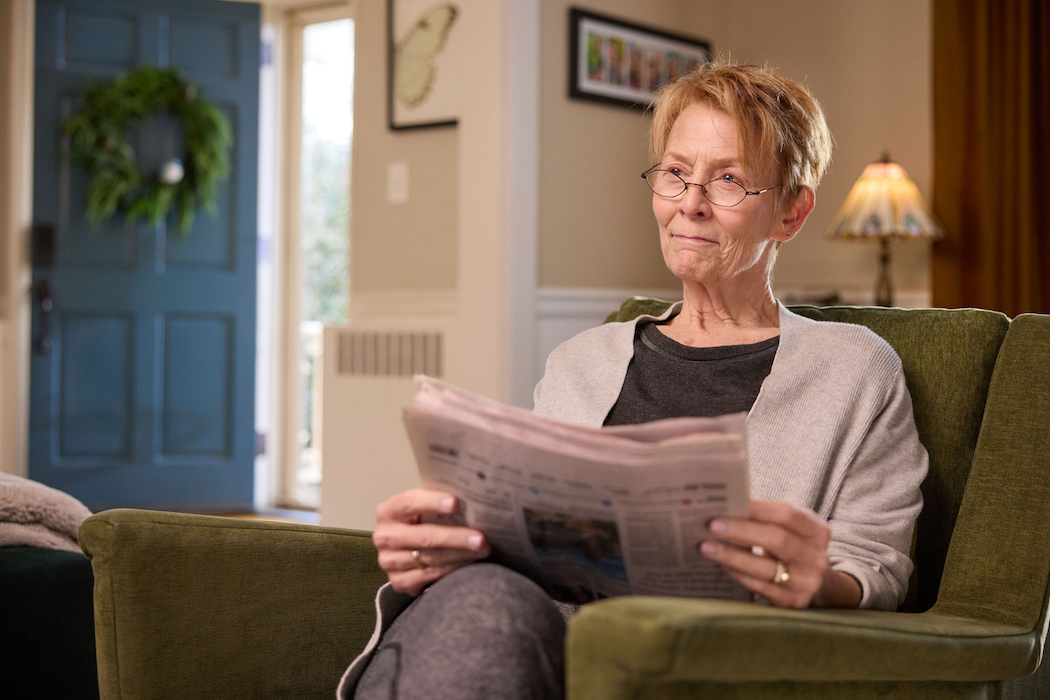
For many of us, we focus on living a heart smart lifestyle as we age. This makes sense, as heart disease claims more than 647,000 lives in the United States every year. But the truth is that lung disease can also have a significant effect on how long we live, and how well we live. As we advance through the years, our lungs typically become weaker and less flexible. But our lifestyles can impact how much change our lungs go through.
Continue ReadingThe holidays are often filled with high expectations, necessitating a lot of energy and engagement to stand up to the onslaught of non-stop activities and functions. But for seniors living with Alzheimer’s disease or related dementias, holidays can be a challenging time filled with high anxiety and stress. Festivities can often confuse, agitate, and overstimulate people living with Alzheimer’s disease and other dementias. And for caregivers, the increased difficulty can add to their existing burden of stress and anxiety.
Continue ReadingDementia impacts the lives of an estimated 50 million people worldwide. According to the World Health Organization, another 10 million cases are diagnosed each year. Of those living with dementia, Alzheimer’s is by far the most common type, making up nearly 80% of cases. In the United States alone, almost 6 million people have Alzheimer’s. As the population continues to age, researchers believe this number will climb higher.
Continue ReadingAs we age, the physical and mental limitations that the aging process brings about can easily lead to a feeling of losing control of the things in life that you love, such as your senior independence. But the good news is that independence doesn’t have an age limit. Older adults can easily take certain steps to allow them to maintain as much of their independence as they can for as long as possible.
Continue ReadingPost-traumatic stress disorder, or, PTSD for short, is a psychiatric condition that can affect people of all ages, including older adults, who have experienced or been a witness to a traumatic event or series of circumstances. PTSD is a complex disorder that can be physical or emotional, or both, and can create a negative impact on a person’s mental health and quality of life.
Continue ReadingAs our loved ones age, it becomes increasingly important to support their autonomy while ensuring their safety and well-being. Let's explore what goes into promoting self-sufficiency for senior loved ones.
Continue ReadingThe back-to-school season can be a challenging time for seniors with dementia as they grapple with nostalgia and memory loss. Here's how you can help.
Continue ReadingThe human body is the most complex system ever created. The more we learn about it, the more we can appreciate what a rich system it is. Over the years, our bodies serve us well. Our muscles allow us to walk, run, dance, hold each other, and all the other things we do that each make a thread in the rich tapestry that is our lives. But as we age, we will inevitably lose some of our strength and balance, and this unfortunately increases our risk of suffering from a fall. In fact, one in four older adults have reported falling at one point or another, which adds up to nearly 36 million falls per year. 8 million of those falls will require medical attention due to injury, and fully half of all seniors who fall will experience another fall in the future.
Continue ReadingFrom political drama, the recent COVID pandemic, rapidly changing technology and norms, and more, there’s no doubt that these modern times can be stressful. For older adults who may have more difficulty navigating news stories and technology like video chatting, the impact can be even worse.
Continue ReadingDehydration is a common, but sadly often underestimated health issue that can affect individuals of any age. But for senior citizens, the impact can be especially severe and also complicated. With the aging process, certain physiological changes occur that can make older adults more vulnerable to the effects of dehydration, which can quickly snowball and lead to serious negative consequences for health.
Continue ReadingMany people today find themselves seeking out approaches and practices in their pursuit of good health that may not necessarily be considered to be part of the typical, conventional approach to conventional medical care. According to the National Center for Complementary and Integrative Health, these products and practices generally fall into three categories.
Continue ReadingSleep has a profound impact on our health and our daily function. As we age, we might find our sleep patterns changing. For instance, we might wake multiple times in the night, or wake up earlier in the morning than we’re used to. Sometimes, we may feel that our sleep isn’t as deep as it once was.
Continue ReadingVascular dementia is a general term describing problems with reasoning, planning, judgment, memory, and other thought processes, caused by brain damage from impaired blood flow to the brain. You can develop vascular dementia after a stroke blocks an artery to your brain, but strokes don’t always cause vascular dementia. It can also result from other conditions that damage blood vessels and reduce circulation, depriving your brain of vital oxygen and nutrients.
Continue ReadingIt is of course difficult to make healthcare decisions for ourselves, especially when it comes to planning on what to do as we begin to wind down and approach the great unknown. But some of us are tasked with making those decisions for the people we care about, when they are for whatever reason unable to do it on their own behalf. Even if your loved one sorted out their advance care planning beforehand, it is likely that it will not cover all possible medical treatments and options. So how can you best advocate for those you care about when they cannot do it for themselves?
Continue ReadingWith the Summer season in full swing, many of us are making travel plans to get away for a while, either for leisure or to spend time visiting with family and friends. This is a good thing, getaways are important for our physical and our mental health. And traveling offers the change to create lasting memories and create meaningful connections with the people around us. But if you, or one of your loved ones traveling with you, has a current heart condition or a history of heart problems, you may find yourself wondering just what is safe when it comes to journeys by planes, trains, and automobiles. It’s important to be well prepared and informed to ensure a safe journey for everyone involved. Here are some important things to keep in mind as you create your plans for summer travel.
Continue ReadingAs summertime settles in, it’s crucial to understand how the hot weather could affect the medications commonly used by your senior loved one.
Continue ReadingMore than 5 million people in the United States are living with a diagnosis of dementia. Globally, it is the seventh leading cause of death among all diseases according to the World Health Organization. Societal costs of dementia are estimated at $605 billion per year, and as the population gets older overall, the number of people with dementia is only expected to increase, with estimates of over 7 million Americans living with dementia by 2025, and over 15 million by 2050.
Continue ReadingArthritis is a painful and debilitating condition that happens to be common among older adults. It has been estimated that at least 92.1 million adults currently living in the United States have either an official diagnosis of arthritis from their healthcare provider, or they report having joint pain and other symptoms that are consistent with a diagnosis of arthritis. While the chronic pain that is associated with arthritis would be a troubling enough issue on its own, arthritis also has a very profound and detrimental effect on the quality of life for those who suffer from it, especially older adults.
Continue ReadingHot weather can lead to a multitude of sleep disturbances for senior adults, from body temperature regulation changes to increased dehydration risks and other discomforts. Thankfully, there are ways to navigate these hurdles and ensure your senior loved one can sleep soundly through the warmer months.
Continue ReadingMeditation was earliest depicted on paintings on cave walls that were done between 3500 and 5000 years ago in the Indus Valley located in the Middle East. All throughout history, most major world religions have included some form of meditation in their spiritual practices. Today, various forms of meditation have become a common component of recommendations in western wellness programs.
Continue ReadingAs we age, heart health is a crucial aspect of our overall well-being. Taking good care of our hearts can prevent a wide range of health problems, such as heart disease, stroke, and heart attacks. Research shows that 80% of married couples share heart disease and risk factors. While this may sound grim, it also means that you and your partner can help each other to be more mindful of your heart health.
Continue ReadingWhile all of us are no doubt familiar with the loss of smell being one of the temporary symptoms of the COVID-19 virus, the inability to smell can also be caused by many other things. Allergies, congestion, and other causes can interfere with the sense of smell in people. Historically, clinicians haven’t taken the loss of the sense of smell very seriously, but they should. Suffering from a loss of the ability to smell can cause wide ranging impairments to a person’s quality of life. Negative emotional impact, feelings of isolation and loneliness, negative effects to relationships and daily functioning, and impacts on physical health.
Continue ReadingOsteoporosis is a silent disease that impacts the bones, making them weaker over time and raising the likelihood of fractures. In the United States, around 50 million people over the age of 50 have low bone mass, and many of them won’t know it until they break a bone. Many people are under the mistaken assumption that fragile bones are simply a natural part of aging, but the fact is getting older doesn’t mean having to live with weak bones. But the good news is that it’s never too late to strengthen and protect your bones.
Continue ReadingArthritis refers to the general umbrella term for a group of over 100 different conditions that all have the common factor of affecting the joints in our bones and/or the tissues around the joints. The most common type of arthritis is osteoarthritis, followed up by rheumatoid arthritis and gout. There are a number of factors that combine to result in arthritis, genetic factors, lifestyle, and environment. And while people of any age can have arthritis, one of the top risk factors is age.
Continue ReadingMusic has the ability to lift spirits, evoke memories, and even help maintain cognitive health. In honor of World Music Day, we've compiled a list of engaging musical activities that family members and caregivers can enjoy with their senior loved ones.
Continue Reading