News and Blog
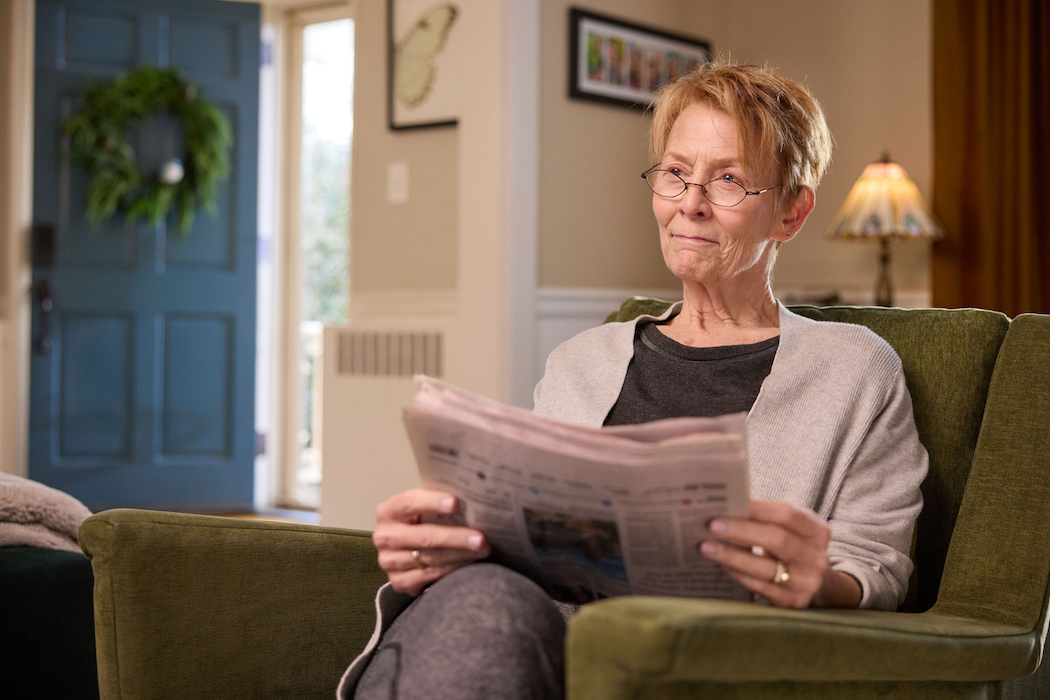
Dietary supplements for health are a major industry these days. One walk down the supplement aisle of a pharmacy or supermarket will display shelves filled with row upon row of all kinds of pills and powders all purporting to do one thing or another for your health. More than half of all older adults take dietary supplements, and for the most part these substances are not harmful, But there are still several things older adults should know and consider before taking any.
Continue ReadingAs we journey through the aging process, maintaining physical and cognitive health becomes increasingly important. With our bodies and minds changing, we must care for ourselves in order to live a happy and healthy love. Fortunately, there are many things that older adults can do to maintain their physical and cognitive health, and here are some tips for keeping the body and mind in shape as we age.
Continue ReadingPneumonia is an infection of the lungs that can cause mild to severe illness in people of any age. It is a leading cause of death worldwide in both children and older adults. Pneumonia is not caused by any one thing, but rather a whole host of different microorganisms like bacteria or viruses. It can range in severity from mild to life-threatening.
Continue ReadingStaying active is important for everyone, but it’s particularly important for seniors. Maintaining your physical health is a key aspect to maintaining independence and quality of life. Strong muscles, good balance, and stamina will help you do everyday tasks like shopping, housekeeping, gardening, enjoying time with your family, and help you to bounce back from injuries and illnesses.
Continue ReadingThe crime of elder abuse is sadly far too common. Many elders experience abuse at the hands of others, whether it's physical, financial, emotional, or sexual. Another form of abuse is neglect, which is when a person in charge of the wellbeing of a senior fails to provide for their health and safety. But there are many seniors who are in charge of their own wellbeing, and fail to meet their own needs.
Continue ReadingEven with all the modern advances in medical science, it can be useful to still take a look at the health practices of humanity throughout the ages. The environment that we all live in is a far different world than the one we evolved to function in, and our brains and bodies may not have fully caught up to the realities of everyday life.
Continue ReadingMaking health care decisions for ourselves is difficult enough. But making health care decisions for others, someone we care about, can be overwhelming. And when the decisions to be made concern the business of the end of life, it can seem near impossible. Even when advance directives are in place, such as a living will to explain your loved one’s wishes, it can’t cover every possible medical eventuality. So how can you advocate for your loved ones when they can’t make their own decisions?
Continue ReadingBeginning in the 1960s, experts began to predict that the baby boom generation would be healthier than their parents and grandparents were. The boomers jogged into trends like aerobics or health food, and also were able to benefit from advances in science and medical care.
Continue ReadingNatural disasters are, by definition, devastating. They cost lives, ruin communities, and cost large amounts of money. And for senior citizens, they can be particularly deadly. During and after a storm or other natural disaster event, many people understandably experience extreme amounts of stress and trauma. Research has shown that elevated states of both can lead to an increase in cardiovascular disease risk, which will of course be more impactful for heart disease and stroke patients.
Continue ReadingWith the world heading into the fourth year of dealing with the pandemic caused by the COVID-19 virus, it can sometimes seem like the virus is old hat, something we’re merely living with now, and an unfortunate fact of life. But the fact is the virus remains as potent and debilitating as ever, and older people are known to be more at risk of serious illnesses due to coronavirus. Those with pre-existing medical conditions and those who are immune system compromised are at a particular risk. The vast majority of older adults do not live in residential facilities, despite popular perception, and are instead cared for by their family members. Therefore, the coronavirus is especially worrisome for those who are living with their elderly loved ones in a multigenerational home.
Continue ReadingAlcohol abuse is an insidious condition that can creep up and affect all demographics and cohorts, and the aging population of seniors are certainly not immune. For men and women over the ages of 65, the National Institute on Alcohol Abuse considers just one drink per day to be moderate alcohol use. Therefore, heavy drinking is defined as having more than two drinks per day. Estimates have concluded that between 2 and 13 percent of individuals over the age of 60 are currently suffering from alcoholism.
Continue ReadingAs we age, our memory tends to become less reliable. We may forget important details, where we put things, or dates and appointments. This is a normal part of the aging process, but there are ways to help prevent or slow memory less.
Continue ReadingWhen the days become short and the air grows colder, an estimated ten million Americans suffer from what is known as seasonal affective disorder, or SAD. The reduced sunlight in winter can disrupt our internal clocks and circadian rhythm, leading to fatigue, sadness, and difficulty concentrating. For many seniors, especially ones living on their own, the winter months can bring about a lesser form of SAD, known colloquially as the winter blues.
Continue ReadingMany older Americans grew up in a time and culture when smoking was not only commonplace, it was heavily advertised to them and even encouraged, being portrayed as a habit that was glamorous and sophisticated. Pick up a stack of magazines from the 50’s or the 60’s and not only will you see many, many glossy, full page advertisements trying to entice readers into buying cigarettes with beautiful models and exotic locales, you’ll probably be quite surprised to see that many of those advertisements even feature doctors, nurses, and other health professionals lighting up cigarettes while speaking glowingly about the health benefits of whatever particular cigarette brand the ad is trying to sell to you.
Continue ReadingWe all tend to see the holidays as a fun time of year when we gather with friends, family, and other loved ones to come together and celebrate time honored traditions. We share meals, raise glasses, and enjoy each other’s company and bask in the shared warmth of good cheer and feelings. For many of us, these traditions include favorite and seasonal foods, perhaps with recipes passed down through the family over generations. After all, who doesn’t look forward to things like brined turkey, sweet potato pie, green bean casserole, and other dishes unique to our families and regions?
Continue ReadingA poll from the University of Michigan in 2022 found that over half of adults aged 50 or older have helped with at least one care task for another adult over the age of 65. Whether these tasks were health related, personal, or anything else, they all represent a significant investment of time, energy, and emotion for the person giving the care, even if they love their charge very much and have given their help freely.
Continue ReadingOf all the myriad ways available to keep your brain healthy and supple as you age, one surprising method that few of us might ever think of is video games. While video games have been maligned over the years as a source of concern for parents worrying about their children becoming lazy or mindless junkies, the truth is that a study by the University of Montreal found that subjects who played video games had more gray matter in their hippocampus after playing. The hippocampus is an important part of the brain, as it is primarily in charge of the various memory functions, such as short-term, long-term, and spatial.
Continue ReadingHome caregivers pay attention to their client’s needs and any changes in their health status, noticing when they are displaying symptoms of high or low blood pressure, and being in a position to provide for them and get them immediate medical help.
Continue ReadingWhile we often ask and also hear the question “How are you doing?”, it’s most of the time just another way to greet someone. Detailed answers to the question, ones that really go into detail about how someone is actually doing, especially in regard to their health, work, or personal life, are rarely expected or given.
Continue ReadingChronic obstructive pulmonary disease, most always shortened to COPD, affects millions of Americans, and is more common in older adults. Research has shown that approximately ten percent of Americans aged 75 or older are currently living with COPD, but the actual percentage may be much higher as many cases of COPD go undiagnosed. COPD is a progressive disease, meaning it worsens over time, and it is one for which there is currently no cure. Fortunately, there are treatments available to reduce symptoms and improve quality of life.
Continue ReadingThe sophisticated imaging technologies and data analysis techniques are helping scientists every day to refine what is known about the human brain, and expand their knowledge and understanding to better identify, treat, and prevent diseases and health conditions.
Continue ReadingOctober is Breast Cancer Awareness month, a time when advocates around the country join forces and come together to highlight and educate people about the various potential causes, symptoms, and treatment options for this insidious disease.
Continue ReadingFor those of us who are dealing with trouble sleeping, some small comfort can be found in the fact that you’re not going through it alone.
Continue ReadingAmong women, strokes are the third leading cause of death, accounting for killing 85,000 women every year in the United States. While men are statistically more likely to have a stroke, more deaths from strokes occur in women than in men. In fact, 60% of women who experience a stroke will die from it, which is a worrying statistic.
Continue ReadingDepression affects people of all ages, and while many of those who suffer from it are those in their advanced years, the fact is that depression is not a natural part of aging.
Continue Reading