News and Blog
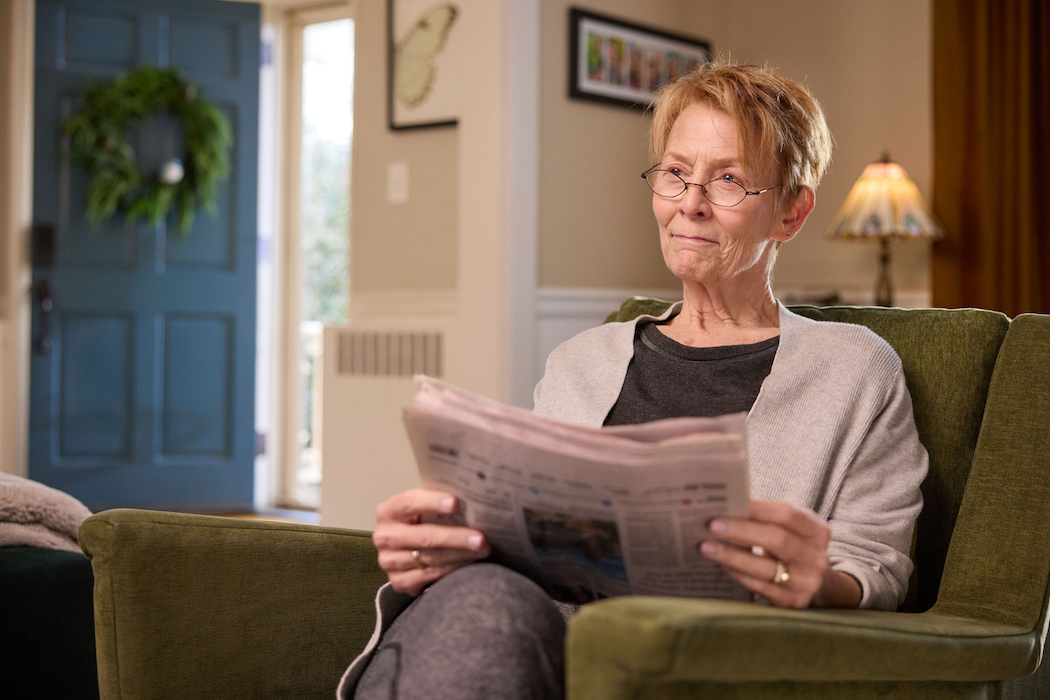
Seniors near the end of their lives can often experience different levels of mental decline. Here are four types of assisted living programs that can help to fit each senior's needs.
Continue ReadingPaying for the medical expenses of a senior family member can be challenging. Here there are several assistance programs designed to help with medical bills.
Continue ReadingIf your loved one exhibits one or more symptoms of SAD, it's important to contact their doctor. Supplementation with vitamin D increases outside time, and other interventions may make it easier to weather the challenges of seasonal depression.
Continue ReadingIn terms of emotional needs, many experience changes in their mood, and those in Northern Hemisphere can even suffer a deficiency of Vitamin D. Less sunlight means there is less Vitamin D in the body, and some believe this contributes to SAD (Seasonal Depression).
Continue Reading
SAD (Seasonal affective disorder) is a form of depression that occurs at the same time each year. Most often, SAD starts in the fall as the days begin to get shorter and continues into the winter months.
Continue Reading
In the words of John Donne, no man is an island. Every human being has a natural need to belong to a community to bond and thrive regardless of age. However, that doesn't always happen to the senior citizens in Chicago, IL. Loneliness is common, that 28% of seniors live alone, and nearly 25% are categorized as socially isolated and lonely.
Continue Reading
Illinois residents have access to a Vax Verify Portal that provides individual immunization records. For senior adults, it's a convenient way to keep track of their vaccinations. Since the Center for Disease Control (CDC) recommends seven vaccines for anyone over the age of 65, having online access to those records makes it easy to ensure they are current on the following vaccines.
Continue ReadingSummer's arrived in Evanston, Illinois, and that means heat and humidity. The combination can lead to a range of heat illnesses, beginning with heat rash and cramps and progressing to heat stress and stroke. Knowing the signs of heat illnesses can make a difference between positive and negative outcomes.
Continue ReadingFor most seniors in the Chicagoland area, safe and reliable transportation is critical to staying independent and healthy. After all, they need rides to meet their doctors, run errands, and meet family and friends. Most people who care for their senior parents are not always around to take them to these errands, especially when you also have work to do. Happily, ridesharing services such as Uber and Lyft have made getting around easier and more convenient.
Continue ReadingFaceTime is the most common way of video chatting today. It enables seniors to create a long-distance bond that helps in building a strong relationship with their grandkids.
Despite the challenges of distance and hectic schedules, seniors can find ways to interact with their grandchildren. For grandparents who wish to see their grandkids, the greatest hurdle is distance. Nevertheless, grandparents must maintain contact with their grandchildren sinceit provides them with a mental and emotional boost. To make up for time constraints, grandparents are increasingly using new technology with their grandchildren, such as video chats and FaceTime.
According to a 2019 AARP poll, 38% of American grandparents use video chat to speak with their grandchildren regularly. Here is a guide on how to FaceTime the grandkids.
Continue ReadingThe dangers of sedentary living are well-known, and exercise is now a firmly established key to keeping your body in top shape. But for people with Parkinson's disease, there are even more reasons to get moving. Exercise can help maintain flexibility, mobility, and endurance—it can also give you a sense of accomplishment, boosts your confidence, and a feeling of control over your life, especially if you depend on senior care. If you're newly diagnosed with Parkinson's disease (PD), it's natural to have questions about how exercise will affect you. Here is vital information about exercising with Parkinson's.
Continue ReadingGetting old has never been easy. You have to navigate the process of finding the appropriate healthcare resources and the best care services. Despite the challenges, the number of people over 65 years in the United States has risen to 16 % and is projected to rise to 23 percent by 2060. As people live longer, it means more specialized healthcare needs. In most cases, aging comes with various conditions as well as syndromes that call for extra attention. Thanks to the geriatric care managers who are considered health advocates for seniors and their families. They support, educate, as well as speak for their clients and participate inplanning for the future health needs of seniors.
Continue ReadingSo many people are living quite well into their middle 80s and beyond without too many physical problems. It's so easy to get caught up in the moment and forget about the future. But, now is a great time to start planning. Here are a few things to think about if you want a less stressful future.
Continue ReadingParkinson's disease is a neurological disorder that affects the brain and central nervous system. It can affect movement, speech, and other functions. The brain cells that produce dopamine, a chemical that helps control movement, die off over time in people with Parkinson's disease. This can lead to problems with movement and coordination as well as cognitive issues, such as difficulty in thinking, paying attention and memory problems. There is no cure for Parkinson's disease, but there are ways that can help improve symptoms, including regular exercise. Learn more.
Continue Reading