News and Blog
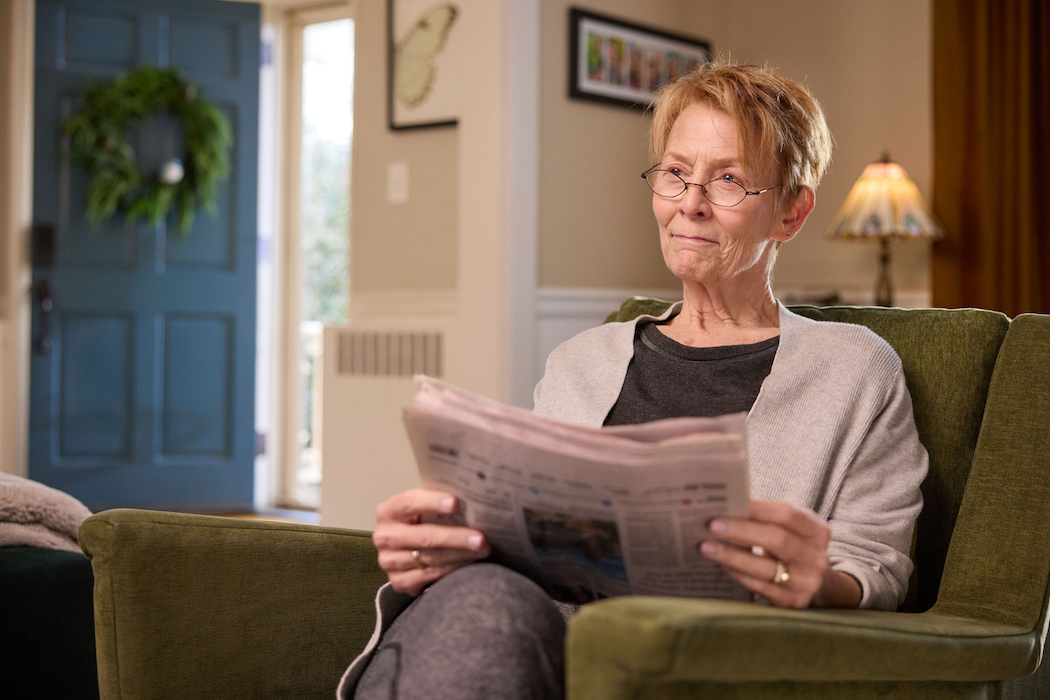
Seniors with Parkinson’s often face new relationship dynamics. Discover simple ways to stay emotionally and physically connected and keep intimacy alive.
Continue ReadingThe kitchen is the heart of the home. It's where we gather, cook and eat. However, as our bodies age, we become less flexible. This leads to a higher risk of falling, inability to reach things on the top shelf, and other difficulties. It's prevalent for seniors with dementia, Alzheimer's, or Parkinson's disease; the kitchen can feel overwhelming and confusing for them. This article will look into ways to reorganize the kitchen and make it safe for seniors.
Continue ReadingThe dangers of sedentary living are well-known, and exercise is now a firmly established key to keeping your body in top shape. But for people with Parkinson's disease, there are even more reasons to get moving. Exercise can help maintain flexibility, mobility, and endurance—it can also give you a sense of accomplishment, boosts your confidence, and a feeling of control over your life, especially if you depend on senior care. If you're newly diagnosed with Parkinson's disease (PD), it's natural to have questions about how exercise will affect you. Here is vital information about exercising with Parkinson's.
Continue ReadingIf you or a loved one need long-term care due to advanced age, stroke, Alzheimer's, Parkinson's disease or other reasons, you may be wondering if it is time to begin using your long-term care insurance policy. Standard health insurance, Medicare and Medicaid generally do not cover the costs associated with long-term care. This is because long-term care is different from medical care, in that it is often focused on assistance with daily living activities, such as bathing and hygiene, using the bathroom, mobility and general day-to-day care, and this is where your long-term care policy comes into play. Read more...
Continue ReadingParkinson's disease is a neurological disorder that affects the brain and central nervous system. It can affect movement, speech, and other functions. The brain cells that produce dopamine, a chemical that helps control movement, die off over time in people with Parkinson's disease. This can lead to problems with movement and coordination as well as cognitive issues, such as difficulty in thinking, paying attention and memory problems. There is no cure for Parkinson's disease, but there are ways that can help improve symptoms, including regular exercise. Learn more.
Continue Reading