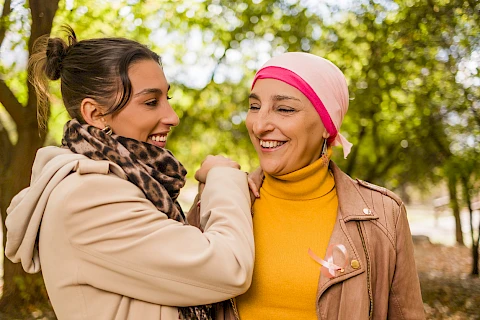
The last radiation appointment ends, someone rings a bell or hands over a certificate, and then everyone goes home. Senior Helpers has come across breast cancer survivors who describe the weeks afterward as oddly unsettled. The appointments are suddenly gone. For women in their 60s and 70s, this stretch brings its own questions about follow-up care and energy, and about where to find people who understand.
Ask for a Written Follow-Up Plan
Getting a written follow-up plan as treatment wraps up helps keep everyone on the same page:
- Request a survivorship care plan: Ask the oncology team for a summary of past treatments, ongoing medications, and upcoming visits or tests.
- Share it with primary care: Ensure her cardiologist, family doctor, and oncologist are all working from the same information.
- Bring expert resources: Print the National Cancer Institute's list of questions to ask after treatment and bring it to appointments.
- Keep a symptom log: Leave a small notebook by her chair to track new aches, sleep changes, or side effects to share with her doctor at every visit.
Fatigue, Fog, and the Slow Return of Energy
Tiredness after treatment can last for months, leading to disappointment for women hoping to recover by the holidays. Some breast cancer survivors may also struggle with concentration and memory, which can be concerning. It's important to discuss these issues with the care team.
Gentle movement, cleared by her doctor first, may help some women feel more like themselves. A short 10-minute walk or stretching in the living room while the coffee brews is also an option.
Feelings That Show Up Late
Plenty of breast cancer survivors say the emotional side hit hardest after treatment ended. During chemo, there was a plan and a schedule. Afterward, there's room for fear about recurrence, grief over body changes, or a flat, low mood that doesn't lift.
If sadness or worry lasts more than a couple of weeks, or starts getting in the way of eating, sleeping, or seeing people, she should raise it with her doctor or a licensed counselor. Many centers also have social workers on staff. In a crisis, call or text 988.
Finding People Who Have Been There
Other breast cancer survivors understand things family can't. The American Cancer Society's survivorship pages cover life after cancer and point toward support resources, including a live chat. Hospital systems around Cincinnati often run survivor groups too, so ask the nurse navigator or social worker what's offered locally.
Some women prefer something less formal, like a standing coffee with one friend who had breast cancer a decade ago, a prayer circle at church, or a walking group. The right fit is the one she'll actually go to, and she may try a few before one sticks.
Everyday Help for Breast Cancer Survivors
Senior Helpers Cincinnati supports survivors and their families with companionship, light housekeeping, meal prep, rides to appointments, and medication reminders. We serve Cincinnati, Hyde Park, Mount Lookout, Norwood, and Pleasant Ridge, and we'd be glad to discuss how we can make this season easier for you. Contact us to discuss help with daily routines and rides after breast cancer treatment.