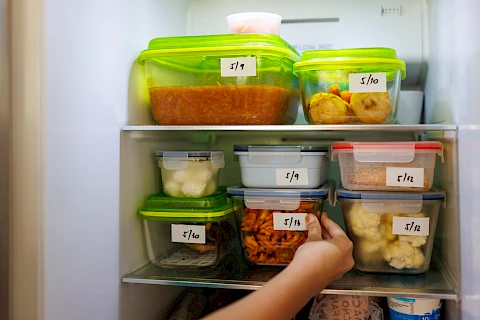
Leftovers are where most home kitchens get into trouble, and it usually starts with the best of intentions. A plate of chili sits on the counter while the phone rings, then a favorite show comes on, and then it's bedtime. By morning, the pot has been out for six hours. The good news: a few clear rules on safe food storage to keep leftovers without turning dinner into a science project.
The Two-Hour Rule Nobody Should Skip
A crucial rule of safe food storage is never leaving food out of the refrigerator for more than two hours, as bacteria multiply rapidly between 40°F and 140°F. On days over 90°F, this safe window shrinks to just one hour. Because older adults are especially vulnerable to foodborne illness, always err on the side of caution—when in doubt, throw it out. To ensure leftovers cool quickly, divide large pots of soup into shallow containers and slice whole roasts before refrigerating.
Containers That Actually Do Their Job
Proper containers are essential for safe food storage. Ensure lids seal tightly and replace any that warp. Glass containers with snap-lock rims are ideal because they resist stains and odors while letting you easily see inside. If fridge space is limited, opt for square or rectangular shapes that stack better than round ones. To cool food quickly, use wide, shallow containers around two inches deep, and always label them with the contents and date.
How Long Different Foods Really Keep
Safe food storage requires knowing exactly how long your leftovers will last. Keep these general guidelines in mind for the refrigerator:
- 3 to 4 days: Cooked poultry, beef, pork, soups, stews, rice, and pasta (ensure grains are reheated thoroughly).
- 3 to 5 days: Deli salads with mayo, provided they are kept consistently cold.
- 2 days: Cooked seafood.
For the freezer, most cooked meats and soups maintain their best quality and texture for two to three months. While they remain safe to eat beyond this window, their flavor and texture will begin to degrade.
Reheating Without Guessing
Reheat leftovers all the way through, not just warm. A food thermometer is the honest way. The target is 165°F at the center. Stir soups and stews as they reheat so the middle catches up to the edges.
Signs food should be tossed: any off smell, slimy texture on cooked meat, mold anywhere, or a container you can't remember opening. When you can't recall if it's from Monday or last Monday, that's your answer.
Safe Food Storage Makes Healthy Meals
Senior Helpers Cincinnati supports families in Cincinnati, Oakley, Norwood, and Pleasant Ridge with the practical parts of home life. This may include meal prep, safely storing leftovers, and checking the fridge before things get pushed to the back. A caregiver can also handle the reheat-and-serve at dinnertime, so a good meal doesn't get skipped. If that would help you at home, contact us and we'll see how we can get you started.