News and Blog
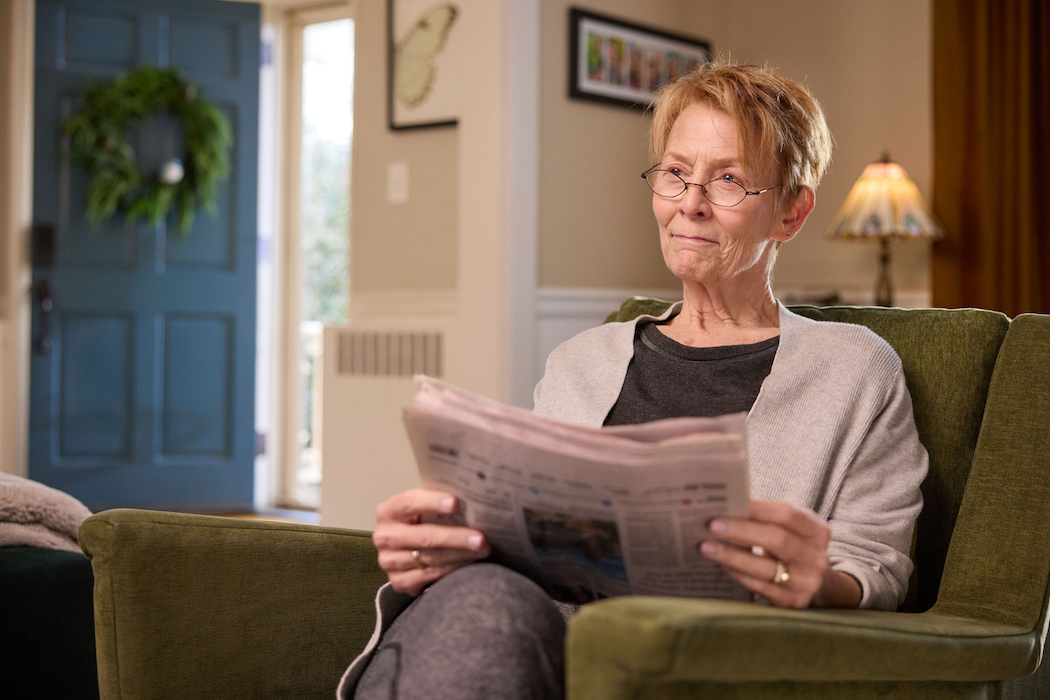
Apathy is defined as a feeling of disinterest, when you’re lacking the motivation to do anything or care about anything around you. While it can be caused by something as simple as a case of the blahs, it can also be a sign of dementia, Alzheimer’s disease, Parkinson’s disease, and other more serious mental or emotional health conditions.
Continue ReadingWhen most people think of the changes that cognitive decline like dementia or Alzheimer’s disease brings about, they tend to focus on a few measures of brain health. The reality however, is that the truth of the breadth of the changes is a lot more complicated.
Continue ReadingOlder adults who suffer from dementia or Alzheimer’s disease will often feel a compulsion to walk and wander about. Naturally, there is no real place for them to go, and most of the time they are not even aware of what direction they’re heading in. They simply feel the need to move and walk around aimlessly. This behavior is often called “wandering” by medical professionals, researchers, and caregivers.
Continue ReadingMost of us understand the definition of the word frail, and often we find ourselves using it to describe older adults we might see shuffling slowly, using a cane or walker, or suffering from vision and hearing impairments.
Continue ReadingThe most common sleep disorder at any age of life is insomnia. And while it affects people of all ages, nearly half of all adults over the age of 60 have trouble falling asleep and staying asleep. And while you might think that poor sleep is merely just an annoyance, something that can be easily remedied and countered with an occasional nap, over the counter sleep aid, or sleeping in late in the morning, the truth is that untreated insomnia can create a significant sleep debt in someone’s life, and can take a serious toll on a senior’s mental and physical health.
Continue ReadingAlzheimer’s disease is one of the most terrifying prospects of getting older, as well as one of the most heartbreaking things to see a loved one experiencing and struggling with. There is no way to predict how quickly or slowly it progresses in an individual, nor to what extent it will affect their cognitive abilities.
Continue ReadingWhile some amount of forgetfulness and mental stumbling is normal with the aging process, it should only be occasional and minor, never causing major problems or seriously interfering with a senior’s quality of life. Forgetting someone’s name, failing to recall if you locked the door or not, and losing your keys are all normal lapses of memory that happen to everyone from time to time. However, more serious lapses like forgetting the way home, being unable to remember how a telephone works, or walking into a store and then suddenly not knowing where you are all probably point to an underlying neurological problem, such as Alzheimer’s or another form of dementia.
Continue ReadingAlzheimer’s and other diseases of dementia are, naturally, a great concern for many people as they age. The idea of living on, but being unable to mentally function, or in the most tragic cases, remember who you or your loved ones are or even be able to hold a conversation is an incredibly frightening prospect.
Continue ReadingWhile some amount of forgetfulness, memory loss, and trouble thinking is normal with aging, what isn’t normal is suffering from Alzheimer's or other forms of dementia. Less than 15% of the population aged 71 or older suffers from a degenerative dementia disorder, meaning that it’s certainly not guaranteed that you’ll get it as you get older.
Continue Reading