News and Blog
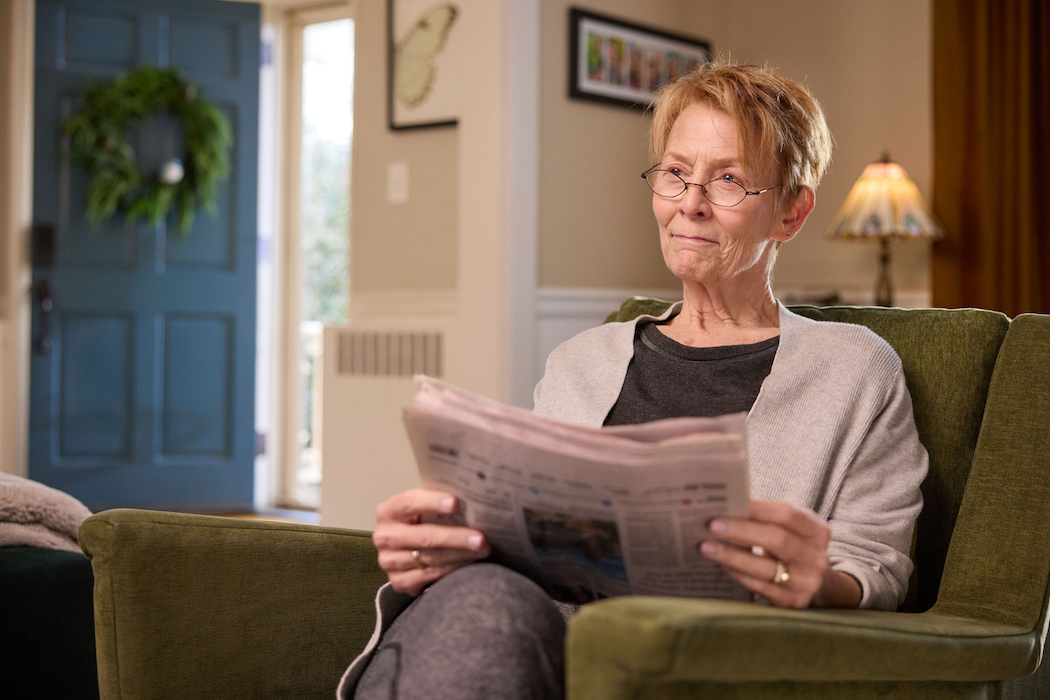
Summer is nearly upon us, and the days will begin to get warmer and longer. Many people in the United States welcome the season, looking forward to getting outside and enjoying outdoor activities and gatherings made possible by agreeable weather and long, sun drenched days, with our country’s senior citizens being no exception. However, a very large percentage of adults aged 65 and older have at least one prescription medication they take on a daily basis, if not multiple medications that need to be taken at specific times throughout the day. And unfortunately for seniors looking to stretch their legs and soak up the sunshine, many common prescription medications can complicate their fun in the sun.
Continue ReadingFor seniors aging in place at their homes, one of the most important tasks is maintaining household cleanliness, which can help protect seniors stay healthy in their homes and prevent them from falling ill. But in most every home, there are a number of objects that can pose an unknown danger and potentially have serious health effects.
Continue ReadingAccording to a 2022 report by the Alzheimer’s Association, there are 6.5 million people in the United States living with some stage of Alzheimer’s disease. Among people aged 65 and older, more than 10% of them have Alzheimer’s, or another type of dementia such as frontotemporal dementia, Lewy body dementia, vascular dementia, or one or more other types of dementia in various combinations.
Continue ReadingSummer is almost upon us all and with the warm, sunny season comes the natural and understandable desire to get outside the house and be active. Golfing, gardening, swimming, and more, there’s plenty of excuses one can take to get outside and take in some sun.
Continue ReadingMost Americans have a total sodium intake that is far in excess of what the American Heart Association recommends, which is a maximum of 2300 mg, or 2.3 grams, per day. And avoiding the salt shaker isn’t the fix you might think it is. Many packaged foods, fast food, and even sit-down restaurant foods are heavily salted. In fact, without looking at the nutrition label of everything you eat, you may be surprised to learn the saltiest foods are actually the ones you might least expect.
Continue ReadingAs the old adage goes, a mind is a terrible thing to waste. As we age, mental acuity and brain structures tend to weaken. The good news is that there are things seniors can do to preserve, or even strengthen cognitive health. By taking steps to ensure healthy cognition, you can preserve a high quality of life and a high level of independence. Taking these measures can also help with maintaining optimal brain function, enhancing several areas of mental, emotional, and physical well-being.
Continue ReadingThe immune system is an important part of our body. It helps us stay healthy by protecting us from outside invaders that can make us sick. For those of us in our twilight years, a strong immune system is especially important, to fight off bacteria and viruses that can cause a serious infection and result in a hospital trip or worse.
Continue ReadingThe outdoors aren’t called the great outdoors for no reason. Countless studies, research, as well as the sum total of human experience throughout history have all pointed to the same conclusion time and time again, which is that getting outside and taking in nature and all our world’s natural splendor has real, tangible benefits. Spending time outside can improve our mood and mental health, boost the strength of our immune system, lower blood pressure, and even shorten time spent healing after surgery or a significant injury.
Continue ReadingAs we age through our lives and enter our twilight years, one thing you’re sure to notice is the increase in tips, advice, and conversations related to health and wellness. It makes sense, after all, we all want to age with dignity and remain capable and healthy for as long as possible, and for many of us, by the time we’ve become seniors we may have developed a chronic condition, or had one catch up with us. One topic you’ve probably heard over and over is high blood pressure. High blood pressure is a concern, of course, and has all sorts of negative health outcomes if left untreated, but equally dangerous and under discussed is low blood pressure.
Continue ReadingWhen we look around, what we see is actually light stimuli reflected off everything around us, entering our eyes and being converted into usable information by the brain.
Continue ReadingUrinary tract infections, commonly shortened to UTIs, are the most common form of infection experienced by the elderly population. It is, as the name suggests, an infection of the urinary tract, most commonly the bladder.
Continue ReadingAsthma is usually thought of as a childhood disease, because that’s when many of those who suffer from it begin to develop symptoms. While most of us may know it as the condition that excused kids from running the mile in gym class, it is in fact not uncommon to acquire it later in life. According to the CDC, nearly 7% of adults aged 65 or older have asthma.
Continue ReadingWith the recent change from winter to spring, temperature fluctuations can be difficult for seniors suffering from arthritis. Researchers believe that weather changes can increase stiffness and swelling in joints. When joints ache from use, it can cause seniors to be sedentary, which is one of the worst things for continuing health and quality of life. And while there are medications that can treat arthritis, or at least lessen the symptoms, many of these have side effects that can make the tradeoff not worth it to many older adults.
Continue ReadingWhile our feet are relatively small parts of our body when compared to the rest of it, foot health is an important part of our overall health. Notably, feet are our basic form of transportation, getting us to where we need to go. Even with cars, we have to first walk to the car, use our feet to operate the pedals, and then walk to our destination once the car is parked.
Continue ReadingAlmost half of all people in the United States have some form of cardiovascular disease. And furthermore, every 40 seconds, someone suffers a heart attack or a stroke, and it is for that reason that heart disease is the number one killer of both men and women in America.
Continue ReadingWhile many of us probably already have a primary care physician, particularly as we age into our twilight years and it seems there’s no end to prescriptions and appointments. But there may come a time when you need to branch out, and see a doctor who specializes specifically in the care of older adults. Consider that when you were small, or when your children were, you took them to a pediatrician. Just as children need specialized care specific to the concerns of their bodies that differs from adults, at the other end of the spectrum, older adults are different from the younger cohort in physical, emotional, and social needs. A geriatrician can, in many cases, be the best choice for aging adults, as their health status changes and they may find their goals for care becoming more complex.
Continue ReadingAs the Winter months give way to Spring, a time of new growth and celebration, one way seniors can ring in the coming season’s warmth and bountiful plentitude is by taking up a new hobby, particularly gardening. The warmer temperatures and increased sunlight are perfect conditions for getting outside, getting in the dirt, and planting your favorite flowers or vegetables. Seeing a garden grow from seed to a panoply of brightly colored flowers, lush greens, and nutritious vegetables is one of the most satisfying projects one can undertake, and more than that, it has many benefits that are of particular interest to senior citizens. Read on to find out more about how this hobby can help you to live your best life as you enter your twilight years.
Continue ReadingFor older adults, infectious diseases account for one third of all deaths in people over the age of 65. It is for this reason that infection prevention and early detection are crucial for seniors, to reduce that risk and stay as healthy as possible. Due to the common physical changes brought about by the aging process, as well as the unique concerns of senior lifestyles, there are several infections that are most commonly seen amongst seniors.
Continue ReadingChronic pain is not a normal part of aging and can disrupt your daily activities and damage your quality of life. If you suffer chronic pain, knowing strategies to reduce your discomfort can allow you to cope with pain and keep it from being too detrimental to your life.
Continue ReadingOne of the most visible indications of age is the toll it takes on the largest organ in the human body, our skin. When we’re young, our skin is smooth, tight, and glowing. As we get older, no matter how good we take care of it, skin will lose it’s smoothness, become thinner, less elastic, less hydrated, and lines, spots, and other blemishes can appear.
Continue ReadingHeart disease is a serious condition that affects millions of people each and every year. In fact, heart disease is the number one cause of death for both men and women in the United States. For this reason, it is important to have accurate and actionable information about it, as well as shed ourselves of any potentially harmful disinformation.
Continue ReadingMaintaining a healthy lifestyle is a challenge for everyone, but when managing a life with diabetes it’s even more important to stay on top of health changes. Diabetes is the seventh leading cause of death, and it can also lead to permanent disabilities and drastic negative effects on quality of life.
Continue ReadingWhile February is American Heart Month, improving the health of your heart and taking care of the most important muscle in your body should be one of your year round goals. Heart disease is the leading cause of death in the United States for both men and women, tragically costing the lives of around 700,000 people in the year 2020. While it is true that your genetics is one dimension in determining your risk of heart disease, there are many more lifestyle factors that have an impact, such as obesity, diet, physical inactivity, cigarette smoking, excessive alcohol use, and more.
Continue ReadingCoronary artery disease is the leading cause of death for both men and women in the United States, costing the lives of over half a million Americans each year. Coronary artery disease is a condition where plaque builds up in the coronary arteries that are responsible for supplying your heart muscle with oxygenated blood. Research has suggested the disease begins with certain factors damaging the inner layers of your coronary arteries.
Continue ReadingResearch has identified actions and steps we can take to maintain our health and function as we age into our twilight years. Improving our diet, increasing levels of physical activity, getting health screenings, and managing risk factors for diseases can influence all our different areas of health.
Continue Reading