News and Blog
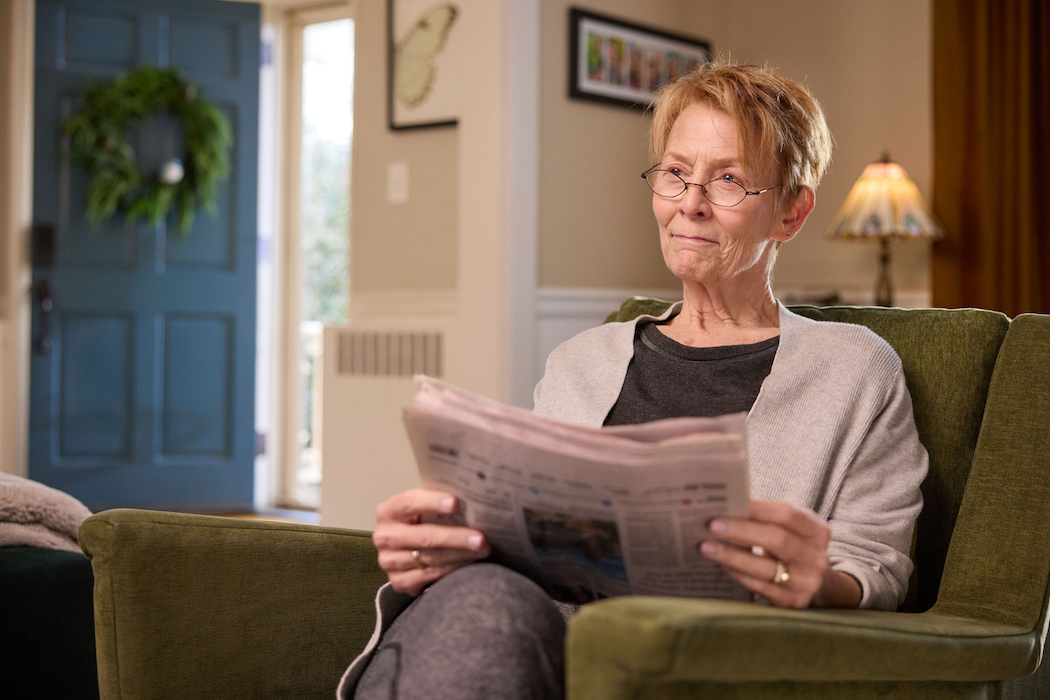
Alzheimer’s disease is one of the most common types of dementia, and it now affects more than seven million Americans today. While it is most prevalent in people aged 65 or older, it can sometimes also strike people in their 30s and 40s.
Continue ReadingElevate Alzheimer's care with music therapy. Explore the benefits for seniors and how it can improve their cognitive functions and emotional health.
Continue ReadingExplore the connection between dementia and UTIs in Mesa, AZ. Learn how urinary tract infections can affect older adults with dementia and discover ways to manage these challenges.
Continue ReadingApathy is defined as a feeling of disinterest, lacking the motivation to do anything or to care about anything around you. It can be a sign of dementia, Alzheimer’s disease, Parkinson’s disease, and some mental health conditions.
Continue ReadingAlthough there are many different causes and types of dementia, one thing they all have in common is that they get worse over time. Advanced dementia refers to the final stage of the disease. For everyone, this final stage comes at a different time.
Continue ReadingAccording to Alzheimer’s Disease International, someone in the world develops dementia approximately every three seconds. By the year 2030, there will be an estimated 78 million people in the world living with dementia, with that number expected to double every twenty years thereafter. With statistics like that, you may find yourself wondering what steps you can take to increase your odds of living a long life of good cognitive health.
Continue ReadingIf you are the caregiver for an older adult with dementia, one issue you may have is difficulty in getting them to sleep. While it isn’t always easy to pinpoint the cause of insomnia in seniors with dementia, it can be exhausting to both the caregiver and the senior in question.
Continue ReadingIf a senior family member or other loved one has cognitive impairment or some form of dementia such as Alzheimer’s, you may have noticed them acting differently in the late afternoon or early evening hours. Sundowning, which is also known as sundowners or sundown syndrome, is a term that refers to a group of behaviors, thoughts, and feelings that people with cognitive impairments or dementia can often experience in the late afternoon or evening as the sun sets, but it can occur at other times as well. Sundowning can affect a person’s thinking, memory, personality, ability to reason, and their mood.
Continue ReadingThe holidays are often filled with high expectations, necessitating a lot of energy and engagement to stand up to the onslaught of non-stop activities and functions. But for seniors living with Alzheimer’s disease or related dementias, holidays can be a challenging time filled with high anxiety and stress. Festivities can often confuse, agitate, and overstimulate people living with Alzheimer’s disease and other dementias. And for caregivers, the increased difficulty can add to their existing burden of stress and anxiety.
Continue ReadingDementia impacts the lives of an estimated 50 million people worldwide. According to the World Health Organization, another 10 million cases are diagnosed each year. Of those living with dementia, Alzheimer’s is by far the most common type, making up nearly 80% of cases. In the United States alone, almost 6 million people have Alzheimer’s. As the population continues to age, researchers believe this number will climb higher.
Continue ReadingVascular dementia is a general term describing problems with reasoning, planning, judgment, memory, and other thought processes, caused by brain damage from impaired blood flow to the brain. You can develop vascular dementia after a stroke blocks an artery to your brain, but strokes don’t always cause vascular dementia. It can also result from other conditions that damage blood vessels and reduce circulation, depriving your brain of vital oxygen and nutrients.
Continue ReadingIn television and movies, the portrayal of dementia has long been fairly stereotypical. The scene is usually an elderly woman, usually in a nightgown in the middle of the evening, wandering around outside of the home. She will appear lost and distracted, and be unable to recognize her own children when they find her and want to bring her to safety, and may even resist them stubbornly or aggressively.
Continue ReadingMore than 5 million people in the United States are living with a diagnosis of dementia. Globally, it is the seventh leading cause of death among all diseases according to the World Health Organization. Societal costs of dementia are estimated at $605 billion per year, and as the population gets older overall, the number of people with dementia is only expected to increase, with estimates of over 7 million Americans living with dementia by 2025, and over 15 million by 2050.
Continue ReadingDementia is a collection of symptoms that can occur due to a variety of diseases. They include impairments in thought, communication, and memory. Currently, there is no cure for the symptoms or the diseases that cause them, and the best way to combat it is to adopt a healthy lifestyle and hopefully prevent it. For care providers and family members of the elderly, it is important to be aware of the early signs of dementia.
Continue ReadingMany people put exercise at the top of their list of new year’s resolutions, and for good reason. Improving health is something that will positively affect all areas of life. Numerous studies have established that regular physical activity is good for our bodily, mental, and emotional health. Moving more is a top recommendation to prevent chronic conditions and diseases like Alzheimer’s or congestive heart failure.
Continue ReadingFor care providers as well as the family members and loved ones of the elderly, it is important to recognize the warning signs of dementia and how to distinguish them from normal changes brought on by the aging process. Dementia is a collection of symptoms that occur due to a variety of diseases. The symptoms include impairment in thought, communication, and memory. There is, unfortunately at the time of this writing, no cure for the disease. The best way we know to combat it is adopting a healthy lifestyle to hopefully prevent it or slow the progression of symptoms.
Continue ReadingFor elderly people suffering from Alzheimer's, the winter season presents several additional health issues. Here's how SAD can potentially worsen the symptoms of those suffering from Alzheimer's disease.
Continue Reading
It is natural to worry about the health of yourself or your loved ones as they age through their twilight years. Aging increases the risk of many debilitating conditions, such as heart disease, type 2 diabetes, arthritis, cancer, dementia, and more. The good news is that none of these are foregone conclusions. By adopting and maintaining a few key good behaviors, you can decrease the risks of developing them, and increase the chances of living a longer, healthier life. It’s important to encourage and cultivate healthy lifestyle changes, and it’s never too late to start.
Continue ReadingForgetting things is sometimes an everyday part of life. It’s the reason to-do lists, reminder apps, and tying a string around your finger all exist. As people age, it’s possible they may experience more frequent episodes of memory loss, and this is often a normal part of aging. So how can older adults tell if what they are experiencing is normal aging symptoms, or signs of something worse, like Alzheimer’s disease or another form of dementia?
Continue ReadingWhen most people think of the changes that cognitive decline like dementia or Alzheimer’s disease brings about, they tend to focus on a few measures of brain health. The reality however, is that the truth of the breadth of the changes is a lot more complicated.
Continue ReadingAccording to a 2022 report by the Alzheimer’s Association, there are 6.5 million people in the United States living with some stage of Alzheimer’s disease. Among people aged 65 and older, more than 10% of them have Alzheimer’s, or another type of dementia such as frontotemporal dementia, Lewy body dementia, vascular dementia, or one or more other types of dementia in various combinations.
Continue ReadingA diagnosis of dementia of any type, including Alzheimer’s, will trigger a cascade of emotions in people. Many with Alzheimer's or dementia, especially when in the early stages while they’re still lucid and in control of themselves, will fear the stigma of the disease and feel confusion and uncertainty over how to maintain their lives.
Continue ReadingAny one of us can easily lose track of time, forget the date, not know what specific day of the week it is, or even find ourselves unsure of exactly where we are. When we go about our lives and find ourselves getting lost in the daily business of existence, it is normal to find ourselves a little disoriented here and there.
Continue ReadingWhen we look around, what we see is actually light stimuli reflected off everything around us, entering our eyes and being converted into usable information by the brain.
Continue ReadingMany people worry about losing mental faculties as they get older, and perhaps think there’s nothing they can do to prevent the inevitable development of dementia or Alzheimer's disease. It’s no wonder, our minds are, quite literally, who we are, and the idea of either forgetting huge parts of our lives, or becoming unable to form new memories are frightening prospects. But many of the preconceptions people have about older brains aren’t necessarily true, and there’s a whole litany of myths out there that can cause undue stress and mental anguish to people as they age. Read on to hear some of these common beliefs, and the reality that refutes them.
Continue Reading