News and Blog
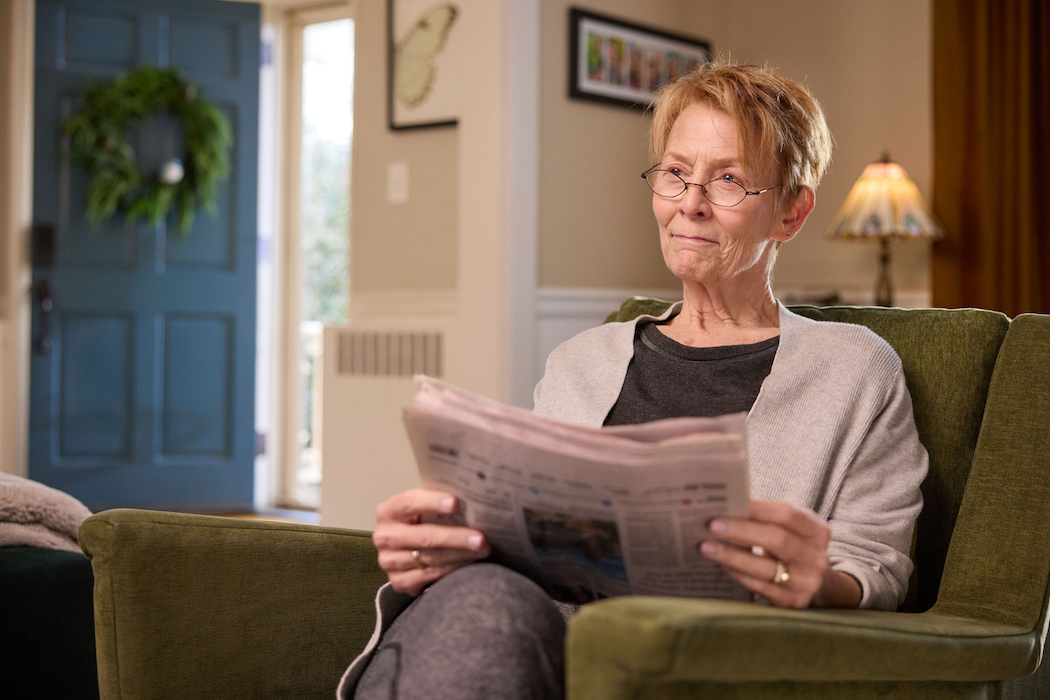
Strokes are the fifth largest killer of Americans today, with sadly over 800,000 Americans experiencing a stroke annually. While the statistics are unnerving, there are plenty of ways to make lifestyle changes that reduce your risk of stroke, possibly preventing one altogether.
Continue ReadingOctober is breast cancer awareness month, so there’s no better time to educate yourself about the risks and challenges the disease can pose. Like most cancers, breast cancer is a disease of aging, making it of particular interest to adults entering their twilight years. The median age of a breast cancer diagnosis is 62 years old, with 20 percent of women who are diagnosed with it age 75 or older.
Continue ReadingSeniors alive today have been witness to one of the most exciting eras of rapid technological advancement and invention in all of human history. And with seniors today living longer than previous generations, along with having far more leisure time to spend with friends, family, on hobbies or traveling to new destinations, it’s a good time to be older. But aging comes with many challenges and difficulties as well. While some amount of physical and mental decline is inevitable, leading to a loss of spring in our step, our twilight years can be just as, if not even more, enjoyable than our younger days.
Continue ReadingMany seniors find that as they age, they don’t experience hunger the way they used to, leading to loss of weight and poor nutrition. Since our bodies run on what we feed them, it’s important to ensure we get all of the calories, vitamins, and nutrients we need to stay healthy.
Continue ReadingAmong the other effects of aging, the immune system weakens. Since the immune system is responsible for fighting off diseases and infections, it's not difficult to understand why this can be a problem for older adults. In addition to the risks that a sickness or an infection can pose, many seniors have chronic health conditions or are taking medications that can make the outcome of one even worse. Whether a senior is living at home, in a community, or with extended family, there are many steps older adults can take to shield themselves from the effects of an infection or a disease.
Continue ReadingFor older adults, loss of independence and control over their lives is a frightening prospect. In fact, many problems sadly common among seniors are a result of being too proud to ask for help for worry that they’ll be put into a home, and something that could have been easily corrected or prevented while it was minor, becomes something much more serious or dangerous. But there’s a way for older adults to retain their independence into their twilight years, while still receiving the help they need and staying safe. And that is through home health care services.
Continue ReadingFor seniors, continued social activity is critical to wellness. The National Institute on Aging has found a correlation between seniors’ overall health and the amount of social engagement. Emotional bonds lead to many positive health outcomes, such as healthier habits, positive mental health, and mental stimulation.
Continue ReadingFall is an exciting season for many people. The cooler weather, the changing of the leaves, and more, give people plenty of things to look forward to from the equinox to the winter solstice. Among everything else, fall is the harvest season first and foremost. And while pumpkin and other squashes are the star of the show, there’s many more fruits and vegetables in season to choose from, and some of them have considerable health benefits of interest to seniors. Read on to find out what you should be filling your grocery basket with, and what they can do for your body!
Continue ReadingTV shows like The Golden Girls or Netflix’s hit Grace and Frankie make an appealing case for older, unrelated adults living their twilight years together under one roof. With a number of mental, physical, and financial benefits to such a practice, it’s no wonder that many older adults are choosing to age in place together, as roommates.
Continue ReadingAccording to the CDC, most of the five million people treated each year for skin cancer are 65 years of age or older. Because less than half of older adults protect their skin adequately from the sun when outside for an hour or more, seniors can needlessly put themselves at a higher risk of developing melanoma, or other harmful skin cancers. And with adults living longer than ever, practicing life-long skin care habits is more important than ever.
Continue Reading