News and Blog
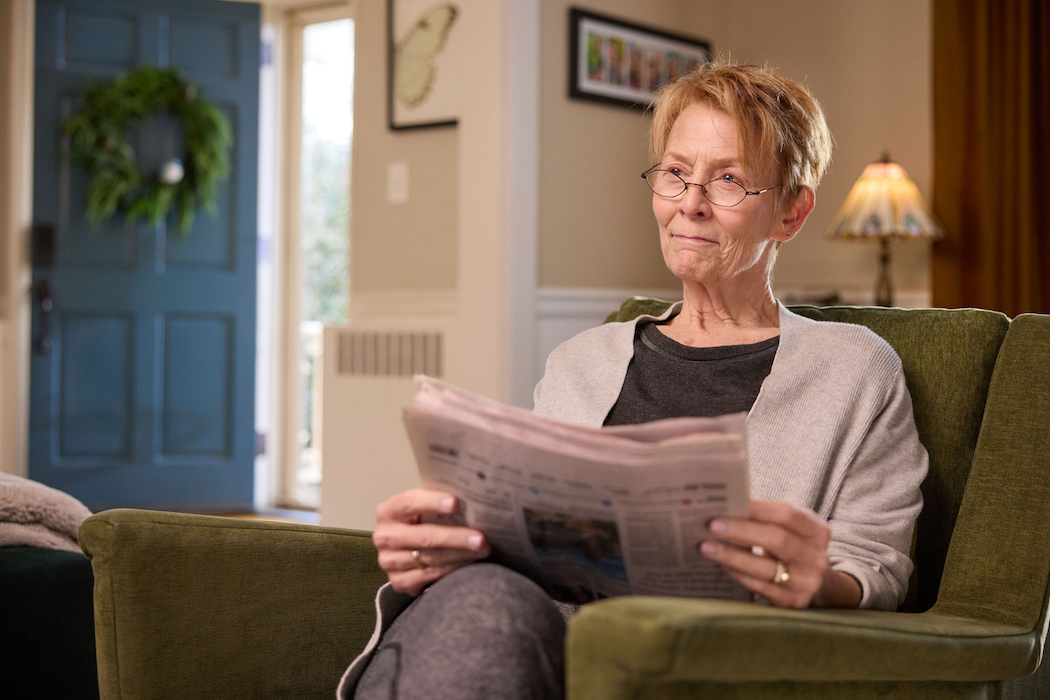
In the United States of America, over 53 million people are caregivers for either an adult or children with chronic health conditions or disabilities. This figure accounts for one in five Americans, and will only continue to grow as the population of the country ages, and more numbers of older adults will require at least some assistance to maintain their quality of life.
Continue ReadingWhen you or a loved one are faced with a diagnosis of a serious illness, choosing the type of care that would be best can feel confusing and overwhelming. But by understanding the options and planning for when an illness progresses, you can make sure to prioritize the health goals that matter most and maximize your quality of life.
Continue ReadingExplore what Advanced Directives are and why they matter. Navigate the complexities of end-of-life care effectively and begin the journey toward peace of mind and self-determination, ensuring that the closing chapter of your life is according to your preferences.
It is of course difficult to make healthcare decisions for ourselves, especially when it comes to planning on what to do as we begin to wind down and approach the great unknown. But some of us are tasked with making those decisions for the people we care about, when they are for whatever reason unable to do it on their own behalf. Even if your loved one sorted out their advance care planning beforehand, it is likely that it will not cover all possible medical treatments and options. So how can you best advocate for those you care about when they cannot do it for themselves?
Continue ReadingMaking health care decisions for ourselves is difficult enough. But making health care decisions for others, someone we care about, can be overwhelming. And when the decisions to be made concern the business of the end of life, it can seem near impossible. Even when advance directives are in place, such as a living will to explain your loved one’s wishes, it can’t cover every possible medical eventuality. So how can you advocate for your loved ones when they can’t make their own decisions?
Continue Reading