News and Blog
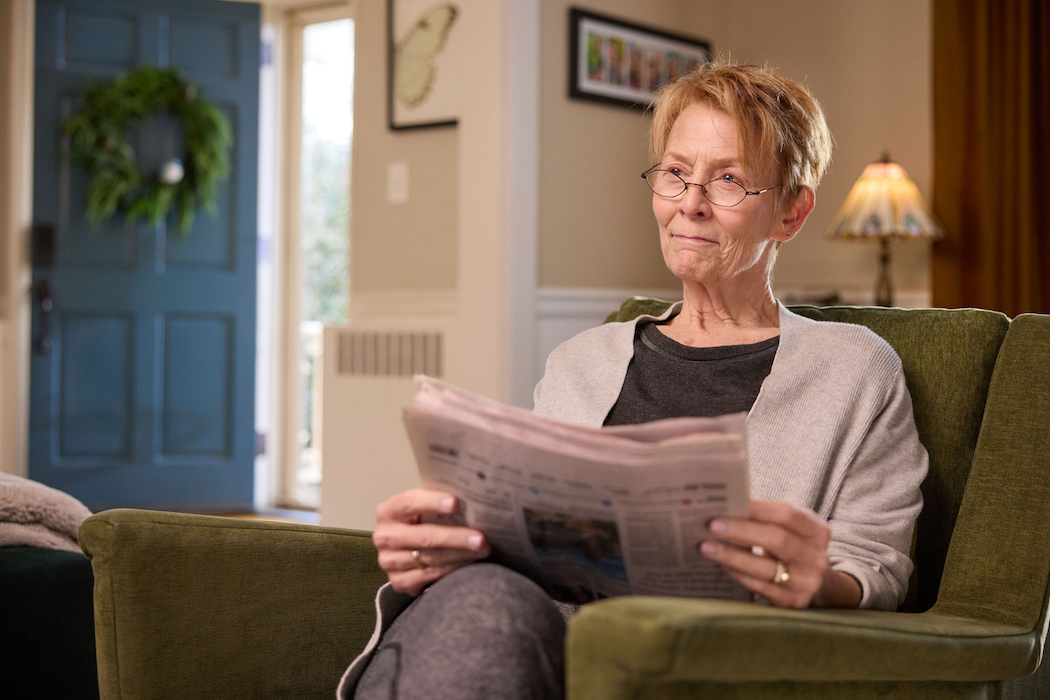
For many seniors, the colder seasons are challenging. Here are 4 ways to stop shorter days from impacting quality of life in fall and winter.
Continue ReadingBeing grateful is one of the best ways to live a happier life. Here are 6 mental and emotional benefits of demonstrating gratitude.
Continue ReadingSenior dogs have unique and specific needs. As they approach their golden years, different care requirements may become necessary. Senior citizens and their caregivers are smart to be prepared so they can make sure their aging dog is living the best life possible. Knowing what changes to expect is a good way to start.
Continue ReadingHow often should seniors get their eyes checked? Here are a few tips from Senior Helpers Charleston for maintaining senior eye health.
Continue ReadingSenior Helpers Charleston employs Certified Nursing Assistants (CNA) to provide in-home healthcare for elderly patients. But what does this actually mean? What does a CNA do?
Continue ReadingImagine a world without cognitive decline. At Senior Helpers Charleston, we would love to see a cure for Alzheimer's and Dementia.
Continue ReadingCharleston’s Healthiest Restaurants and Grocery Stores
Continue Reading