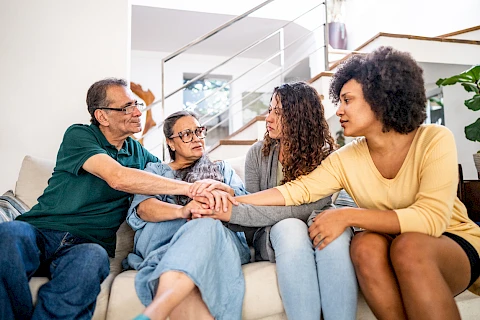
Sunday dinner in many West Oahu homes runs long, with rice in the cooker and cousins coming in late, and nobody wants to spoil it with hard topics. Kupuna who talk with their ohana early about memory, money, and care have more say in what happens next. Planning for memory changes gives you a chance to make your wishes known while you can explain them in your own words. Senior Helpers can help families keep familiar routines in place as those needs and decisions begin to change.
Choose the Setting and the Listeners
Some families talk story best on the beach at Ewa Beach after a picnic, while others need a quiet table at home with the television off. Pick the place where you feel most relaxed. If that means waiting a few weeks until everyone is home at once, wait.
Decide who should hear it first. You might start with the one child who lives with you in Waipahu, then widen the circle to grandchildren and siblings on the mainland by video call. Hearing your plans from you directly keeps relatives from filling in the blanks with their own ideas, which tends to happen fast when someone in the family is worried and nobody has said anything out loud yet.
Name Your Decision Makers
The roles don't all have to go to one person. Think about who knows your values. Then think about who stays calm in a hospital waiting room. The one who's good with paperwork might be someone else entirely, and splitting it up means nobody carries the whole load.
For people living with a diagnosis, the Alzheimer's Association has information that includes tips for daily life and for sharing the news with family. Hawaii has its own advance health care directive form. An attorney who works with older adults can explain them. This article isn't legal or financial advice.
Where Things Are Kept
Put the basics in one folder. Insurance cards, property papers for the house in Kapolei or the family land in Waianae, bank contacts, and any instructions for a family business all go in. Tell one or two trusted people where it lives.
Passwords get overlooked until a relative needs to pay the electric bill or check whether a pension deposit arrived and finds every account locked behind a login nobody knows. Write down how to get into them.
What Daily Life Should Look Like
Your wishes about everyday life count as much as the legal pieces. Maybe it's fishing at Haleiwa with old friends. Tell your family whether you'd want help coming into your home in Wahiawa, or whether moving in with a daughter in Waialua sounds better, and then write it down on a page they can find.
Include the small things that make a day feel right, like the radio station you play in the morning and the language you're most comfortable speaking. Planning for memory changes should include these everyday preferences, not just paperwork and medical decisions. If the family wants something to read together, the National Institute on Aging offers plain-language information on Alzheimer's and related dementias. If you notice memory changes, see your doctor and bring someone along.
Care at Home Across the Leeward Side and North Shore
A page of written wishes gives everyone something to follow later. Planning for memory changes also helps families think ahead about what kind of support would feel acceptable if everyday routines become harder.
Senior Helpers West Oahu offers companionship, support with everyday routines, transportation, and our Senior Gems program for people living with memory changes, all shaped around your wishes. Our caregivers travel across Kapolei, Ewa Beach, Haleiwa, Wahiawa, and Waialua, from the leeward coast up to the North Shore. Contact us and we'll walk you through what's available.