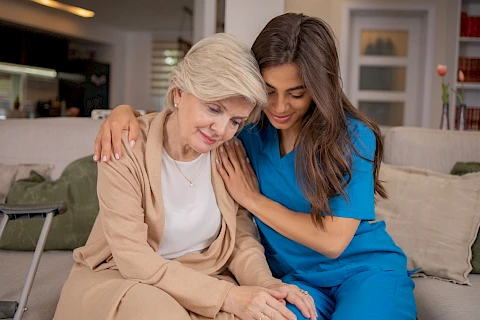
Life in West Oahu carries a quiet beauty, the open fields near Waipahu, the shoreline at Ewa Beach, the steadier pace that comes with having lived long and well. But beauty doesn't make a person immune to depression. And for seniors, depression often arrives quietly: tiredness, or withdrawal, or just "getting older." May is Mental Health Awareness Month, a good time to understand what depression actually feels like in older adults, because it doesn't always look the way people expect.
How Depression Can Look Different in Older Adults
In younger people, depression often shows up as persistent sadness or tearfulness. In older adults, the picture is frequently different. A senior living with depression might not report feeling sad at all. Instead, they describe feeling "empty," flat, or simply uninterested in things they used to enjoy. A person who loved their morning walk or their weekly card game may simply stop going, without being able to explain why.
Physical symptoms are common too: fatigue that doesn't improve with rest, changes in appetite, difficulty concentrating, or unexplained aches and pains. Sleep disturbances are also frequent, either sleeping too much or lying awake for long stretches. These symptoms are easy to attribute to aging itself, which is one reason depression in older adults is so often missed or dismissed.
Depression is not a normal part of growing older. Depression is a medical condition, not an inevitable feature of aging, and it responds well to treatment.
Why Seniors May Not Ask for Help
The fear of being a burden to family or of losing independence if they admit to struggling keeps many seniors quiet longer than is good for them.
In communities where tight-knit family networks are a source of strength, it can still be hard to admit something is wrong. If you notice a parent becoming more withdrawn, losing weight, or saying things like "what's the point," those are moments to check in gently.
How to Show Support
Start with a conversation. Ask open, caring questions rather than problem-solving right away. "You seem like you've been having a hard time lately. Can you tell me more about how you're feeling?" goes further than offering a list of solutions before the person feels heard.
Encourage a visit to the primary care doctor. Depression can be screened for in a regular appointment, and treatment often includes a combination of therapy, lifestyle support, and, when appropriate, medication. Many seniors respond well to treatment and return to a much better quality of life.
In-person and telehealth counseling services have expanded in recent years, making access easier than before. The Substance Abuse and Mental Health Services Administration helpline is available around the clock for anyone in need of support or a referral.
Senior Helpers Cares
Senior Helpers West Oahu works alongside families in Kapolei, Ewa Beach, Waipahu, Haleiwa, and Waialua to provide personalized in-home care that goes beyond daily tasks. Our caregivers build real relationships and notice when something seems off. Learn how we can support your senior loved one's emotional and physical well-being. Contact us today.