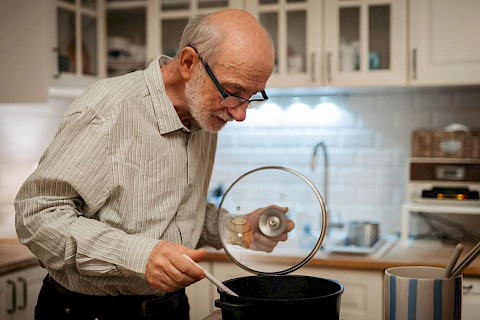
Even on Oahu, September starts to shift. The tradewinds pick up, evenings mellow out, and dinner feels like something you'd rather come home to than stand over. That's exactly where a slow cooker earns its keep. For older adults, a warm meal ready at six with almost no active kitchen time is close to ideal. Just as important, it's safer than fussing over a hot stove for an hour.
Why Slow Cookers Fit Everyday Senior Life
The appeal is practical. You add ingredients in the morning, set the timer, and walk away. Six or eight hours later, dinner is ready without anyone standing at a burner. For someone with balance concerns or shoulder pain, cutting down on active cooking time can make meal preparation feel more manageable.
A slow cooker still needs to be treated like a hot appliance. Bumping into one isn't the same story as bumping into a stovetop pan, and there's no open flame anywhere. The sides, lid, and steam can become hot enough to burn, so keep it on a stable surface and use handles or oven mitts when needed. Fires from unattended cooking are a leading cause of home injury for older adults, per the U.S. Fire Administration, so any tool that reduces stovetop time is worth considering.
Nutritionally, slow cooking preserves more moisture and lets tougher, cheaper cuts of meat break down into tender meals. Beans, lentils, chicken thighs, and stew beef all shine in this format.
Three Easy Meals to Start With
If you're new to slow cooking or coming back to it, keep it simple for the first month.
Shoyu chicken. Add six boneless chicken thighs, half a cup of shoyu, a quarter cup of brown sugar, a couple of smashed garlic cloves, and a splash of rice vinegar. Cook on low for six hours. Serve over rice with steamed broccoli. That's the whole recipe.
White bean and vegetable soup. Rinse a can of white beans, add to the cooker with a diced onion, two chopped carrots, a chopped celery stalk, four cups of chicken broth, and a bay leaf. Six hours on low. Stir in a handful of spinach at the end.
Pulled pork. A three-pound pork shoulder, rubbed with salt and pepper, in the cooker with a cup of apple juice or broth. Eight hours on low. Shred with two forks. Serve on rolls with slaw. Freezes well.
Safe Habits Around the Slow Cooker
A few good habits go a long way. Always thaw meat before adding it; frozen meat sits in the danger zone too long before it heats through. Fill the pot at least half full but no more than two-thirds, which keeps cooking even and safe.
Place the slow cooker on a heat-safe surface, away from the edge of the counter, with the cord tucked so it can't be grabbed accidentally. If you have small grandchildren visiting, that matters even more.
Don't lift the lid to peek during cooking. Every peek adds about twenty minutes to the cook time because heat escapes fast.
Refrigerate leftovers within two hours of finishing. Slow cookers keep food warm, but the pot itself isn't safe for long-term storage. Move leftovers to shallow containers, cool, and refrigerate.
Simpler Fall Dinners Across the Leeward Coast
A slow cooker becomes the quiet workhorse of the kitchen once you get past the first week. Freezer-friendly, easy on the wallet, and a practical way to spend less time hovering over the stove. Rotate three or four favorite recipes, and weeknight dinner starts requiring a lot less thought.
Senior Helpers West Oahu supports older adults and families across Kapolei, Ewa Beach, Waipahu, Haleiwa, Waianae, Wahiawa, and Waialua with in-home care, meal preparation, and daily support that keeps seniors comfortable and independent at home. If you'd like help getting a meal routine going this fall, please contact us, and we'll figure out what would work best.