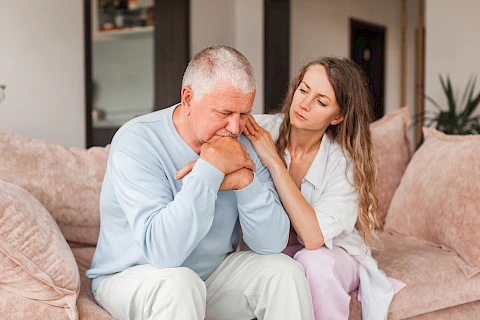
Sitting alone on the sand at Ewa Beach while the sun sets over the water can be a peaceful way to end the day. So can an afternoon in the garden. The difference between solitude and loneliness often comes down to how that time alone feels. One may leave you rested and content, while the other can leave you wishing for more connection. Senior Helpers offers companionship and in-home support for older adults who want a little more company in their week without giving up the quiet time they enjoy.
How Each One Feels From the Inside
The easiest clue is what happens afterward. Good solitude leaves you settled, and you might feel a little more like yourself, ready to rejoin the family for dinner or call a friend to talk story.
Loneliness leaves a different residue. People describe it as an ache, a heaviness, or a restless feeling that something is missing, and some notice they're snacking more, sleeping badly, or leaving the TV on all day just for the sound of voices. It can show up anywhere, even at a crowded family party in Waipahu, where a person can feel completely alone if nobody really talks with them.
That distinction between solitude and loneliness matters because being physically alone does not automatically mean someone feels lonely. A person may enjoy hours on their own and still feel well connected to family, friends, and the community.
Signs Solitude Has Tipped Into Loneliness
Time alone that once felt peaceful can slowly change character over months. Often the shift follows a loss, a health scare, or a friend moving away to be near family. Watch for these shifts in yourself:
- Time alone no longer feels like a choice.
- You regularly wish you had more contact with other people.
- You begin pulling away from friends or activities you usually enjoy.
- Changes in mobility or transportation make it harder to see others.
- You feel disconnected even when family or friends are around.
One or two of these during a hard week don't mean much. Several, week after week, deserve your attention.
The CDC's page on social connection explains why feeling connected to others matters for health, and reading it can help you think about where you stand.
Solitude and Loneliness: Moving Toward More Connection
Island life offers plenty of low-pressure ways to be around people without committing to much. A morning walk with a neighbor counts, and so does a church potluck or a hula or ukulele class at a Kapolei community center. Some people prefer to volunteer at a food drive in Wahiawa, where there's always a job for extra hands.
Reconnecting with ohana helps, too. A regular phone call with a family member, sharing a meal, or doing an activity together can add meaningful contact to the week without requiring a packed social calendar.
The Eldercare Locator can connect you with local aging services on Oahu. Ask whether any programs pair older adults with regular callers or visitors.
If loneliness comes with persistent sadness, hopelessness, or other changes that concern you, talk with a healthcare provider. If you are in emotional distress or crisis, call or text 988 for free, confidential support available 24/7.
Nobody needs to fill every hour. Aim for a week where time alone feels like a choice you're glad to make, with enough connection around it that the empty afternoons stay restful.
Companionship Across West Oahu
Senior Helpers West Oahu caregivers provide friendly companionship, rides to activities and appointments, help around the house, and reminders about the plans that keep a week full. We respect the time alone you treasure and show up for the moments you want to share. We proudly serve Kapolei, Ewa Beach, Waipahu, Haleiwa, and Waialua. Contact us to find friendly support that respects both alone time and shared moments.