News and Blog
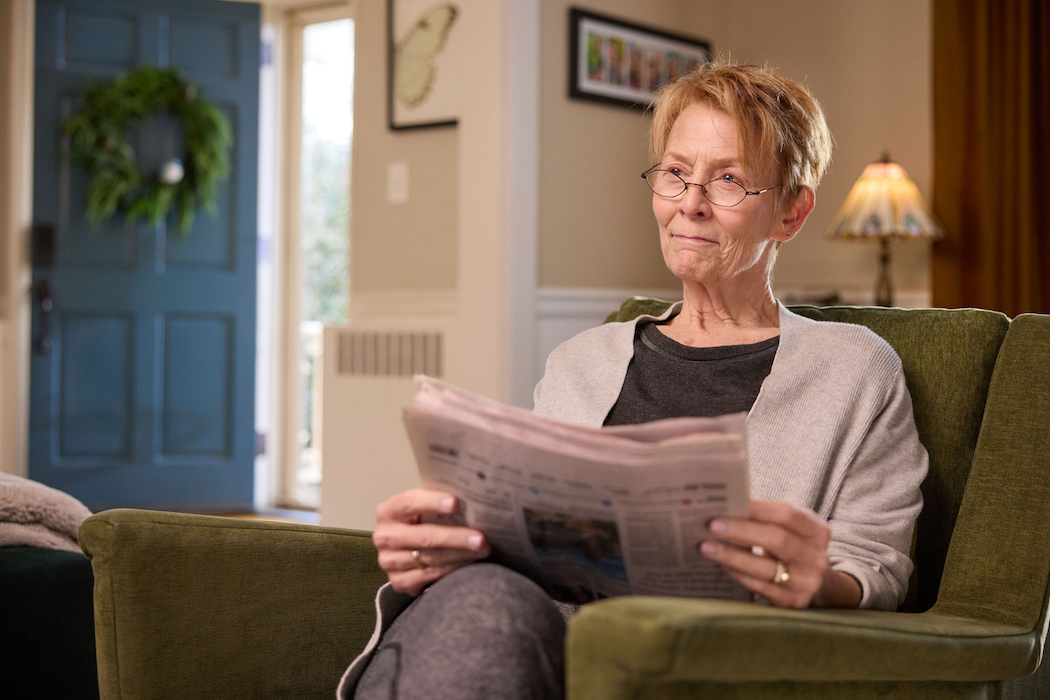
Constipation is something that almost everyone experiences at some point in their life. While it can sometimes be a cause of embarrassment or frustration, usually it’s nothing serious. Older adults are more likely than younger people to become constipated, and because of the sensitivity of the subject, learning how to manage and overcome it is sometimes unknown.
Continue ReadingMaintaining a healthy lifestyle is a challenge for everyone, but when managing a life with diabetes it’s even more important to stay on top of health changes. Diabetes is the seventh leading cause of death, and it can also lead to permanent disabilities and drastic negative effects on quality of life.
Continue ReadingPre-diabetes is, as the name suggests, the early stage leading up to the full blown disease of diabetes. To be pre-diabetic, it means you have blood glucose levels that are higher than normal, but not high enough to qualify as diabetes. Glucose is a form of sugar that our bodies utilize to make energy. Too much glucose in your blood can, over time, damage your body. Pre-diabetes is also known as impaired fasting glucose or impaired glucose tolerance.
Continue ReadingBronchitis is the name for a condition where the bronchial tubes, which are the tubes that carry air to your lungs, become inflamed and produce mucus. One of the primary symptoms of bronchitis is a cough that produces mucus. Other symptoms can also include wheezing, a whistling or squeaking sound when breathing, chest pain or discomfort, a low fever, and shortness of breath. Bronchitis comes in two main forms. Acute, which is short term, and chronic, which is ongoing. Both types cause your airways to constrict and cause coughing, both of which make it difficult to breathe and get adequate oxygen.
Continue ReadingAnemia, defined simply, is when the number of red cells in someone’s blood, or the amount of hemoglobin in their red cells, is lower than it should be. It can occur for a number of reasons, such as loss of blood, insufficient or faulty production of red blood cells, or the loss and destruction of red cells. The condition is easily diagnosed with a simple blood test.
Continue ReadingCoronary artery disease is the leading cause of death for both men and women in the United States, costing the lives of over half a million Americans each year. Coronary artery disease is a condition where plaque builds up in the coronary arteries that are responsible for supplying your heart muscle with oxygenated blood. Research has suggested the disease begins with certain factors damaging the inner layers of your coronary arteries.
Continue ReadingNo matter what age you are, the health of your mouth is a critical piece of your overall health. With a healthy mouth, you will have no problem eating the foods that you love and need for proper nutrition. You’ll also be unafraid to smile, talk, and laugh, helping you get the social interaction you need for your mental health and mood, and maintain a good sense of self esteem. If you neglect your teeth, eventually they’ll go away, so proper care and regular dentist visits are essential for keeping them for your lifetime. Many people have the perception that teeth are the same as bones, but this is inaccurate. Your teeth have a hard outer coating covering them called enamel. Each day, a thin film of bacteria that is called “plaque” builds up on teeth. Over time, if left unattended, this bacteria can eat holes in the enamel, which are known as cavities. Brushing and flossing regularly will remove this film, preventing tooth decay. Once a cavity happens, however, it can’t be reversed and a dentist has to fix it.
Continue ReadingOf the many guidelines for living a healthy life, we’re commonly told it’s important to eat well, get exercise, and receive plenty of restful sleep. But one thing we’re rarely told is that frequent laughter is just as vital to living a healthy life. More than just a way to feel better instantly and connect with friends, laughter may actually help you to become healthier.
Continue ReadingOne of the most commonly cited issues for older adults is loneliness. Children grow up and move out of the home or to different cities, their friends and other loved ones either move or pass away, and it becomes more difficult to leave the house and participate in activities. For these reasons, pet ownership is a source of comfort and companionship that benefits seniors in countless ways.
Continue ReadingOur sense of taste helps us savor and truly enjoy the food we’re eating. Many seniors suffer from a reduced appetite in their later years, and one of the causes of this is reduced sense of taste. While it may seem like a minor problem, the lack of desire to eat that comes with a diminished sense of taste can lead to dangerous weight loss, nutritional deficiencies, frailty, poor quality of life, and a needlessly reduced life span.
Continue ReadingOne of the biggest dangers to seniors living on their own is the risk of injury from falling down. Falls are the single largest preventable cause of hospitalizations in seniors, and the lingering effects of the damage caused by a fall can curtail a senior’s quality of life, or even their longevity. There are many things older adults can do to prevent falls, and one is making sure to exercise regularly. Exercise has many protective effects against falls, such as strengthening the bones, the muscles supporting them, and improving reaction time. Below are several exercises which, when done regularly, can help improve the sense of balance, which will help to sense and avoid imminent falls.
Continue ReadingWith winter upon us, and perhaps another variant of the Coronavirus causing going out in the world unnecessarily to be a risk, we must look to the four walls around us to work as our gymnasium.
Continue ReadingFalls are the leading cause of injury, hospitalization, and death in the elderly. According to the CDC, one out of every four older Americans suffers a fall every year. And with seniors being more likely to fall, they are unfortunately more susceptible to sustaining lasting injuries from said falls. Almost a quarter of yearly falls result in an injury, such as a broken hip or a head trauma, meaning that nearly one in sixteen adults over the age of 65 will be injured in a fall each year. Understanding the reasons for a fall can help loved ones and caregivers prepare for and prevent them.
Continue ReadingWhen the year changes over to the new one, it’s a good time to reflect on the year we left behind, and look forward to the year to come. New Year’s resolutions are a popular part of that process. Start by looking back over the previous year, considering the person we were and the things we did and the habits we kept. Then consider what of those things we might like to put an end to, and what we might like to carry over into the new year. It’s also a great opportunity to conceptualize the person we might like to become, and what habits and activities we’d like to develop.
Continue ReadingShingles is a disease that causes a painful, blistering skin rash. It affects the nervous system, and is curiously caused by varicella-zoster, the same disease that causes chicken pox. While we recover from the chicken pox, the virus does not actually leave the body, and in fact sits dormant within us, lingering in some nerve cells. It is not known or understood why the virus can reactivate later in life, causing shingles.
Continue ReadingIn the United States, at least 10 million people have osteoporosis, and millions more have osteopenia, meaning low bone mass, putting them at increased risk of osteoporosis, as well as fractures, breaks, and more. But who is at risk of osteoporosis?
Continue ReadingA heart attack is a significant event in the life of someone who suffers one, and it will irreversibly alter the trajectory of their life and the lives of their friends, family, and caretakers around them. If you or a loved one has recently suffered a heart attack, it’s important to understand all the medications and lifestyle changes it will take to remain healthy and have a successful recovery.
Continue ReadingWhile staying healthy is the goal of all people, especially older adults, those suffering from diabetes need to be aware of possible changes to health. Diabetes is unfortunately the seventh leading cause of death, and can lead to permanent disabilities.
As we age, we may find that more and more dental problems crop up. Cracked or broken teeth, root canals, possibly even needing dentures, it seems like the mouth is yet another place where the ravages of age take their slow, grinding toll. The amount of care and effort that it seems to take can lead to many ending up neglecting their mouths altogether. After all, you might think, if it’s inevitable I’ll lose my teeth, why should I care? But what many of us may not know, or fail to consider altogether, is that oral health problems can very quickly become very serious.
Continue ReadingAccording to researchers, older adults, their doctors, and their family members together all avoid the conversation about senior driving safety, putting it off for as long as possible. Studies have found that physicians are usually the ones to bring up driving with their elderly patients, but usually only after significant events, like a change in health that massively affected driving, a safety concern reported by a family member, or an obvious red flag like a crash.
Continue ReadingInflammation is a normal, healthy biological response, which helps rid your body of harmful bacterias, toxins, viruses and damaged cells. In the case of acute inflammation, like when you have a cut or you’re dealing with a cold, the process usually only lasts a few hours or a few days. Unfortunately, several factors can interfere with this natural healing system of your body, sending it into overdrive, stimulating it too much and hindering the healing process to cause damage to your body.
Continue ReadingWith the winter holidays rapidly approaching, stress goes hand in hand with every aspect of them. The anxiety of planning, getting the house and travel arrangements ready, seeing sometimes challenging family members, and the financial pressure of gift shopping can take a lot out of most anyone. But fortunately, it doesn’t have to be.
Continue ReadingSeniors may travel for all sorts of reasons. With having more free time in retirement, there’s plenty of time now to explore the world around us. Either to visit relatives, see exotic or domestic locales on their bucket lists, or something else, there are things seniors can do to make their travel experience easier on them.
Continue ReadingChanges in the appearance, growth, and strength of a person’s fingernails can sometimes tell us a great deal about their overall health. If you spot a change or markedly different appearance in the nails of your elderly loved one, it could clue you in on a serious medical condition. Read on to find out what health conditions different nail appearances could point to.
Continue ReadingFor many caregivers and family members of older adults, one of the most consistent and biggest challenges is keeping their senior loved one maintaining a healthy weight. Among the many changes that aging brings about, our senses of smell and taste weaken, which can cause appetite and food preferences to change. Many seniors aren’t very excited for meal times and struggle to eat enough to satisfy their daily nutritional requirements. Proper nutrition is critical for good health, as our body is composed of the things we feed it.
Continue Reading