News and Blog
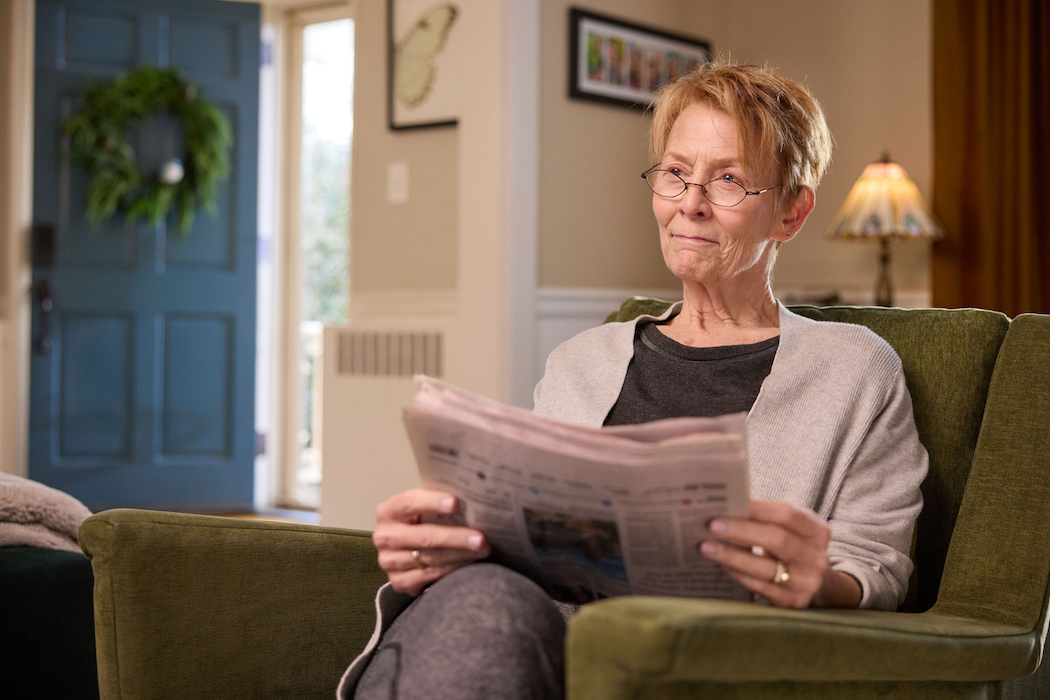
When your sleep is poor, not only does the daytime tiredness affect your ability to do activities throughout the day safely and enjoyably, but poor sleep has been linked with a lower quality of life, and risk of chronic disease. For people with bad sleep habits, conditions like diabetes and obesity are more common. Surprisingly, sleep regulates the hormones that tell your body when you’re hungry and signals the feeling of fullness that makes you stop eating. For those suffering from bad sleep, they may be prompted to eat more, and also reach for unhealthy food choices throughout the day.
Continue ReadingAs vaccination rates increase and COVID-19 infections decrease, we are perhaps well on our way to seeing an end of the pandemic that disrupted so much of our daily lives, routines, and activities we enjoyed. While getting infected with the disease had worse health results for seniors, the impact of spending eighteen sedentary months inside socially isolating and physically distancing has the possibility of nearly as bad health incomes.
Continue ReadingSeniors alive today have been witness to one of the most exciting eras of rapid technological advancement and invention in all of human history. And with seniors today living longer than previous generations, along with having far more leisure time to spend with friends, family, on hobbies or traveling to new destinations, it’s a good time to be older. But aging comes with many challenges and difficulties as well. While some amount of physical and mental decline is inevitable, leading to a loss of spring in our step, our twilight years can be just as, if not even more, enjoyable than our younger days.
Continue ReadingFor seniors, continued social activity is critical to wellness. The National Institute on Aging has found a correlation between seniors’ overall health and the amount of social engagement. Emotional bonds lead to many positive health outcomes, such as healthier habits, positive mental health, and mental stimulation.
Continue Reading