News and Blog
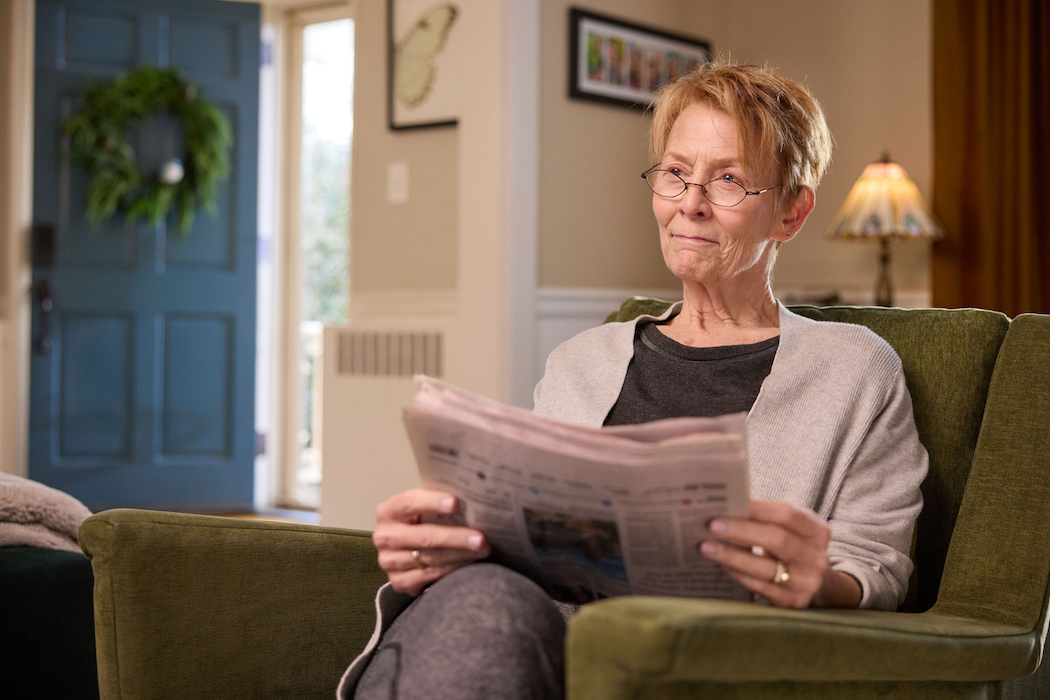
Learn how seniors can offer support and assistance to family caregivers to help manage caregiver stress during the holiday season.
Continue ReadingIf you’re caring for a family member who is suffering from COPD, you are no doubt familiar with all the symptoms such as coughing, wheezing, and shortness of breath. As a caregiver and a loved one, your goal is no doubt to help the person have the best possible quality of life despite their living with COPD. While there is currently no cure for COPD available, it is treatable and there are things you can do to help.
Continue ReadingListening is a skill that requires more than simply hearing. For medical providers and those who provide care for seniors, listening to those you care for is critical to their ongoing health and wellness. But as said before, listening is more than just hearing someone.
Continue ReadingChances are pretty high that if you’re an older adult, you’ve had to cope with the loss of at least one person who was close to you. It may be the loss of a parent, the death of a spouse, or the loss of one or more dear friends. Our lives are full of significant events, from graduations, to honeymoons, to any given night full of joy and laughter, each one leaves an indelible mark on our lives and the absence of a loved one can lead to feeling profound sadness, grief, and loneliness. The loved ones around us provide us with a sense of purpose and belonging, and without them, those feelings can be much harder to find.
Continue ReadingIf you live hundreds, or possibly even thousands of miles away from your loved ones, you may find yourself wondering how you can best go about caring for your elderly parents when they need a little bit of extra care and support. While long distance caregiving certainly isn’t without its challenges and difficulties, many families are able to discover that it can all be accomplished with great amounts of success.
Continue ReadingThe strain of working together to make decisions about a parent’s care can strain even the closest families. Watching the health of your loved ones decline is always going to be tough. What complicates matters is that caregiving responsibilities are often not split equally between siblings, which can alone cause conflict.
Continue ReadingIf a senior family member or other loved one has cognitive impairment or some form of dementia such as Alzheimer’s, you may have noticed them acting differently in the late afternoon or early evening hours. Sundowning, which is also known as sundowners or sundown syndrome, is a term that refers to a group of behaviors, thoughts, and feelings that people with cognitive impairments or dementia can often experience in the late afternoon or evening as the sun sets, but it can occur at other times as well. Sundowning can affect a person’s thinking, memory, personality, ability to reason, and their mood.
Continue ReadingWhen a loved one falls or has trouble rising from bed or a chair, we will of course want to help them. One of the essential talents of a caregiver is to safely move a loved one from surface to another. There are numerous types of transfers, with varying degrees of difficulty depending on aptitude and circumstances.
Continue ReadingIt’s hard to know just how to plan for aging parents, but it’s especially hard for adult children with their own lives and responsibilities. There are several factors to consider when contemplating long term care for elderly parents.
Continue ReadingWith the average individual life expectancy rising, parents are living longer and longer as their children continue to age deeper into adulthood themselves. Many of those who are caregivers to their elderly parents are themselves elderly. In fact, the average age of someone who is giving care to someone aged 65 or older is a surprisingly high 63 years old themselves. This means that many of those engaged in caregiving are themselves aging along with those they care for, which results in many retirement-aged adult children caring for their senior parents.
Continue ReadingWhile too much sitting isn’t good for anyone, no matter the age group, spending long amounts of time seated is especially critically dangerous for the elderly. With age comes muscles that degrade much faster than those of young people, which means that extra attention needs to be paid to the amount of time in chairs, both by the elderly and their caregivers and loved ones.
Continue ReadingMany of us work full time and are also busy with other responsibilities, such as raising children, managing their own homes, and engaging in social activities or hobbies. This makes taking on the role of a family caregiver in the event that a loved one suddenly has a condition or illness that requires regular care difficult.
Continue ReadingThere is an endless supply of movies about fictional disasters and apocalyptic world ending scenarios that all let audiences vicariously experience big thrills and chills with the escapist entertainment they provide. But here, in the real world, there is absolutely nothing entertaining or enjoyable about disasters. Climate change fueled weather systems put countless lives across the nation in jeopardy with alarming frequency.
Continue ReadingAt Senior Helpers, we have cared for thousands of seniors over the past 20 years. Our caregivers are the key to delievering exceptional care. By choosing Senior Helpers for a loved one, you’re not just getting exceptional care for any of their needs, but you’re gaining a genuine, in-home connection designed to give them the absolute best quality of life.
Continue ReadingWhile at times our aging parents and loved ones need some extra care and guidance, it can of course be challenging to speak to your employer and tell them about how you need to manage increased caregiving needs. How does one best make sure they’re successfully balancing the needs of their loved ones while making sure to fulfill their responsibilities at work?
Continue ReadingWhen you want the best care for yourself or a loved one, oftentimes you seek out specialists for individualized treatment. For example, you’ll take your child to a pediatrician instead of a general practitioner, and you’ll see a podiatrist for foot pain. When older adults and senior citizens are concerned, medical care provided should be given equal respect and individualized attention in the same way. But the question is how to know which places will provide that?
Continue ReadingCaregiving, no matter how rewarding, is always a stressful experience. Watching our parents age will undoubtedly produce emotional reactions. And when your elderly loved one needs help to get through the day, it is often a painful experience.
Continue ReadingThere are an estimated 11 million caregivers in the United States who are part of the sandwich generation. For those unfamiliar with the term, the sandwich generation refers to adults today who are caring in home for both their older parents, and their younger adult children who have moved back home or remained there for any number of reasons after turning 18. These people are not only caring for the aging adults in their lives, but also the needs of their younger children. Members of the sandwich generation tend to experience high levels of emotional stress, as well as physical and financial strain as they juggle responsibilities.
Continue ReadingCaregiving is a universal experience. Nearly everyone will, at one point in their life, either be a caregiver, need a caregiver, or oftentimes both. Caregiving requires a personal touch, to do what is needed to relieve stress and burdens on those who need care, and their loved ones. Whether a caregiver is part of your family, a close friend, or someone hired from an outside agency, they will develop personal relationships while taking care of needs and business both in and outside of the house. Regardless if the caregiver is providing care to you, or to a loved one, there are a few simple ways to say thank you.
Continue ReadingIn many families, when older adults need extra care to get through their days, adult children or grandchildren will step in to help. And while at first, this can be a workable arrangement, the task list can soon swell. Soon, helping out here and there becomes managing your loved one’s healthcare appointments, taking care of the house and domestic tasks, and sometimes performing hands-on health care tasks that may seem more appropriate for a trained medical professional to manage.
Continue ReadingFalls are the leading cause of injury, hospitalization, and death in the elderly. According to the CDC, one out of every four older Americans suffers a fall every year. And with seniors being more likely to fall, they are unfortunately more susceptible to sustaining lasting injuries from said falls. Almost a quarter of yearly falls result in an injury, such as a broken hip or a head trauma, meaning that nearly one in sixteen adults over the age of 65 will be injured in a fall each year. Understanding the reasons for a fall can help loved ones and caregivers prepare for and prevent them.
Continue ReadingMany seniors have difficulty eating enough, due to changing senses of taste and smell as they age, side effects of medications reducing hunger, difficulty chewing or swallowing, or any other number of reasons. One thing caregivers can do to combat malnutrition and make sure your loved one is eating enough is to keep plenty of small, nutritious, ready to eat snacks on hand.
Continue ReadingAs featured in McKnight's Senior Living, The Center of Excellence in Caregiving in Mesa, AZ opened to the public on October 1, and serves as a comprehensive training facility where Senior Helpers-certified caregivers, family caregivers, and members of the community who assist the elderly can expand their skills and knowledge of administering specialized care that is designed to meet the needs and requirements of senior citizens at various stages.
Continue Reading