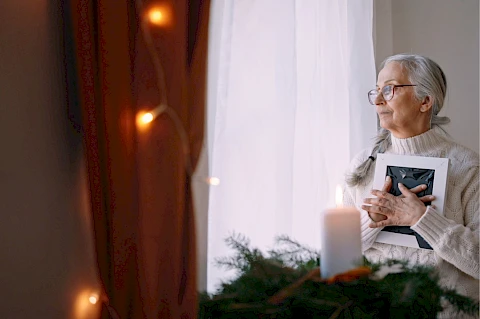
A senior who once enjoyed weekly calls with family may start keeping conversations short or seem less interested in activities. They might say they are simply tired, and that may be true. However, senior holiday blues may also cause lasting changes in mood and interest in social activities. Noticing these changes helps families tell when sadness goes beyond a passing slump and a senior needs extra support.
Why This Season Hits Some Seniors Hard
December can bring up feelings of grief, especially for seniors spending the holidays without a spouse for the first time. Not every older adult celebrates Christmas or Hanukkah, but shorter days and darker afternoons can affect daily routines and mood. These changes may contribute to the senior holiday blues.
Social isolation can make these feelings harder to manage. Studies show that loneliness and isolation may increase the risk of premature death by 26% and 29%, respectively.
Signs That Senior Holiday Blues Are Sticking Around
Senior holiday blues can come and go. A difficult afternoon spent looking through old photo albums may feel better by the next morning, especially after a call from a grandchild or a visit from a longtime friend.
Lingering sadness looks different and often develops gradually. Watch for weeks of low mood, less interest in favorite activities, changes in sleep or appetite, or less contact with longtime friends and neighbors. Other signs may include unopened mail piling up or missed social activities.
Depression in older adults is a medical condition, but it can be treated. The National Institute on Aging explains this in its overview of senior depression. A healthcare provider can help determine what's causing these changes and discuss possible treatment options.
Steps Caregivers Can Take
Visit without an agenda or expectations, and plan to stay for a while. Ask open-ended questions about how the senior has been feeling, and let them guide the conversation. Avoid rushing to cheer them up or solve their problems.
If low mood lasts more than a couple of weeks, encourage the senior to visit a doctor. Write down the changes you've noticed and when they started. Specific examples can give the doctor a clearer picture than general observations.
Keep the December calendar from becoming empty. A regular lunch with friends, a ride to a senior center, or a walk through a nearby indoor garden can add variety to a senior's weekly routine.
If a senior talks about not wanting to live or harming themselves, call or text 988 right away. The service is available 24 hours a day.
Let Us Help Beat Seniors' Holiday Blues
Regular social activities throughout the week can help ease senior holiday blues and make Sunday calls feel brighter. Senior Helpers Greater Milwaukee provides companionship, meal preparation, rides to appointments and outings, and reminders to help seniors in Milwaukee maintain their daily routines. Our care is non-medical and does not replace your parent's doctor. Contact us to learn how our senior care services can help.