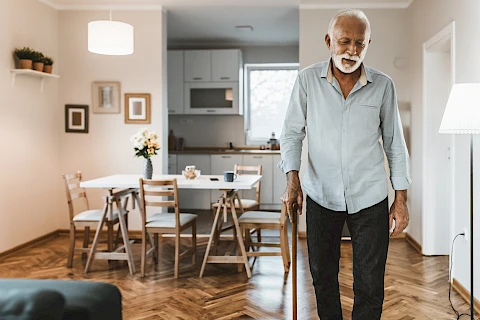
A nightlight that's been out for a month or clutter on the floor could cause multiple falls and accidents. Now is the perfect time for Milwaukee residents to take a closer look and address the issue. The days are shorter, and patio steps are slick with the first cold rain. Falls doesn't have to be part of getting older. Most are avoidable, and the fixes are usually simple and inexpensive. Senior Helpers shares tips on how you can keep your elderly loved ones from experiencing falls.
Start With Your Own Body
Movement is the strongest prevention of falls. Muscles that don't get used get weaker, and weaker legs are the top cause of losing balance. Twenty to thirty minutes of walking most days, plus a few basic strength moves twice a week, changes what happens if you catch a rug.
The National Council on Aging recommends simple home exercises that can help prevent falls. Improve your balance by sidestepping or standing on one leg and strengthen your legs with lunges and standing heel raises. Sit-to-stands from a sturdy dining chair, done ten at a time, build the same leg strength you need to get out of a car in a parking lot. Tai chi programs at the senior center are also ideal for balance work, and many Milwaukee County community centers offer them free or low-cost in the fall.
Remember to consult with your physician before starting a new fitness regimen and ask about a balance assessment at your next physical.
Fix the Light and the Path
Older adults may require thrice the light necessary to see clearly. That means brighter bulbs in hallways and stairs, a lamp switch you can reach from bed, and a nightlight in every path you walk after dark. Plug-in motion nightlights cost about $10 and are worth every dime.
Look at the floor as if you were a stranger. Roll up small throw rugs or tape them down with rug tape. Move phone cords out of walking paths. Set the coffee table back from the traffic lane by a few inches.
Outside, sweep the porch and hose down the concrete before winter grit builds up. Add a second handrail to the front steps if you only have one. Salt the ice as soon as it arrives.
Shoes That Do the Work
A soft slipper with a smooth sole is a fall waiting to happen. Wear real shoes at home, with a back that stays on your heel and a sole with grip. Look for a low, wide heel; a firm midsole; and a toe box that leaves room for your toes to spread.
Replace the shoes when the tread wears smooth. Most walking shoes last 300 to 500 miles, less on wet Milwaukee sidewalks. Check yours tonight. Have both feet measured once a year. Feet change shape with age. A snug fit at 55 may be a slip hazard at 75.
The Yearly Checks People Skip
Get your eyes checked every year and update your glasses. Bifocals blur the step in front of you; consider a second pair of single-vision distance glasses for walking outside. Ask your ear doctor about balance; the inner ear plays a real role in staying upright, and untreated dizziness has an answer.
Bring every pill bottle to one appointment a year, including vitamins and over-the-counter items. Some blood pressure, sleep, and allergy medications raise fall risk. Your pharmacist can spot the interactions in ten minutes. Vitamin D helps muscle strength. Ask your doctor whether a supplement makes sense.
Steady Steps Across Milwaukee
Our team at Senior Helpers Greater Milwaukee works with families across Milwaukee on home safety walk-throughs. Our professional homecare providers can help with daily tasks and provide the extra set of hands that keeps a loved one steady during the hours falls most often happen. To talk through a plan, contact us any weekday.