

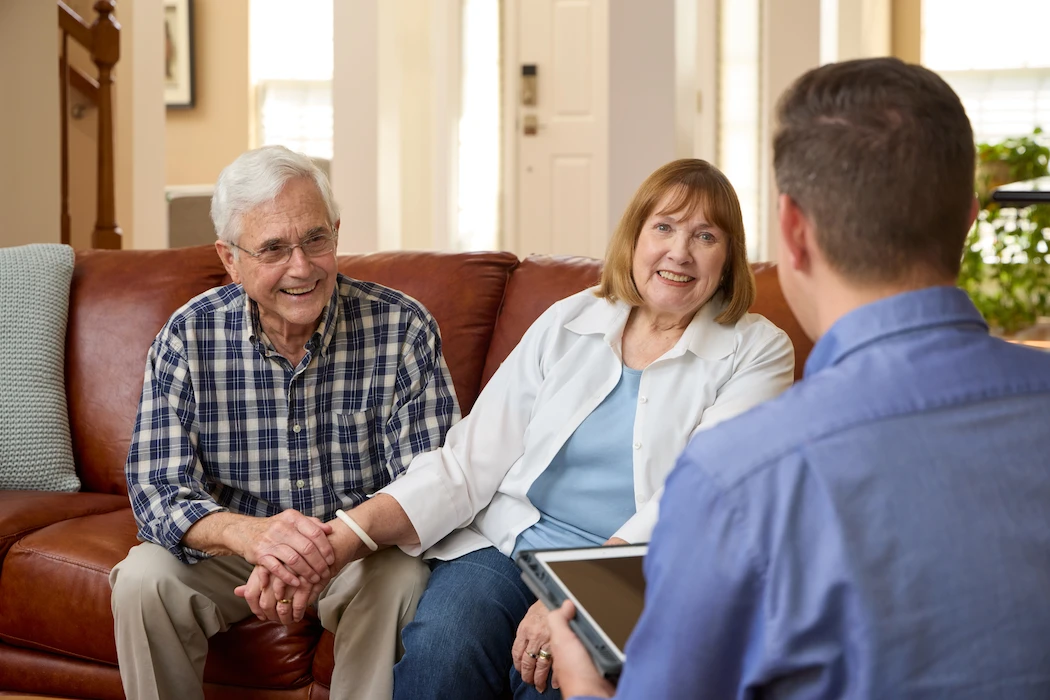
Post-hospital care is the support a senior receives after being discharged from the hospital while they recover from surgery, illness, or injury. It typically includes help with medications, meals, personal care, mobility, and follow-up appointments during the weeks when strength and independence are still returning. For many seniors, this care happens right at home with the help of a professional caregiver.
What Does Post-Hospital Care Include?
Every recovery looks different, but post-hospital care for the elderly usually covers:
- Medication reminders. Prescriptions often change after a hospital stay, and missed or doubled doses are one of the most common causes of readmission.
- Meal preparation. Good nutrition rebuilds strength, and cooking is often too much to manage in early recovery.
- Personal care. Help with bathing, dressing, and grooming keeps your loved one safe and comfortable.
- Mobility and fall prevention. Seniors are at their highest fall risk in the weeks after discharge.
- Transportation. Follow-up visits and therapy appointments are essential to staying on track.
- Companionship and monitoring. A caregiver notices the early warning signs that something is off, often before a family member can.
Why Post-Hospital Care Matters
The first few weeks after discharge are the most vulnerable stretch of any recovery. Strength and balance are reduced, medications are in flux, and everyday tasks can suddenly feel overwhelming. Without support, complications and hospital readmissions become far more likely. With the right care in place, seniors can rest, heal, and get back to the life they enjoy.
While some seniors spend time in a skilled nursing or rehab facility first, most recovery ultimately happens at home. Familiar surroundings ease stress, support better sleep and appetite, and lower the risk of infection. The question for most families isn't whether their loved one will recover at home, but whether the right help will be there when they do.
Why Families Choose Senior Helpers for Post-Hospital Care
A Care Plan Built Around Your Loved One
Recovery care shouldn't be one-size-fits-all. Senior Helpers uses our LIFE Profile assessment, a data-driven evaluation of your loved one's health, home environment, and daily needs, to build a Transitional Care plan around their specific recovery goals. As they regain strength, the plan adjusts with them.
Trained, Trusted Caregivers
Our caregivers are professionally trained, screened, and matched to your loved one's needs and personality. For seniors managing chronic conditions or dementia alongside their recovery, our specialized training programs mean your loved one gets care that accounts for the whole picture, not just the discharge papers.
Support That Starts Before Discharge
The best transitions home are planned early. Senior Helpers can coordinate with your family before discharge day, so transportation home, medication routines, and daily support are ready from hour one. That first week sets the tone for the entire recovery.
Flexible Care, From a Few Hours to Around the Clock
Some seniors need a caregiver for a few hours a day. Others need overnight or 24-hour support in the early weeks. Care scales up or down as recovery progresses, so your family only uses the level of help you actually need.
Peace of Mind for the Whole Family
Family members often step in after a hospital stay, but jobs, distance, and their own households make it hard to be there every hour. A Senior Helpers caregiver fills those gaps, keeps the family informed, and gives everyone confidence that recovery is on track.