


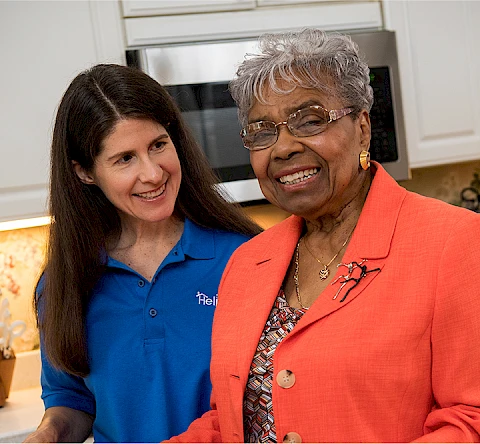
When bathing, getting dressed, or moving around the house becomes difficult, the right support can help your loved one feel more comfortable at home. Senior Helpers provides in-home personal care services that assist with everyday tasks while respecting each person’s privacy, preferences, and independence.
Aging, an injury, or a medical condition can change how much help someone needs. For families, those changes often bring questions: How can we support Mom without making her feel less independent? Is Dad comfortable asking for help? How can we balance caregiving with work and other responsibilities?
You do not have to manage these concerns alone. Our fully screened, trained, and dependable caregivers provide sensitive, hands-on assistance with personal routines. Whether you are exploring private senior care for the first time or seeking additional support for a family member, Senior Helpers can help you understand the next steps.
What Is In-Home Personal Care?
In-home personal care is assistance with everyday activities that have become challenging to complete independently. Often called activities of daily living, these tasks include bathing, dressing, personal hygiene, using the restroom, and walking.
Personal care can also include support with related routines, such as planning meals and remembering when to take medication. The goal is to help your loved one manage daily life at home while continuing to do the things they can comfortably do for themselves.
Because these tasks are personal, how assistance is provided matters. A caregiver should take time to understand your loved one’s preferences, explain what they are doing, and offer support with patience and respect.
Personal Care Services That Support Everyday Living
Your loved one may need assistance with several daily activities or just a few parts of their routine. Senior Helpers provides support based on individual needs, with attention to comfort, dignity, and participation.
Bathing Assistance and a Safer Bathing Environment
Bathing can become challenging when balance, strength, or mobility changes. A slippery surface, difficulty stepping into the bathing area, or trouble reaching personal care supplies can make a familiar routine feel uncomfortable.
Our caregivers can help prepare the bathing area, keep needed items within reach, and provide bathing assistance suited to your loved one’s needs. Throughout the routine, the focus remains on privacy, comfort, and helping the person participate as much as they are able.
Families can discuss bathing preferences and specific concerns when planning care, including when their loved one prefers to bathe and which parts of the routine require help.
Personal Hygiene and Grooming Assistance
Keeping up with personal hygiene can help seniors feel comfortable and more like themselves. However, tasks that require coordination, a steady grip, or standing for extended periods may become harder to manage.
Personal hygiene assistance can support everyday routines such as washing up, brushing teeth, and caring for hair. Caregivers approach these activities with sensitivity, recognizing that familiar habits and personal preferences are important.
Rather than rushing through a checklist, the aim is to help your loved one maintain the routines that matter to them, with assistance where it is needed.
Help With Dressing
Getting dressed involves more than choosing an outfit. Buttons, zippers, sleeves, socks, and shoes can be difficult to manage when flexibility or movement is limited.
A caregiver can assist with dressing while allowing your loved one to make choices about what they wear. Support may include helping organize clothing for the day and providing hands-on assistance with the parts of dressing that have become challenging.
Preserving these choices helps keep your loved one involved in their own routine. The goal is to make getting ready more manageable while respecting their style, comfort, and independence.
Assistance With Restroom Use
Needing help with restroom use can be especially sensitive. Seniors may hesitate to ask family members for assistance, and relatives may be unsure how to help while protecting their loved one’s privacy.
Senior Helpers caregivers provide respectful assistance with restroom routines based on the individual’s care needs. This may include help reaching the restroom, managing clothing, and attending to personal hygiene.
Discretion and patience are essential. Care should follow your loved one’s pace and preferences, with clear communication about the help being provided.
Walking and Mobility Assistance
Moving from the bedroom to the bathroom or walking to the kitchen can become more demanding with changes in balance, strength, or confidence. Your loved one may benefit from someone nearby to provide appropriate walking assistance.
Our caregivers can support movement during everyday routines according to the care plan. Families should share information about mobility challenges, existing walking aids, and any instructions provided by healthcare professionals.
This assistance helps your loved one navigate daily activities at home while continuing to participate within their abilities. Specific mobility needs should be discussed with your local Senior Helpers team to determine the appropriate support.
Meal Planning Support
Planning meals takes time and energy. For seniors managing changing routines or limited mobility, deciding what to eat each day can become another source of stress.
Meal planning support helps organize meals around your loved one’s preferences, usual schedule, and any dietary instructions already provided by their healthcare team. Having a plan can make daily routines easier to manage and give families a clearer understanding of how meals fit into the day.
Your loved one’s input remains central. Familiar foods, cultural preferences, and favorite meals all deserve consideration when building a practical routine.
Diet Monitoring and Support With Eating Routines
Families may worry when a loved one skips meals, loses interest in food, or has difficulty following an established eating routine. Having support at home can help bring attention to these everyday concerns.
Within the agreed care plan, diet monitoring can include paying attention to meals and communicating relevant observations to family members. Caregivers can also help reinforce existing dietary instructions as part of the daily routine.
This support follows guidance from your loved one’s healthcare professionals. Medical nutrition advice and changes to a prescribed diet should come from the appropriate clinician.
Medication Reminders
Remembering medication times can become difficult, particularly when someone has several daily routines to manage. Medication reminders provide an additional prompt to help your loved one follow their established schedule.
A caregiver can remind your loved one when it is time to take medication, as outlined in the care plan. Families should provide current instructions and discuss the level of assistance needed with their local Senior Helpers office.
Medication reminders are distinct from administering medication or making treatment decisions. Questions about prescriptions, doses, or side effects should be directed to a healthcare professional.
What to Expect When Starting Private Senior Care
Inviting a caregiver into your home is a personal decision. Knowing what to discuss and how to prepare can make the transition feel more manageable.
1. Talk Through Your Loved One’s Daily Challenges
Start by contacting your local Senior Helpers office to discuss the activities that have become difficult. Describe where your loved one needs help, what they still manage independently, and what concerns your family most.
It can be helpful to walk through a typical day, from getting out of bed to preparing for the evening.
2. Discuss Preferences and the Support Needed
Share the details that make care personal: preferred bathing times, clothing choices, meal routines, privacy concerns, and how your loved one feels about accepting help.
Your local team can explain available services and discuss how those services may fit your loved one’s needs. This is also the time to clarify mobility requirements, medication reminders, scheduling, and any relevant healthcare instructions.
3. Establish a Clear Daily Care Routine
A clear care plan helps everyone understand which tasks require assistance and how that support should be provided.
For example, a morning routine might include help with bathing, dressing, and walking to the kitchen. Another person may need support with personal hygiene, meal planning, and medication reminders. The routine should reflect the individual rather than assume every senior needs the same care.
4. Help Your Loved One Become Comfortable With Care
Accepting personal assistance can take time. Talk openly with your loved one about their concerns and encourage them to share preferences with their caregiver.
Small details—explaining a task before beginning, allowing extra time, or keeping familiar routines—can make receiving help feel more comfortable.
5. Stay in Communication as Needs Change
Keep your local Senior Helpers team informed about changes in your loved one’s abilities, routines, or preferences. Discuss whether the current support continues to meet their needs and what adjustments may be appropriate.
Support for Seniors and Family Caregivers
Personal care services also give family caregivers time to attend to other responsibilities or take a break. Knowing that someone is available to assist with sensitive daily tasks can help ease the pressure of managing everything yourself.
For your loved one, receiving help at home means maintaining familiar surroundings and routines. For your family, it means having additional support as you navigate changes together.
Talk With Senior Helpers About Personal Care at Home
If your loved one needs help with bathing, dressing, hygiene, walking, or other daily routines, Senior Helpers is here to discuss your options.
Contact your local Senior Helpers office to learn more about our in-home personal care services and explore private senior care that respects your loved one’s dignity, preferences, and independence.