Changes in balance, grip strength, flexibility, or eyesight may make everyday hygiene tasks harder. The bathroom also presents risks because water, smooth surfaces, and tight spaces leave less room to recover from a slip. Adaptive tools could make bathing, grooming, and other personal care tasks easier while reducing unnecessary reaching, bending, and standing.
Make the Bathroom Safer
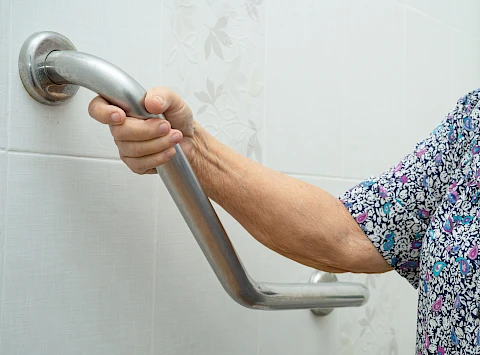
Start with the areas that create the most risk. A nonslip bath mat could provide more secure footing outside the tub or shower. Securely installed grab bars could make it easier to steady yourself when entering, exiting, or changing positions. Avoid relying on towel racks or other fixtures that are not designed to bear weight.
A shower chair or transfer bench may reduce the need to stand on a wet surface. Pairing a chair with a handheld showerhead could make bathing easier without excessive reaching or twisting. Adequate lighting and a clear path to the bathroom also help reduce hazards. These changes, along with removing clutter and keeping frequently used items within reach, could help reduce fall risks at home.
Choose Grooming Aids That Reduce Strain
Small changes could make grooming more manageable. A long-handled sponge may make it easier to wash the back, legs, or feet without bending as far. A long-handled brush or comb could help someone who has limited shoulder or arm movement.
For oral care, an electric toothbrush with a larger or built-up handle may be easier to grip. An electric razor could also reduce the hand movements needed for shaving. Pump bottles may be easier to operate than small caps, particularly for someone with limited hand strength.
Keep frequently used items within easy reach. A small basket near the sink could hold a toothbrush, comb, moisturizer, and other daily supplies without requiring repeated trips around the bathroom.
Match the Tool to the Task
The best adaptive device depends on what makes a particular task difficult. Someone who struggles with balance may benefit from seated bathing, while someone with limited grip strength may need larger handles or pump dispensers.
An occupational therapist could recommend products based on a senior's abilities, bathroom layout, and daily routine. Before purchasing equipment, check measurements, weight limits, installation requirements, and whether the device fits securely in the available space.
Keep Equipment in Good Condition
Check grab bars regularly for looseness, inspect shower chair feet for wear, and look for cracks or damaged handles. Rinse soap from shower equipment and, when appropriate, allow items to dry between uses. Replace equipment that becomes unstable, damaged, or difficult to use.
It may also help to prepare towels, clean clothes, and grooming supplies before bathing. Keeping a phone within reach provides another way to call for assistance if a problem occurs.
Make Daily Care Easier
Adaptive tools may help seniors handle more of their hygiene routine independently, but some tasks may still require another person's assistance. Senior Helpers Norman offers personal care services for seniors in Pauls Valley, Lindsay, Purcell, Chickasha, and Newcastle to help with bathing, grooming, dressing, and other daily routines, while allowing seniors to do as much for themselves as they comfortably can. Contact us to discuss our personalized in-home services that fit your senior loved one’s needs and preferences.