Signs That Extra Help May Be Needed
Wondering if in-home care is right for your loved one? You might start noticing small changes over time. Maybe meals are becoming less consistent, household chores are piling up or getting to appointments has become more difficult. Your loved one may still be doing many things independently but could benefit from support in a few specific areas. If you are considering how to transition a loved one to in-home care in Oklahoma City, start by looking at where daily life has become harder than it used to be. Identifying those challenges can make it easier to introduce care as a helpful resource rather than a loss of independence.
Start With What Matters Most
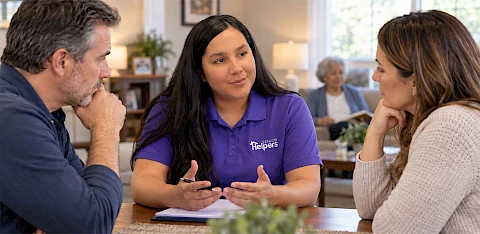
Conversations about care are often more productive when they begin with what matters most to the individual. Instead of focusing only on limitations, talk about the routines, activities and relationships they want to maintain. Maybe staying in their own home is the priority. Perhaps they want to keep up with hobbies, prepare some of their own meals or spend time with friends and family. At Senior Helpers of Greater Oklahoma City, we take these preferences into account when planning care. Our complimentary in-home assessment helps us understand abilities, routines, safety concerns and goals so assistance can support the life your loved one wants to continue living.
Match Care to Current Needs
In-home care does not have to mean handing over every part of the day to someone else. Many seniors begin with support in the areas where they need it most. Companion care might include transportation, meal preparation, errands, light housekeeping and conversation. Personal care can provide more hands-on assistance with bathing, dressing, grooming, toileting or mobility. We also offer respite care, chronic disease support, transitional care after a hospital stay or surgery and specialized support for Parkinson’s disease, Alzheimer’s disease and dementia. Finding the right level of care can make the transition feel more comfortable for everyone involved.
Finding the Right Caregiver Fit
The caregiver relationship can play a major role in how a senior feels about receiving help at home. A new person entering the home may take some getting used to, which is why thoughtful matching and consistency matter. Senior Helpers of Greater Oklahoma City carefully matches clients with caregivers based on their needs and compatibility. Our caregivers are trained, screened, bonded and insured, and our local team provides ongoing oversight. As the relationship grows, assistance becomes a normal part of your loved one’s routine.
Be Ready to Adjust Along the Way
The support that works today may not be the same support your loved one needs tomorrow, next week or several months from now. Someone who starts out with companion care or help around the house may eventually benefit from additional mobility assistance, personal care or supervision. Health changes, recovery from surgery and new diagnoses can also impact daily routines.
That is why our care plans are designed to remain flexible. We keep you and your family involved with regular communication, check-ins and collaborative coordination. By reviewing what is working and making adjustments when necessary, we can continue providing the right level of assistance to help your loved one remain comfortable, connected and independent while they age in place.
Ready to transition a loved one to in-home care in Oklahoma City? Call us at 405-608-4339 or contact us using the form here on our website to get started with our team.