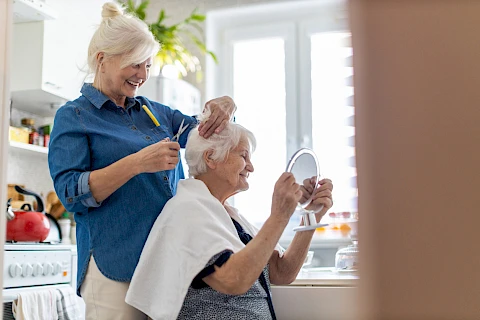
Personal care can feel uncomfortable or stressful for seniors, especially when they need help with once-private tasks. Small changes to the environment, timing, communication, and physical setup can make personal care routines easier. When seniors feel comfortable and respected, they are often more willing to take part in their care and maintain as much independence as possible.
Choose a Comfortable Time
Timing can make a big difference in how a personal care routine goes. Ask when the senior usually feels most alert and comfortable, then plan bathing, dressing, shaving, or hair care around that time. Seniors who prefer mornings may be ready after breakfast. Others may need more time to wake up and settle in.
Avoid rushing through the routine just to fit a busy schedule. Give the senior enough time to respond, make choices, and complete the steps they can manage themselves. A few extra minutes can reduce frustration and make the entire routine feel more relaxed.
Make the Space Comfortable and Safe
Prepare the room before personal care begins. Have towels, clean clothing, toiletries, and other supplies within easy reach. This way, the senior does not have to wait or move around unnecessarily. Keep the room comfortably warm and make sure lighting is bright enough to see clearly.
Arrange the bathroom with safety and physical comfort in mind. Non-slip mats, properly installed grab bars, a shower chair, and a handheld showerhead can make bathing easier for someone who has trouble standing or balancing, to prevent trips and falls. Test the water before the routine starts, and keep a towel or robe close by so the senior does not get cold afterward.
Give the Senior a Say
Communication can affect how comfortable personal care feels. Before starting, explain what you are going to do and ask how the senior would like to be helped. Offer simple choices, such as which clothes to wear, what soap to use, or whether they want the door partly closed.
Give one instruction at a time and allow time for a response. Avoid talking over the senior or assuming they need help with every step. Even when assistance is necessary, letting them decide how and when tasks are done can help them feel more involved and in control.
Focus on Physical Comfort
Pay attention to how the senior feels throughout the routine. Make sure they are seated when needed, have support when standing, and are not reaching or bending farther than is comfortable. Allow breaks if they become tired.
Watch for signs that something is making the routine harder, such as pain, stiffness, dizziness, or difficulty standing. A new problem or noticeable change in mobility, skin condition, or ability to complete familiar tasks may be worth discussing with a healthcare provider.
Keep the Routine Calm and Flexible
Not every day will go exactly as planned. If a senior becomes upset or overwhelmed, pause rather than forcing the task to continue. Give them time to settle down and try again later when they are more comfortable. The goal is not to complete personal care as quickly as possible. It is to create a routine that feels safe, respectful, and manageable.
Support for More Comfortable Care at Home
Personal care can be easier when seniors have the right support and enough time to do things at their own pace. Senior Helpers Northern Queens provides in-home support with personal care and other daily routines while respecting each person's preferences and abilities. Contact us to discuss care for seniors in Astoria, Long Island City, Woodside, Little Neck, and Fresh Meadows.