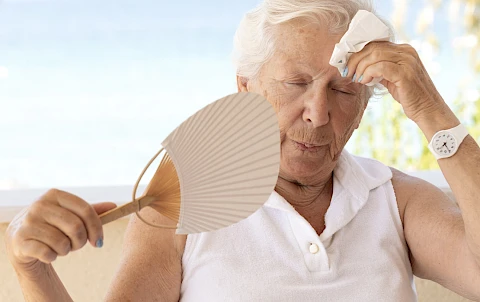
Hot weather can put extra strain on the body, particularly for seniors managing a chronic condition. Heart disease, diabetes, and lung problems may become harder to manage as temperatures rise. Signs of heat-related problems can also be easy to overlook. Knowing how to adjust daily routines and when to seek medical care can help seniors stay safer and more comfortable during hotter weather days.
Plan Before the Heat Arrives
Before hot weather sets in, talk with your doctor about how heat may affect your condition, medications, and usual routine. Hot days can make even ordinary errands more difficult. Check the forecast and choose cooler times for groceries, walks, and appointments. Save the hottest part of the day for indoor tasks or rest.
When temperatures are especially high, consider grocery delivery or asking a neighbor for help to limit time outside. If your home becomes too warm, contact a friend or neighbor and ask about a nearby cool place before you start feeling unwell. When you do go out, wear light clothing, carry water, and let someone know where you are going.
Keep Medicines Safe From High Temperatures
Some medicines and medical devices can be affected by high temperatures. Check the storage instructions and avoid leaving them in places such as parked cars, sunny windowsills, or outdoor mailboxes. When you are unsure about proper storage, ask your pharmacist.
Do not change your dose or stop taking a medicine because of the weather unless your healthcare provider tells you to. Some medicines can affect thirst, sweating, or how your body responds to heat. Your doctor or pharmacist can explain how your medications may affect you during hot weather and what precautions to take.
Pay Attention to Warning Signs
Pay attention to changes such as weakness, dizziness, confusion, unusual tiredness, nausea, or shortness of breath. If they occur, move to a cooler place and sip fluids unless your healthcare provider has told you to limit them. Seek medical care if symptoms are serious or get worse. Chest pain, fainting, or severe difficulty breathing requires emergency care.
It can also help to arrange regular check-ins during hot weather. A family member might call after lunch, or a neighbor could stop by in the evening. Keep your phone nearby and let family or neighbors know when you expect to be home.
Keep Your Home Cool
Close blinds or curtains before direct sunlight warms the room. Fans can improve air circulation, but they may not be enough during extreme heat. Know where you can go to cool down, such as a library, mall, senior center, or cooling center, and keep that information handy before you need it.
It can also help to keep a small bag near the door with a water bottle, hat, medication list, phone charger, and emergency contacts. Having these items ready makes it easier to leave home without searching for what you need. Include any important information about pets so family members know how to care for them during very hot weather.
Stay Safe in the Heat with Senior Helpers
A practical plan can make hot weather easier to manage, especially when daily tasks become more tiring. Senior Helpers Northern Queens can provide companionship and support with everyday routines at home, helping you stay comfortable and maintain your independence during the summer. Contact us to learn about professional senior home care in Astoria, Long Island City, Woodside, Elmhurst, and Fresh Meadows.