Aging in Place: The Complete Guide to Helping Seniors Live Safely at Home
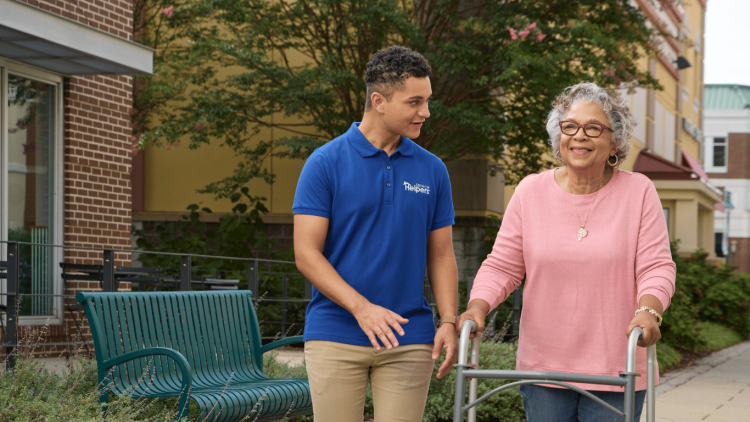
For many older adults, home is much more than a place to live. It is where they have built routines, raised families, developed relationships with neighbors, and created years of memories. When I talk with older adults and their families about the future, one preference comes up again and again: “I want to stay in my own home.”
That desire is at the heart of aging in place - but successfully aging at home involves much more than simply deciding not to move.
As an Occupational Therapist and Certified Home Modification Consultant, I look at aging in place from a practical perspective: What does this person need and want to continue doing? What is becoming difficult or unsafe? And what can we change to help them remain as independent as possible?
Sometimes the answer is a change to the home - better lighting, a properly placed grab bar, a safer bathroom setup, or a clearer walking path. Other times, it may involve changing how an activity is performed or providing assistance with meals, transportation, personal care, medications, or household routines.
One of the most important things I have learned as an OT is that independence does not mean doing everything without help. Sometimes accepting the right amount of assistance is exactly what allows someone to remain independent at home longer.
In this guide, I will share practical recommendations from an Occupational Therapy and home modification perspective to help families answer an important question: What can we change or support today that will help our loved one continue doing the things that matter to them safely and independently tomorrow?
What Does Aging in Place Really Mean?
Aging in place is often described simply as remaining in your home as you get older. From an Occupational Therapy perspective, it means being able to continue participating in the activities that are important to you as safely and independently as possible, even as physical abilities, health, memory, or support needs change.
For one person, independence may mean continuing to prepare meals and drive to church. For another, it may mean safely getting dressed, showering, and moving around the home. Someone experiencing memory changes may need reminders or supervision while still participating in many familiar routines. There is no single aging-in-place solution that works for everyone.
Start With the Person, Not the House
When evaluating aging in place, I consider three things: the person, the activities they need and want to perform, and the environment in which they perform them.
A single-story home may appear perfect for aging in place but still present challenges for someone who cannot safely step into the shower. Another person may live in a home with stairs and continue using them safely for years. Instead of starting with a generic checklist, look at how your loved one functions throughout the day.
Can they safely get out of bed, use the bathroom, prepare a meal, manage medications, enter and leave the home, and get to appointments or activities? More importantly, watch how they perform those activities. If Mom is beginning to hold onto a towel bar while getting into the shower, or Dad now pauses halfway up the stairs because he becomes tired, those changes provide useful information.
They do not necessarily mean someone can no longer live independently. They may indicate that the person, activity, and environment are no longer fitting together as well as they once did.
Plan Before a Crisis
Families often begin thinking about aging in place after a fall, hospitalization, surgery, or noticeable decline. Whenever possible, I encourage families to start earlier.
Small interventions can sometimes prevent larger problems. A properly positioned grab bar may improve shower safety. Moving commonly used items to easier-to-reach shelves may eliminate unsafe reaching. Transportation assistance may allow someone who has stopped driving to remain active in the community.
Planning ahead does not mean expecting the worst. It means creating more choices for the future.
Is the Home Ready for Aging in Place?
Once staying at home becomes the goal, families often ask, “What changes should we make to the house?” My recommendation is not to immediately start buying ramps, grab bars, shower chairs, or other equipment. First, identify what is actually becoming difficult.
Bathrooms deserve particular attention because they combine wet surfaces, transfers, limited space, and frequent changes in position. One thing I commonly see is someone using a towel bar, shower door, or countertop for balance. These were not designed to support body weight. A properly placed grab bar may be safer, but placement matters. Look at how the person actually moves before deciding where equipment should be installed.
Use the same approach throughout the home. For entryways, consider steps, handrails, lighting, and whether the entrance could accommodate future mobility needs. For stairs, determine why they are becoming difficult - balance, weakness, pain, vision, and endurance may require very different solutions. In the kitchen, keep frequently used items within comfortable reach and consider whether tasks can be simplified or completed while seated. For bedrooms and hallways, maintain clear, well-lit walking paths, particularly between the bedroom and bathroom at night.
The goal is not to fill the house with equipment or make it look institutional. Modify for function, not simply for age. Being 75, 80, or 90 does not automatically mean someone needs a walker, shower chair, raised toilet seat, or ramp. Identify the activity that is becoming difficult and determine whether the solution is a home modification, different technique, appropriate equipment, therapy, technology, or assistance from another person.
Preventing Falls While Preserving Independence
A fall can quickly change someone's ability to remain independent, particularly when it results in hospitalization or a lengthy recovery. Fall prevention should include obvious environmental concerns such as loose rugs, poor lighting, cluttered walkways, and inadequate handrails - but it should not stop there.
Consider whether there have been changes in strength, balance, vision, medications, footwear, endurance, or the way a mobility device is being used. A sudden or significant change in balance should also be discussed with the person's healthcare provider rather than assuming it is simply part of aging.
Do not ignore near falls. Reaching for furniture while walking, struggling to get out of a chair, suddenly avoiding stairs, or becoming nervous about showering can all be early warning signs.
From an OT perspective, the answer should not automatically be, “Stop doing that.” Instead ask, “Why has this become difficult, and what could make it safer?” The goal of fall prevention is not to unnecessarily restrict someone's life. It is to create enough safety and support that they can continue living it.
Supporting Daily Routines as Needs Change
Aging in place is not only about the physical home. Families often first notice changes in everyday routines. Watch for skipped meals, missed medications or appointments, declining personal hygiene, household tasks accumulating, reduced driving, or withdrawing from activities the person previously enjoyed.
One change does not necessarily mean someone needs home care. Several changes occurring together, however, may indicate that daily activities are becoming harder to manage.
When this happens, I encourage families to support an activity rather than immediately take it over. If your parent can still prepare meals but grocery shopping has become difficult, assistance with shopping may be enough. If medications are manageable once organized but remembering them is becoming a problem, a reminder system may help.
The right solution is often the least amount of assistance necessary to maintain safety and independence. The level of help can then change as the person's needs change.
If you are beginning to notice changes but are unsure whether they mean additional support is needed, read How Do I Know My Parent Needs Help?. It looks more closely at the signs families may notice at home.
You Don't Have to Figure Out Aging in Place Alone
Sometimes the hardest question for a family is simply, “Does my parent need help yet?” Perhaps Mom has started holding onto furniture when she walks. Dad is struggling with the stairs. Bathing is becoming difficult, meals are being skipped, or the house simply does not feel as safe as it once did.
This is where having someone look at the whole picture can be valuable. As an Occupational Therapist and Certified Home Modification Consultant, I can help families look beyond someone's age and focus on how that person is actually functioning in their home.
We can consider what your loved one is still doing safely, which activities are becoming difficult, whether the home presents safety concerns, and whether modifications or additional support could help them remain independent longer. Sometimes the answer is a change to the home. Sometimes it is additional assistance with daily activities. Often, it is a combination of both.
Where Senior Helpers Can Help
At Senior Helpers of Waxhaw-Monroe, our goal is not to take independence away. It is to help older adults continue doing as much as they safely can while providing support where it is needed. Depending on the individual, that may include companion care, personal care, meal preparation, transportation, or respite care for family caregivers.
For someone coming home after a hospitalization or surgery, Return Home Transitional Care can provide additional support during a period when routines and abilities may temporarily change.
Families supporting someone with cognitive changes can also learn more about our Alzheimer's and dementia care and read Dementia Care at Home: How to Keep Someone Safe, Comfortable, and Engaged for additional practical guidance.
If paying for care is part of the planning conversation, our article Can Long-Term Care Insurance Pay for Home Care? explains why families should review existing long-term care insurance benefits before they need extensive support.
If you are beginning to wonder whether your parent, spouse, or another older adult needs help, you do not have to wait for a fall, hospitalization, or crisis to start the conversation. An assessment can help identify what is working well, where concerns may exist, and what changes could help your loved one remain safely at home.
Senior Helpers of Waxhaw-Monroe serves families throughout Union, Cabarrus, Rowan, and Stanly Counties, including Monroe, Waxhaw, Indian Trail, Concord, Kannapolis, Salisbury, Albemarle, and surrounding communities.
If you are asking, “Is my parent still safe at home?” or “What can we do now to help them stay independent longer?” we are here to help you answer those questions.
With the right environment, the right level of support, and a plan that adapts as needs change, aging in place can remain a realistic option for many older adults. The goal is not simply to stay at home. The goal is to continue living safely, meaningfully, and as independently as possible in the place you call home.
Frequently Asked Questions
What does aging in place mean?
Aging in place means continuing to live in your own home as you grow older while adapting the environment, routines, and level of support as needs change. From an OT perspective, the focus is on maintaining safe participation in the activities that matter to the individual.
How do I know if my parent can safely continue living at home?
Look at how your parent manages everyday activities such as bathing, dressing, meals, medications, mobility, transportation, and household routines. Changes in how these activities are performed can be important early signs that modifications or additional support should be considered.
What home modifications are most important for seniors?
There is no single list that is appropriate for everyone. Common considerations include lighting, clear walking paths, safe bathroom access, handrails, entryways, and frequently used items being within comfortable reach. Modifications should be based on the person’s functional needs rather than age alone.
When should a family consider in-home care?
In-home care may be helpful when everyday activities are becoming difficult, family caregivers are becoming overwhelmed, or targeted assistance could allow an older adult to continue living safely and independently at home.
Can home care needs change over time?
Yes. Someone may initially need only a small amount of help with transportation, meals, or household routines and later require additional personal care or supervision. An aging-in-place plan should be flexible and reviewed as abilities and circumstances change.