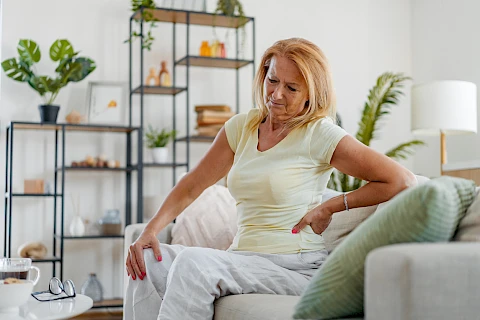
As you age, your bones gradually lose density, making them weaker and more prone to fractures. Osteoporosis in women becomes more common with age, especially after menopause, when declining estrogen levels speed up bone loss. Drawing on our experience in senior home care, Senior Helpers has put together an overview of why women face a higher risk and why discussing bone health and screening with your doctor is worth considering.
Why Women Start with Less Bone Mass
Most women build less bone mass than men during their younger years. Their bones are generally smaller and thinner, so they have less bone density to draw on as they age. Since everyone loses some bone mass over time, starting with less can mean reaching a point of increased fracture risk sooner.
Body size also plays a part. Women with smaller, thinner frames tend to have a higher risk than those with larger frames. Family history and other individual health factors can influence that risk, too.
How Estrogen Affects Bone Health
Estrogen helps protect bones by slowing the rate at which bone breaks down. Around menopause, estrogen levels drop, and bone loss can accelerate. Women who experience menopause early, either naturally or after surgery, may lose this protection sooner. Women also tend to live longer than men, giving bone loss more time to accumulate. These factors help explain why osteoporosis in women is particularly common in later life.
Why Osteoporosis in Women Can Go Unnoticed
Osteoporosis often develops without noticeable symptoms. You may not feel any pain or recognize that your bones are weakening until a fracture occurs. Even a minor fall or sudden movement can cause a break when bones have become fragile.
Some women notice a loss of height or a forward curve in their upper back. Fractures most often affect the hip, spine, and wrist. Hip fractures can be especially serious, sometimes leading to lengthy recoveries, reduced mobility, and a loss of independence.
When to Talk with Your Doctor About Screening
A bone density test measures bone strength, usually at the hip and spine. Your age, health history, and other risk factors can affect whether and when screening is appropriate, so discuss your concerns with your doctor.
It may help to mention the following during your appointment:
- Any previous fractures, particularly after a minor fall
- A family history of osteoporosis or hip fractures
- Early menopause or long-term use of steroid medications
- Noticeable height loss or changes in posture
You can also ask about calcium intake and physical activity. Your doctor can discuss how nutrition and suitable exercise fit into your individual needs.
Staying Safe and Independent at Home
Managing osteoporosis in women involves more than monitoring bone density. Reducing fall risks at home and keeping up with medical appointments can also make a difference. Senior Helpers Greater Grand Rapids provides in-home support with transportation to screenings and follow-up visits, medication reminders, meal preparation, and everyday activities. If you could use extra support at home, contact us to start exploring your options in Belding, Belmont, Byron Center, Cedar Springs, and Comstock Park.