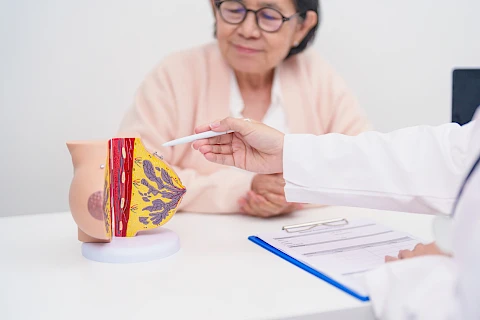
It’s easy to think of breast cancer as a concern for younger women, but age remains an important risk factor. Senior breast cancer risk deserves attention, too, even as screening and care decisions may change over time. Senior Helpers provides some practical information to help you understand these changes and support your loved one in discussing breast cancer risk and screening options with her doctor.
How Breast Cancer Risk Changes with Age
Getting older is one of the main risk factors for breast cancer, and most cases are diagnosed in women over 50. This doesn’t mean your mom will develop breast cancer, but it does make staying informed and keeping up with medical appointments worthwhile.
Some risk factors cannot be changed, including age, inherited genetic changes, and a personal history of certain breast conditions. Others relate to lifestyle, such as physical activity and alcohol use. Medical history, including past hormone therapy, can also affect risk. Your senior mom’s doctor can consider these factors together and discuss what they mean for her.
Take Another Look at Family History
Family health history can change as relatives receive new diagnoses or share information about past illnesses. Ask your mother whether any relatives have had breast or ovarian cancer, including those on her father’s side of the family.
Before her next appointment, write down what you know about:
- Which relatives had breast or ovarian cancer
- Their approximate age when diagnosed
- Any known family history of inherited genetic changes linked to breast cancer
You may not have every detail, and that’s fine. Even a partial history can give her doctor useful information.
Talk Through Senior Breast Cancer Screening Options
Screening decisions can change with age and overall health. For women aged 40 to 74, getting a mammogram every two years is ideal. For women 75 and older, evidence is insufficient to make a general recommendation. Your mom can discuss the potential benefits and drawbacks with her doctor, considering her health, preferences, and personal risk factors.
Senior breast cancer screening decisions should reflect her individual circumstances rather than age alone. If she notices a new lump, skin dimpling, nipple changes, or another unusual change, she should contact her healthcare provider rather than wait for her next mammogram.
You can offer to attend appointments, help prepare questions, or take notes if she wants support. What matters is that you let her decide what feels comfortable.
Keep Conversations Open and Reassuring
Talking about cancer can be uncomfortable, especially if your mother feels worried about what screening might reveal. Choose a time when you can talk without rushing, and give her room to share her concerns. You don’t need to cover everything in one conversation.
If she feels unsure about her options, encourage her to bring those questions to her doctor. Your support can make it easier for her to discuss concerns and make informed decisions.
Support for Appointments and Daily Routines
Senior breast cancer concerns can bring extra appointments and questions, but your mother doesn’t have to manage every practical detail alone. Senior Helpers Greater Grand Rapids provides in-home support, including transportation to appointments, reminders, meal assistance, and companionship. If your senior loved one in Belding, Belmont, Byron Center, Cedar Springs, and Comstock Park could use additional support at home, contact us to learn more about your options.