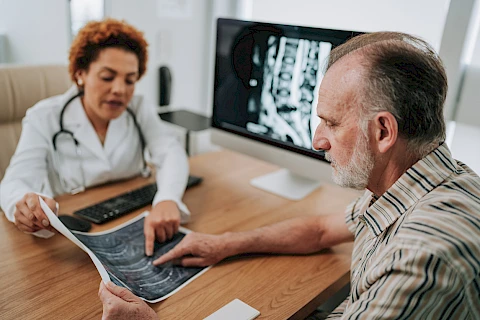
Bone loss often happens without noticeable symptoms. Many women learn they have osteoporosis only after a fracture. World Osteoporosis Day on October 20 is a good time to discuss osteoporosis prevention with your doctor. Preparing a short list of questions can help you make the most of your next checkup.
Senior Helpers Grand Rapids can provide practical support with everyday tasks and transportation to medical appointments.
Why Bones Deserve Their Own Conversation
Osteoporosis weakens bones and makes them more likely to break. Even a minor fall can cause a fracture in someone with osteoporosis. These injuries can take time to heal and may affect a person's ability to manage daily activities independently.
Women face a higher risk of osteoporosis after menopause because bone loss can speed up during this time. Family history, body size, smoking, heavy alcohol use, and certain long-term medications can also affect bone health. The National Institute on Aging explains the causes, risk factors, and treatment options.
Questions About Bone Density Testing
A bone density scan, also called a DXA scan, measures bone density and helps doctors assess fracture risk. Ask your doctor these questions:
- Do I need a bone density test, and how often should I have one?
- What do my results mean, including my T-score?
- What is my risk of having a fracture?
- Could any of my current medications affect my bone health?
Bring a notebook to your appointment and write down the answers. This can help you remember the results and understand the next steps.
Questions About Osteoporosis Prevention and Treatment
The second half of the visit can cover prevention. Ask how much calcium and vitamin D you should be getting and whether a supplement makes sense for you. Ask your doctor which exercises are safe for your bones.
If a prescription medication comes up, ask about side effects and how long people usually take it. Falls are part of this conversation as well, so mention the stairs to the basement or the slick back step.
The NIH Office of Dietary Supplements has a consumer fact sheet on calcium that lists common food sources. Your doctor can tell you what amount fits your needs. The Bone Health & Osteoporosis Foundation also offers patient education on living with low bone density.
Everyday Habits That Support Strong Bones
Walking and muscle-strengthening exercises can help improve bone health and reduce the risk of osteoporosis. Ask your doctor which activities are safe for you, especially if you already have osteoporosis or have had a fracture.
Fall prevention matters, too. Good lighting, grab bars, and clear walkways can help reduce fall risks at home. During winter, remove snow and ice from outdoor paths when possible, and wear shoes with good traction.
Bone Health Support Across Grand Rapids and Nearby Communities
Protecting your bones is an important part of preventing osteoporosis. Senior Helpers Grand Rapids provides caregivers who assist with errands and light housekeeping.
We can also offer rides to doctor visits and help older adults stay steady on slippery days. We serve Gaines Township, Byron Center, Forest Hills, Grandville, and Northview. Contact us to find out how we can help you stay steady at home this winter.