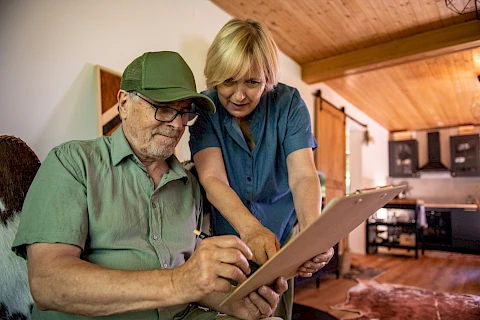
A veteran’s service history can still matter to their care today. Doctors and caregivers may find this information helpful, even if the veteran rarely talks about their service.
With Veterans Day on November 11, families have a natural opening to gather that history. Senior Helpers Grand Rapids shares how to collect and share it with respect.
What a Care Team Gains From the Details
Military service can involve exposures and experiences that civilian doctors don’t always ask about. Examples include
- Loud noise from equipment, aircraft, or weapons.
- Chemicals or other substances used in certain eras.
- Physical strain on joints and the back from heavy gear and demanding work.
A few basic facts help doctors ask better questions.
Service history can shape daily comfort, too. A caregiver who understands a veteran’s preferences and routines can support them without fuss.
What to Gather for a Veteran’s Service History
Start with the easy facts. Useful details include:
- Branch of service
- Rough years of service
- Rank, if known
- General locations or deployments
Discharge papers, often called DD-214, which is also worth adding to the medical folder if the veteran has a copy.
Don’t push for details the veteran would rather keep. Every veteran shares differently, and that is fine. A short written summary gives doctors the essentials without forcing a hard conversation in an exam room.
Sharing It With Respect
Ask the veteran first. They decide what goes on the page and who gets to see it.
When booking an appointment, mention that your loved one is a veteran and ask whether the office would like a copy of the summary. At the visit, let the veteran speak for themselves whenever they can. You can fill in a date or a unit name if they ask for help, but leave their stories to them, especially the painful ones.
In-home caregivers only need what helps with routines and comfort. Memories a veteran has chosen not to share stay theirs.
Getting Connected to the VA
Some veterans have never applied for VA care. The VA health care page explains how to apply, what services are available, and who is eligible. To find nearby clinics and centers, use the VA’s location finder.
A doctor should assess symptoms and guide medical decisions. A caregiver can help with medication reminders and rides to appointments, while the care team manages medical care.
Care That Respects Every Branch and Era
A veteran’s service history can be meaningful to share with someone who listens. Senior Helpers Grand Rapids offers companionship, support with everyday routines, and transportation to appointments, with caregivers who listen when a veteran wants to share.
We work in Grand Rapids, East Grand Rapids, Byron Center, Forest Hills, and Grandville. For support for the veteran in your family, contact us.