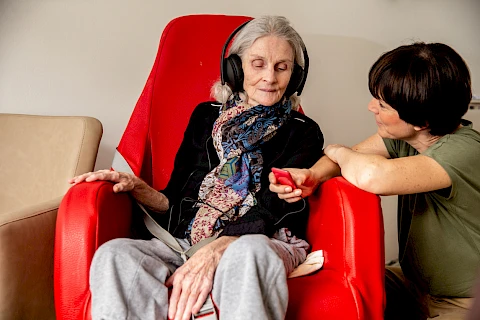
Music therapy for Parkinson's Disease is gaining ground as a valuable tool in healthcare, especially for those over 60. As an alternative approach, it offers a way to improve quality of life that goes beyond traditional treatments. For older adults and those who support them, exploring music-assisted rehabilitation can be a rewarding journey. Its growing popularity stems from its ability to engage the mind and body in unique ways, as Senior Helpers Bel Air will outline.
Understanding Music Therapy for Parkinson's Disease
Therapeutic music engagement involves using music to address physical, emotional, cognitive, and social needs. For those with Parkinson's, it can be transformative. Studies have shown that active music participation can enhance motor skills, uplift mood, and sharpen cognitive functions.
Rhythmic music, for instance, can help improve gait and balance. Slow melodies might reduce anxiety and improve mood by stimulating the release of happy chemicals in the brain. Cognitively, music can act as a mental exercise, enhancing memory and attention spans.
The Role of Caregivers in Auditory Therapy
Caregivers can create a comforting atmosphere by selecting familiar tunes or genres that resonate with their loved ones. It's important to gently encourage those over 60 to participate while being attentive to their responses and progress.
To set up music therapy for Parkinson's Disease, choose a quiet space with good lighting and minimal distractions. Make sessions enjoyable by incorporating favorite songs or instruments the older adult may have played in the past.
Practical Steps for Implementing Sound Therapy
Setting up music-assisted rehabilitation at home can be straightforward. Start by designating a specific time for music sessions, making it a routine. Use playlists that mix energetic and calming music. Online platforms offer countless pre-made playlists suitable for various moods and activities.
Begin by choosing a comfortable and safe room where your loved one feels at ease. Decide on an appropriate session length, starting with 15-30 minutes to avoid fatigue while still providing meaningful engagement. Use accessible devices like tablets, smartphones, or speakers to play music, ensuring the technology is simple enough for both you and your loved one to operate.
Get Comprehensive Support From Senior Helpers
Music therapy for Parkinson's disease improves motor skills and emotional well-being of those in their golden years. Caregivers can play a crucial role in facilitating this therapy, enhancing their loved ones' quality of life. Professional caregiving services like Senior Helpers Bel Air can assist with appointments and provide support, from driving to sessions to offering companionship. For those in Aberdeen, Abingdon, Bel Air, and surrounding areas, we are here to help bring the usefulness of therapeutic music engagement to daily life. Contact us today for more information about our in-home healthcare services.