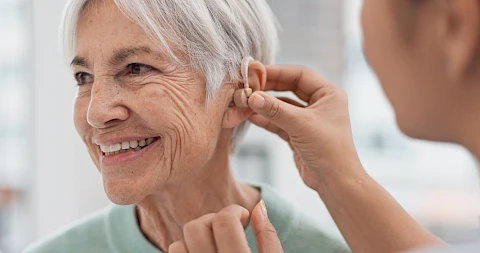
Age-related hearing loss, or presbycusis, affects about 1 in 3 seniors across the United States. Addressing this issue is crucial because it significantly impacts a senior's ability to communicate, feel connected, and maintain independence. We want to guide caregivers on supporting seniors with hearing loss, including tips on effective communication, hearing aid maintenance, and when to seek professional audiological care.
What Is Age-Related Hearing Loss?
The gradual degeneration of the inner ear structures typically causes this condition. Symptoms often include difficulty hearing in noisy environments, trouble following conversations, and frequent requests for repetition. Hearing loss can profoundly impact a senior's daily life and mental health, leading to feelings of frustration, loneliness, and even depression. Early detection and intervention can make a significant difference in managing these impacts and improving quality of life.
How to Communicate Through Hearing Loss
Clear and effective communication is key to supporting seniors with hearing loss. Here are a few tips:
- Speak clearly and slowly. Avoid shouting, as it can distort sounds.
- Face the person when talking to them, allowing the senior to pick up on visual cues and lip-read.
- Use non-verbal communication to enhance understanding. Gestures and facial expressions can be very helpful.
Additionally, creating a hearing-friendly environment can make a big difference. Reducing background noise during conversations and ensuring good lighting can help seniors follow discussions more easily.
Hearing Aid Maintenance and Care
For many seniors, hearing aids are essential tools for managing hearing loss. As a caregiver, you can assist in maintaining and caring for these devices. Check and replace batteries regularly to ensure the hearing aid is always functional. Clean the hearing aid daily to prevent wax buildup and other obstructions. Be aware of common issues, such as feedback or distorted sound, and address them promptly.
Encouraging consistent use of hearing aids is vital. Some seniors may feel self-conscious or find hearing aids uncomfortable. Reminding them of the benefits and helping them adjust to wearing the devices can lead to more consistent use.
Seeking Professional Audiological Care
Despite best efforts, there may come a time when a senior needs professional evaluation to manage their hearing loss effectively. Consider seeking audiological care if the senior frequently misunderstands conversations, experiences a significant decline in hearing, or finds their current hearing aids insufficient or uncomfortable.
Professional audiologists offer various services, from hearing assessments to fitting and adjusting hearing aids. Regular check-ups can ensure hearing aids remain effective and help catch any changes in hearing early, allowing for timely intervention.
Don't Let Hearing Loss Negatively Impact a Senior Loved One
Supporting a senior with hearing loss requires understanding, patience, and proactive steps. Remember, it's all about taking the steps needed to improve communication and maintain connections.
We can help. If you need personalized support or more guidance on supporting a senior with hearing loss, contact us at Senior Helpers East San Diego. Our team is here to assist families in La Mesa, San Diego, El Cajon, Santee, and Lakeside in navigating the challenges of hearing loss.