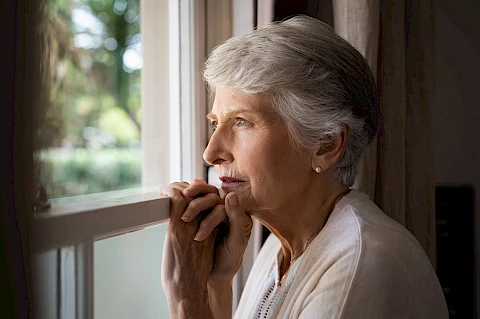
Many people experience anxiety, but it often goes unnoticed in seniors as it can manifest differently. Identifying it is crucial, though, because the condition can significantly impact their quality of life. It's something that both the elderly and their caregivers need to be on the lookout for. Discover the steps to take to manage it effectively.
What Does Anxiety Look Like in Seniors?
Anxiety can present itself in various ways. Some common signs and symptoms include:
- Excessive worry
- Restlessness
- Fatigue
- Trouble concentrating
- Irritability
Older adults might experience agitation that is more focused on health concerns, financial stability, or the well-being of family members.
Physical symptoms can also be prominent, including headaches, muscle tension, nausea, and insomnia. Emotional symptoms might include feelings of unease, nervousness, or panic. These signs can overlap with other common medical conditions, making diagnosis challenging.
Causes of Anxiety in Senior Years
Several factors can contribute to anxiety in later life. Major life changes like retirement, the loss of loved ones, or moving to a new living environment can disrupt a person's sense of stability. These transitions may leave senior citizens feeling uncertain or overwhelmed.
Health issues often add to the strain. Chronic illness, ongoing pain, and fears related to mobility or falling can lead to persistent worry.
Social connection is another important factor. Many older adults experience a shrinking social circle due to the death of friends or a change in daily routines. Limited mobility can also make it harder to maintain relationships. Over time, this can lead to feelings of loneliness and disconnection, which often intensify anxiety.
Coping Strategies for Seniors
There are several effective strategies that senior loved ones can use to manage anxiety:
- Mindfulness and relaxation techniques, such as deep breathing exercises, meditation, or yoga, can help calm the mind.
- Seniors should also strive to maintain social connections, whether through regular phone calls with family, participating in community activities, or joining clubs or groups.
- Physical activity is vital for both physical and mental health. Regular exercise can reduce restlessness and improve overall mood. Always check with a doctor before starting a new exercise routine.
- Maintaining a healthy lifestyle, including a balanced diet and adequate sleep, also helps.
Seeking Help and Resources
Know when to seek professional help. If anxiety interferes with daily activities or significantly impacts quality of life, it's time to consult a healthcare professional. Many resources are designed specifically for older adults.
Local counseling services and support groups can provide a safe space to talk and connect with others. Speaking with professionals who understand the unique experiences of aging can be especially helpful.
Some organizations offer programs tailored to seniors' needs, making it easier to find comfortable and appropriate care.
Are You or a Loved One Struggling With Anxiety?
Recognizing and addressing anxiety in older adults is essential for maintaining quality of life. If you are a senior struggling with anxiety or know someone who is, we can help.
Contact us at Senior Helpers Fresno for personalized support and assistance in managing anxiety for seniors in Fresno, Clovis, Hanford, Visalia, and Tulare. Our in-home care services can bring socialization and peace of mind to seniors who need it most.