Bones keep rebuilding themselves for as long as we live. The pull of working muscles and the push of body weight are part of what signals them to stay strong, which is one reason movement matters after 60. Senior Helpers acknowledges World Osteoporosis Day on October 20. This day emphasizes the importance of integrating weight-bearing activities into families' weekly routines. Still, always consult a doctor before trying new exercises.
Why Bones Respond to Load
Osteoporosis makes bones thinner and more porous, so a minor bump or fall can lead to a fracture. The National Institute on Aging explains the condition and its risk factors in plain terms. Exercise is only one piece of bone health, alongside diet, medications, and screening, and a doctor is the right person to sort through those with you.
Movement still earns its place. Activities that make you work against gravity, along with bone-strengthening exercises can improve muscles and give better stability.
Walking and Other Weight-Bearing Activities
Walking is the easiest place to begin. In Oakland, the path around Lake Merritt is flat and busy enough to feel safe, and the San Leandro shoreline offers long stretches with benches for breaks. Ten minutes is plenty at first. Add a few minutes each week if your knees and hips feel good the next morning.
Dancing in the kitchen counts too, as does climbing a few stairs with a hand on the rail or gardening that has you standing and kneeling. Swimming and cycling help the heart but put less load on bones and joints.
Simple Strength Moves at Home
Strength work doesn't require a gym. A few common moves, done slowly:
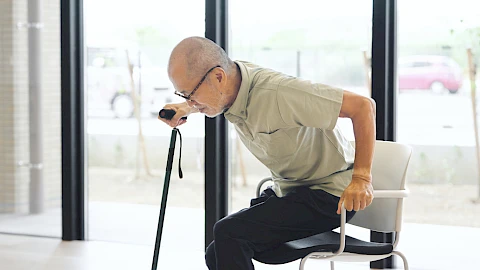
- Sit-to-stand: Rise from a sturdy chair without using your hands if you can, then sit back down with control.
- Wall push-ups: Stand an arm's length from a wall and lean in and out.
- Heel raises: Hold the back of a chair and lift onto your toes.
- Resistance bands: Light bands work the arms and shoulders.
The National Institute on Aging's overview of exercise types describes aerobic, muscle-strengthening, and balance activities, with examples for each. Those with osteoporosis should consult a doctor or physical therapist about safe movements, avoiding deep forward bending or twisting of the spine.
Balance Practice to Lower Fall Risk
Balance deserves as much attention as strength. You can practice this by standing on one foot next to the kitchen counter, or by walking heel to toe down a hallway. Tai chi works too.
Community and senior centers often list gentle movement classes for older adults, and it's smart to call ahead and ask about the pace before you sign up.
Around the house, supportive shoes with a firm heel grip better on hardwood floors, and loose throw rugs and lamp cords are safer to pick up or tucked behind the furniture. Sharp pain or dizziness means stop and call the doctor.
Staying Active With Compassionate Care and Support
At Senior Helpers Alameda, our caregivers help older adults engage in weight-bearing activities safely at home. They can walk alongside clients, give reminders about a routine the doctor approved, drive to exercise classes, and keep the house tidy so there's less to trip over. We work with families across Alameda, Castro Valley, San Leandro, and Oakland. Contact us to talk about support that fits your week.