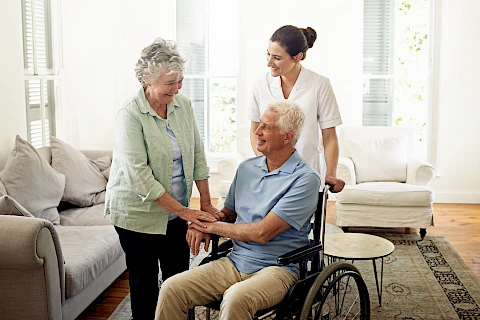
Recovering from surgery changes your calendar fast. The card game you played every Thursday, the walking group that meets at the park, the standing lunch with your sister, all of it can suddenly feel out of reach while you're healing. That shift is hard, and it's worth taking seriously rather than just waiting it out quietly.
Let People Come to You
In the first weeks after surgery, especially if mobility is limited, invite people into your space instead of trying to get out to theirs. A friend stopping by for tea, a grandchild doing homework at your kitchen table, or a neighbor from Oakland bringing over a meal all count as real social contact. Don't feel like you have to host formally. Most people are happy to keep things low-key if it means seeing you sooner rather than later.
Use the Phone More Than You Might Want To
Video calls and phone conversations aren't a replacement for being in the room with someone, but they matter more during recovery than they might normally. A ten-minute call with a friend in Castro Valley or a regular check-in with your book club can keep you looped into what's happening in other people's lives, which helps you feel less like recovery has put your world on pause.
Modify Instead of Cancel
Look at what made your old activities enjoyable and see if there's a scaled-down version available. If your walking group covered two miles around San Leandro and that's not possible yet, ask if you can join for the first ten minutes and head home while the group continues. If your bridge club meets at a location with stairs, suggest an alternate spot or ask if a rotating host could meet at your place for a few weeks. Most groups are more flexible than people expect, especially when someone is upfront about what they need.
Permit Yourself to Try New Things
Recovery sometimes reveals that an old activity isn't coming back the way it was, and that's a real loss worth acknowledging. It can also open the door to something new that fits your current abilities better. A seated exercise class, a discussion group at the library, or a hobby that doesn't require standing for long stretches can become a genuine source of connection, not just a placeholder until you're "back to normal."
Talk to Your Care Team About Pacing
Ask your doctor or physical therapist for a realistic timeline on returning to specific activities, and be honest about which ones matter most to you emotionally, not just physically. That information helps you plan which events to prioritize as your energy returns, rather than guessing. Staying socially engaged during recovery is linked to better outcomes overall, and the American Heart Association notes that strong social ties support cardiovascular health during recovery periods, not only day-to-day life.
Staying Connected Through Every Stage of Recovery
Recovery has its own pace, and staying social through it takes some creativity, but it's absolutely possible. Whether you're healing in Alameda, Castro Valley, San Leandro, or Oakland, our team at Senior Helpers can provide companion care, including transportation to appointments, help around the house, and companionship during the parts of recovery that feel isolating. Contact us to talk about support options while you get back on your feet.