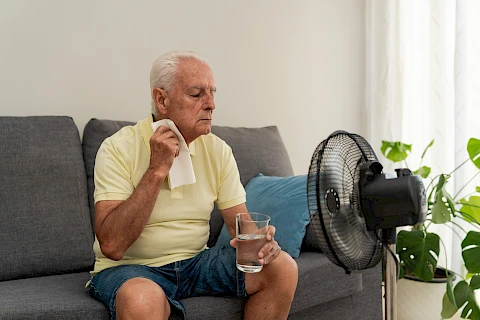
Summer is a favorite season for many, but rising temperatures can pose serious health risks for seniors. As summer approaches, we must focus on heat safety to protect our elderly loved ones. Washington experiences its fair share of warm weather, making heat safety even more needed for seniors. Explore why seniors are more vulnerable to heat, how to recognize the signs of heat stress, and practical ways to stay cool.
Heat-Related Risks for Seniors
As we age, our bodies become less efficient at regulating temperature, making seniors more susceptible to heat-related illnesses. There are several reasons for this increased vulnerability. Older adults tend to have a slower metabolism and sweat less, which impairs the body's natural cooling mechanisms. Medications common in older age, such as diuretics and antihistamines, can also interfere with the body's response to heat.
Heat-related illnesses can be severe, so knowing about them is paramount. Heat exhaustion is characterized by heavy sweating, weakness, and dizziness. If not addressed, it can escalate to heat stroke. Heat stroke is a dangerous condition that occurs when the body fails to regulate its temperature. Symptoms include confusion, fainting, and even seizures. It's a medical emergency requiring immediate intervention. Dehydration, more common in seniors, can lead to several health issues, aggravating the effects of heat on older adults.
Recognizing Signs of Heat Stress
We must catch symptoms of heat stress early to avoid consequences. Here are some signs to watch out for:
- Heavy sweating or no sweating
- Weakness or tiredness
- Headache
- Dizziness or fainting
- Muscle cramps
- Nausea or vomiting
- Rapid heartbeat or breathing
Recognizing these symptoms early can prevent serious complications. If you or someone you know shows these signs, act quickly by moving to a cooler place, drinking water, and getting medical help if necessary.
Practical Tips for Staying Cool
Keeping cool during hot weather is necessary for seniors. To maintain a comfortable indoor temperature, use fans or air conditioning. Closing blinds or curtains during the hottest part of the day can also help keep out the heat. For clothing, opt for light-weight, loose-fitting options in light colors to help the body stay cool. Avoid dark colors that absorb heat.
Staying hydrated is also wise. Drink plenty of water throughout the day, even if you don't feel thirsty. Avoid caffeinated or alcoholic beverages, as they can lead to dehydration. If you enjoy being outdoors, schedule activities in the early morning or late evening when temperatures are lower.
Community Resources and Support
There are several resources available to help seniors beat the heat. Local cooling centers offer a refuge during extreme heat. Check with community centers or libraries to find one nearby. Participating in community programs focused on senior health and safety can also provide valuable information and support.
Family members and caregivers should ensure the safety of seniors during the summer. Regularly check in on older relatives or neighbors to ensure they manage the heat effectively. Encourage them to follow heat safety guidelines and assist them in accessing community resources if needed.
Stay Cool This Summer with Help from Senior Care Services
Proactive heat safety measures can significantly benefit seniors' well-being during the hot summer months. Understanding the risks, spotting early signs of heat stress, and taking simple precautions can go a long way in keeping older adults safe from heat-related illnesses. Contact us at Senior Helpers Greater Puyallup for those needing personalized support and assistance in the Federal Way, Sumner, Tacoma, and Pacific areas. Together, we can ensure our seniors stay safe and comfortable in the heat.