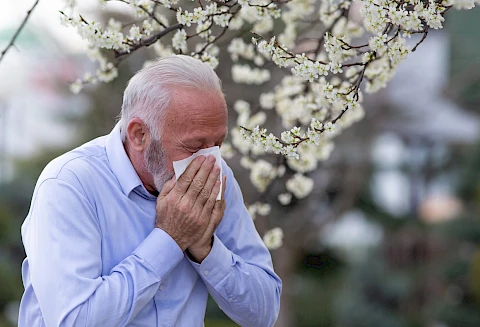
Spring is a season full of beauty, but for many seniors, it also brings the challenge of seasonal allergies. These allergies can make outdoor activities uncomfortable, yet fresh air and time in nature are essential for maintaining physical and mental well-being. Fortunately, seniors don’t have to stay inside to avoid allergy symptoms. With the right strategies in place, you can still enjoy the beauty of spring while managing allergy discomfort. Let’s discuss practical tips for seniors to enjoy the outdoors without being held back by seasonal allergies.
What Are Seasonal Allergies?
Seasonal allergies, often caused by pollen, dust, or mold, can lead to symptoms like sneezing, itchy eyes, and runny noses. Seniors may experience these symptoms more intensely, and allergies can sometimes trigger other health issues such as asthma. You need to pay attention to how allergies affect you or your loved ones and consider consulting with a healthcare provider. They can help tailor strategies specific to your needs.
Timing Your Outdoor Activities
Managing outdoor time wisely can greatly reduce allergy discomfort. Consider when you plan your outings. Early mornings and late afternoons are generally better times to venture outside, as pollen counts are typically lower. Windy days can escalate pollen, so it's best to head out when the breeze is calm. Weather forecasts and pollen counts available online or through local news can help you plan the best times for your activities.
Choosing the Right Locations
Where you spend time outdoors also plays a big part in managing allergies. Look for places that have fewer allergen-producing plants. In areas like Auburn, Federal Way, Pacific, Milton, Puyallup, Sumner, and Tacoma, parks with less dense vegetation or fewer flowers will help reduce exposure to pollen. It’s also a good idea to avoid areas with large flower fields or heavily manicured gardens.
For additional advice, ask local park staff about the best spots for those with allergies. By choosing allergy-friendly locations, you can make your outdoor time more enjoyable.
Preparing for Outdoor Activities
With the right preparation, you can enjoy the outdoors more comfortably. Consider these practical steps:
- Wear protective clothing such as hats and sunglasses. This can keep pollen away from your eyes and hair.
- Consider using nasal sprays or wearing an allergy mask, which can provide relief and keep allergens at bay.
- Keep home and car windows closed during high pollen times, often midday, to ensure you're not letting allergens into your living space.
Consulting With Healthcare Providers
Staying in touch with your healthcare provider is an important part of managing allergies. They can suggest medications to alleviate symptoms and help ensure they don’t interfere with other treatments. Some medications may not mix well with those commonly prescribed to seniors, so it’s essential to consult your doctor before making any changes. Additionally, your provider might suggest alternative treatments, such as saline nasal rinses or specific supplements, to help manage your allergies more effectively.
Enjoy the Outdoors Without the Allergies
Managing seasonal allergies doesn’t have to mean staying indoors. By timing your outdoor activities, selecting the right locations, preparing for exposure, and working with your healthcare provider, you can still enjoy the fresh air and natural beauty of the season. Whether it's taking a walk in a local park or simply spending time in your garden, it’s possible to stay active while managing allergy symptoms.
Don't let allergies keep you or your loved ones from engaging with nature and staying active. If you need personalized support, contact Senior Helpers Greater Puyallup. We're here to assist you in enjoying all that spring has to offer without the discomfort of allergies. Stay active, stay engaged, and enjoy the beauty of the season!