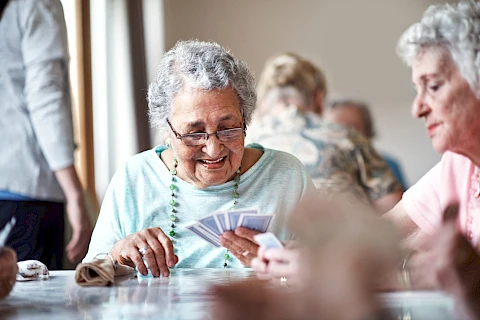
Social opportunities often change as people grow older. Retirement, the loss of loved ones, health changes, or relocating may reduce the chances seniors have to spend time with others. Social Wellness Month in July highlights the value of helping older adults find regular activities and meaningful relationships. Family members and caregivers can help by identifying opportunities that match their loved one’s interests, such as a weekly card game, class, or volunteer opportunity that provides a reason to get out and meet others.
Start With What They Already Enjoy
Finding social opportunities often begins with activities a senior already enjoys. Familiar interests may make it easier to join a group and meet people with similar experiences. A lifelong gardener may enjoy a gardening club, while someone who enjoyed card nights may find a bridge or game group nearby. Reading, music, crafts, cooking, and volunteering may also lead to recurring gatherings. Family members can check local libraries, recreation centers, senior centers, faith communities, and online calendars for programs that match their loved one’s interests and preferences.
Finding Programs Through Senior and Recreation Centers
Senior and municipal recreation centers throughout the Puget Sound region are practical places to look for regular activities that match a senior’s interests and schedule. These organizations offer programs such as art classes, music groups, card games, discussion groups, workshops, and social gatherings. Family members can check activity calendars, call the front desk, and ask about programs that may be a good fit. Choosing a class or group that meets regularly may help seniors become familiar with other participants over time. For a first visit, a family member may offer to attend together and help make the introduction easier.
Look for Recurring Community Opportunities
Recurring meetups may give seniors more chances to become familiar with others and develop friendships over time. Faith communities, hobby clubs, volunteer groups, and local organizations often offer weekly or monthly gatherings. Family members can find these opportunities through community calendars, public libraries, Area Agencies on Aging, and senior center programs. The National Institute on Aging also offers tips for helping older adults stay socially engaged.
Helping Without Taking Over
Offer choices instead of a single plan and let your loved one decide what interests them. Seniors who value independence may be more willing to try an activity when they feel involved in the decision. Providing two or three options may make the process feel more personal.
Making Community Activities More Accessible for Seniors
Finding the right social opportunities may take time, but a recurring activity or familiar gathering may give seniors something to look forward to each week. Family members can help by identifying programs that match their loved one’s interests and abilities.
For some seniors, getting involved in the community may require more than finding the right activity. Help with transportation, daily routines, or having a familiar companion makes it easier to attend a class, visit a senior center, or participate in a local group. Senior Helpers Edmonds provides personalized care for older adults in Mukilteo, Edmonds, Lynnwood, Mountlake Terrace, and Seattle that helps them take part in activities they enjoy, whether that means attending a senior center program, participating in a favorite hobby group, or having someone accompany them during outings and appointments. Contact us to learn how in-home care may help your loved one take part in more community activities.