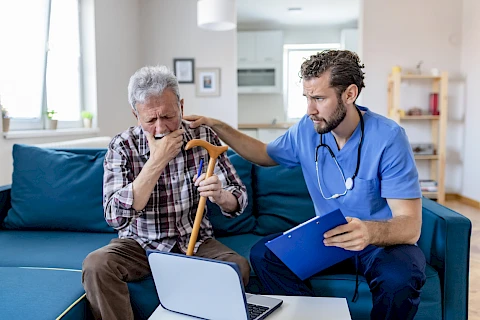
Post-Traumatic Stress Disorder (PTSD) is a mental health condition that affects many military veterans, including those who served long ago and are now seniors. We must recognize and address PTSD in our senior loved ones to improve their quality of life. Family members and caregivers who are seeking ways to support their senior loved ones suffering from PTSD can use this guide for assistance.
Recognizing Signs of PTSD in Seniors
Recognizing the signs of PTSD in seniors is the first step in providing help. Common symptoms in older adults include:
- Flashbacks or nightmares reliving traumatic events.
- Emotional numbness or detachment from family and friends.
- Irritability or sudden mood swings.
- Difficulty concentrating or memory problems.
Seniors may display symptoms differently than younger individuals. For instance, they might show more signs of depression than aggression. Changes might be gradual, so family members must be observant. Early recognition can lead to more effective interventions and a better outcome.
Steps to Take After Recognizing PTSD Symptoms
Once you've noticed signs of PTSD, the next step is to approach the situation with care and understanding. Engage in open and supportive communication to encourage your loved one to express their feelings and experiences. Do not force the conversation but instead offer a listening ear.
Another necessary part of the process is seeking a professional evaluation. This will help in getting an accurate diagnosis. A mental health professional can confirm if PTSD is present and suggest a treatment plan. Your role as a family member is to support your loved one through this process, encouraging them to attend appointments and follow through with recommendations.
Helping Seniors Access Appropriate Medical Treatment
Several treatment options are available for seniors suffering from PTSD, including therapy and medication. Cognitive Behavioral Therapy (CBT) and Eye Movement Desensitization and Reprocessing (EMDR) are effective therapeutic methods. Medications can also help manage symptoms such as anxiety and depression.
Finding the right mental health professional is requisite. Look for qualified therapists or counselors in the San Antonio area with experience treating older veterans. Personalized care plans are beneficial, as they cater specifically to your loved one's unique needs.
Ensuring Ongoing Support and Care
Besides professional treatment, you must also create a supportive home environment. Make home a place of safety where your loved one feels comfortable and understood. Encourage them to maintain a routine, as consistency can be grounding.
Engaging with the community is a beneficial strategy. Many support groups and activities exist in San Antonio for veterans. These groups offer a sense of belonging and understanding, which can be very healing.
Regular follow-ups with healthcare providers are critical, as care plans may need adjustments over time. Show your support by attending appointments with your loved one and discussing any changes with their healthcare team.
Get Veteran Care From Senior Helpers Greater San Antonio
Recognizing and addressing PTSD in senior loved ones is necessary for their well-being. By taking proactive steps like identifying symptoms, seeking professional help, and providing ongoing support, you can make a significant difference in your loved one's life. For personalized support and care services in San Antonio, Kerrville, Castroville, Poteet, and Floresville, contact us at Senior Helpers Greater San Antonio today.