In-Home Senior Care: Essential Guide to Home Care Solutions
Skip main navigation
Type Size
Past main navigation Contact Us

What is in home Senior Care

In-home senior care is a growing trend. It allows seniors to receive care in their own homes. This option offers comfort and familiarity, and many families are considering this choice. It provides a range of services tailored to individual needs, and from medical care to companionship, the options are vast. Companion care is a key component, and it focuses on emotional support and social interaction. This helps seniors feel connected and less isolated. Senior home care can be customized, and it includes assistance with daily activities like bathing and meal preparation. This helps maintain independence. Home care solutions are flexible, and they can be part-time, full-time, or as-needed. This flexibility suits different family dynamics. In-home care is often more affordable than nursing homes, and it can be a cost-effective solution for many families. The demand for in-home care is rising, and as the population ages, more families seek these services. Understanding in-home senior care is crucial because it helps families make informed decisions for their loved ones.


Understanding In-Home Senior Care

In-home senior care caters to the unique needs of elderly individuals. It offers an alternative to assisted living facilities by providing care in a familiar setting. Families find reassurance knowing their loved ones are in a comfortable environment.

A wide range of services fall under in-home senior care. These services can be medical, non-medical, or a blend of both. Medical services might include medication management or physical therapy, while non-medical services could consist of personal care or transportation.

The type of care required usually depends on the individual’s health and personal preferences. Some seniors may need just a little help, while others might require more intensive support.

The benefits of staying at home are numerous. Seniors can maintain their routines and continue to lead a life they are accustomed to. This can significantly boost their emotional well-being.

A personalized care plan is essential. It should address the physical, emotional, and social needs of the senior. Creating a holistic approach ensures all aspects of care are covered.

Benefits of In-Home Senior Care include:

  • Enhanced emotional well-being
  • Personalized attention
  • Flexibility in care
  • Familiar environment
  • Continuity of daily routines

Understanding these components is vital. It helps families make more informed decisions about their loved ones' care. Families are encouraged to explore all options and tailor plans based on specific needs.


Types of In-Home Senior Care Services

In-home senior care encompasses a broad spectrum of services designed to meet diverse needs. Identifying the right type of care ensures seniors receive appropriate support while maintaining independence.

These services are generally categorized into three main types:

  1. Companion care: Offers emotional support, companionship, and assistance with social activities.

  2. Personal care services: Focus on helping seniors with daily living tasks like bathing and dressing.

  3. Specialized care: Provides targeted support for seniors dealing with specific health conditions, such as dementia or Alzheimer's.

Each type of care addresses different aspects of a senior's life. Companion care can be essential for those feeling isolated, while personal care services tackle daily practical needs.

Seniors with chronic or severe conditions often benefit from specialized care. This care requires a deeper understanding of the medical needs and involves more intensive support.

A personalized approach is critical when choosing care types. Factors like health conditions, lifestyle preferences, and social needs play a significant role.

Navigating the options might seem overwhelming. Families should consider consulting a professional to ensure all aspects of care are evaluated. Tailoring services to fit individual needs ensures that seniors receive comprehensive and compassionate care.

Companion Care: Emotional Support and Socialization

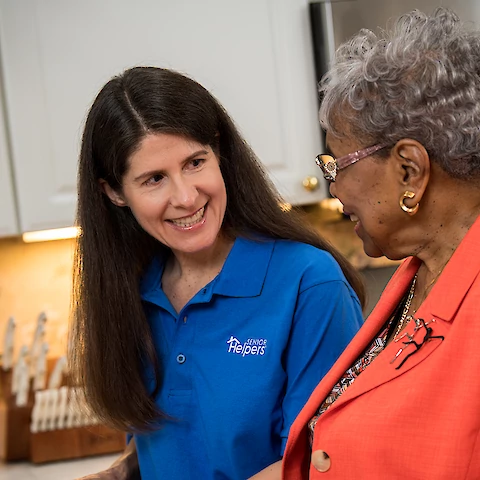
Companion care is vital for seniors who live alone. It focuses on providing emotional support and preventing loneliness. This type of care is not only about assistance but also about enriching seniors' social lives.

Companions often help with activities. These might include playing games, going for walks, or sharing meals together. Such activities can greatly enhance a senior’s quality of life.

Key aspects of companion care:

  • Emotional and social support
  • Engaging in recreational activities
  • Preventing isolation and loneliness

The role of a companion can be transformative. By fostering connections, they help combat depression and anxiety. This is especially crucial as maintaining mental health is as important as physical care. With a focus on building relationships, companions can become like family. Their presence brings comfort and a sense of security to seniors.The benefits of companion care extend beyond the seniors. Families also find relief knowing their loved ones are engaged and safe.

Personal Care Services: Daily Living Assistance

Personal care services focus on the essential daily tasks that seniors might struggle with. These services are especially beneficial for seniors who need help with activities of daily living (ADLs).

Tasks often assisted with include bathing, dressing, and grooming. Caregivers ensure seniors maintain personal hygiene while respecting their dignity and autonomy.

Common personal care tasks:

  • Assistance with bathing and hygiene
  • Dressing and grooming support
  • Meal preparation and feeding assistance

Seniors often feel a sense of independence with tailored personal care services. This balance between care and independence is vital for their self-esteem. Caregivers play a critical role in observing the senior's condition. They provide feedback that can be essential for healthcare providers.

Families can rest assured that their loved ones are receiving compassionate care. Personal care services are not only about assistance but also about enhancing the senior's overall well-being.With dedicated personal care, seniors can maintain a sense of routine and normalcy. This element of care is crucial in helping them lead a dignified and fulfilling life.

Specialized Care: Dementia, Alzheimer’s, and Chronic Conditions

Specialized care addresses the needs of seniors with conditions like dementia and Alzheimer’s. This care requires expertise and a deep understanding of complex health issues.

It involves creating a structured environment. This ensures safety and helps manage the progression of these conditions. Specialists are trained to address both physical and emotional challenges.

Core components of specialized care:

  • Memory care support
  • Management of behavioral challenges
  • Tailored activities to stimulate the mind

Care often includes memory exercises and structured routines. These activities are designed to slow cognitive decline and promote engagement. Families benefit from peace of mind knowing trained professionals handle their loved one's care. Specialized services can significantly improve the quality of life for affected seniors.

Implementing such care can be challenging. However, the positive impact on seniors' health and well-being is substantial. Specialized care is often a collaborative effort. It involves healthcare providers, caregivers, and family members working together to create a comprehensive care plan. This holistic approach ensures all aspects of a senior's needs are addressed effectively.


Benefits of In-Home Senior Care

In-home senior care offers numerous advantages for both seniors and their families. One of the main benefits is allowing seniors to remain in their own homes. This comfort can greatly improve their quality of life and emotional well-being.

Staying at home provides seniors with a sense of independence. They can maintain their routines and enjoy the familiarity of their surroundings. This familiarity is often associated with better mental health outcomes.

Here are a few key benefits of in-home senior care:

  • Promotes emotional well-being and independence
  • Cost-effective compared to residential facilities
  • Personalized care tailored to individual needs

In-home care is often more affordable than assisted living or nursing home care. This cost-effectiveness is particularly important for families managing tight budgets. Personalization is another benefit, as care plans can be customized to meet specific needs and preferences. This ensures seniors receive precisely the support they require.

Finally, in-home care provides peace of mind to family members. Knowing that their loved ones are receiving professional care offers reassurance, reducing stress and anxiety for everyone involved. Through these comprehensive benefits, in-home senior care emerges as an invaluable option for aging individuals and their families.

How to Choose the Right Home Care Solutions

Choosing the right home care solutions is crucial for a senior's health and happiness. This decision requires careful thought and research. Consider both the current and future needs of your loved one when making this choice.

Identify the specific services required. Does the senior need help with daily activities, or is there a need for specialized care? Understanding these needs helps narrow down options.

Evaluate potential care providers by checking their credentials and reputation. Look for providers with positive reviews and testimonials. It’s essential to ensure they meet industry standards.

Here are a few factors to assess in home care providers:

  • Experience and qualifications of caregivers
  • Range of services offered
  • Flexibility of scheduling and availability

Schedule interviews with different providers to understand their approach. Ask questions about their caregiving practices and support systems in place. This dialogue provides insight into whether their services align with your expectations.

Another important consideration is budget. Discuss costs and payment options with care providers to ensure affordability. Many offer various payment plans or accept insurance, so explore these avenues to mitigate financial strain.

Choosing home care solutions can be complex. Nonetheless, focusing on personalized needs, reputable providers, and financial feasibility will lead to an informed decision.

Costs and Payment Options for Senior Home Care

Understanding the costs associated with senior home care is essential. Expenses can vary based on the level and type of care needed. It's important to consider these factors when planning a budget.

Hourly rates can differ significantly between providers. Factors such as location and services can influence pricing. Research and compare various agencies to find the best fit for your budget.

Discuss payment options with potential care providers. Many accept insurance, which can offset some expenses. Check if your loved one's insurance covers home care services. This can greatly alleviate financial concerns.

Some common payment methods include:

  • Private pay from personal savings or income
  • Long-term care insurance policies
  • Government programs like Medicaid or Veterans benefits

It's vital to understand and plan for the financial aspects. By exploring different options, families can ensure they select a feasible and sustainable care solution.

Creating a Personalized Care Plan

A personalized care plan is crucial for effective senior home care. It should address the unique needs and preferences of your loved one. Tailoring care ensures that they receive the most appropriate support.

Begin by assessing the senior’s daily requirements. Consider their physical, emotional, and social needs. This comprehensive evaluation helps in crafting a well-rounded care plan.

Regularly update the care plan as needs change. A flexible plan adapts to new challenges and opportunities. This ensures ongoing suitability and effectiveness.

Key components of a personalized care plan might include:

  • Daily living assistance needs
  • Specific health conditions and management
  • Preferred schedule and routines
  • Emotional and social support strategies

Involving family members in the planning process can enhance the care experience. Their insights and support help create a holistic approach to caregiving.

The Role of Family and Professional Caregivers

Family caregivers often play a crucial part in senior home care. Their involvement can be comforting for the senior. Familiar faces provide emotional support and familiarity.

Professional caregivers bring expertise to the table. They are trained in handling diverse needs effectively. This professional touch can address complex health issues seamlessly.

Collaboration between family and professional caregivers is vital. It ensures comprehensive care for the senior. Both parties can share responsibilities, improving overall care quality.

Essential responsibilities for caregivers may include:

  • Assisting with personal care tasks
  • Managing medications and health care needs
  • Coordinating with healthcare providers
  • Providing companionship and emotional support

Open communication is key in this collaborative approach. Regular updates and feedback help maintain a high standard of care. This partnership fosters a nurturing and supportive environment for the senior.

Technology and Innovations in Home Care

Technology is revolutionizing in-home senior care. Digital tools enhance the care experience. They provide seniors with more independence and security.

Innovations like telehealth offer virtual medical consultations. This reduces the need for travel. Seniors can access health services from home.

Remote monitoring systems track vital signs and activity. They alert caregivers to potential health concerns. This proactive approach improves safety and well-being.

Key technological innovations include:

  • Telehealth platforms for virtual doctor visits
  • Wearable devices for health monitoring
  • Smart home systems for enhanced safety
  • Mobile apps for medication reminders and scheduling

Incorporating technology in home care can improve overall satisfaction. It offers seniors a chance to stay connected and engaged. This fosters a more supportive and responsive care environment.

Ensuring Quality and Safety in In-Home Care

Quality and safety are essential in senior home care. They ensure a nurturing environment for your loved ones. Providers must prioritize these aspects to deliver effective care solutions.

When choosing care, assess provider qualifications. Experienced caregivers are crucial. They possess the skills needed to handle emergencies.

Regular home assessments are important. They identify potential safety hazards. With these checks, caregivers can create a safer living space.

Key points for ensuring quality and safety include:

  • Verifying caregiver credentials
  • Conducting regular home safety evaluations
  • Maintaining open communication with providers
  • Implementing a clear care plan and schedule

Selecting a reputable provider enhances care quality. It instills confidence in their services. Thoughtful planning ensures a secure and comfortable environment for seniors.

Conclusion: Is In-Home Senior Care Right for Your Loved One?

Deciding on senior care is significant. In-home care keeps seniors in familiar surroundings, promoting comfort and independence. Evaluate personal needs, preferences, and financial considerations carefully.

Discuss options with your family and healthcare providers. A well-informed decision ensures quality care tailored for your loved one. In-home senior care can be an ideal solution for aging at home.


Frequently Asked Questions About In-Home Senior Care

Frequently Asked Questions About In-Home Senior Care

In-home senior care raises many questions. Understanding the options helps in making informed decisions. Here are some common inquiries.

What services are included? 

In-home care services range from personal care to medical assistance. They can be tailored to individual needs.

How do I choose a caregiver?

Look for qualified professionals. Verify their credentials and experience.

Is in-home care affordable? 

Costs vary based on services provided. Explore insurance options for coverage.

Common questions about in-home care include:

  • Availability of services
  • Costs and payment plans
  • Choosing the right caregiver
  • Customizing care plans
  • Insurance and funding options

Communicating with providers clarifies doubts. It ensures you make the best choice for your loved one's care. Choosing the right care can be overwhelming. Addressing your questions simplifies the process.