

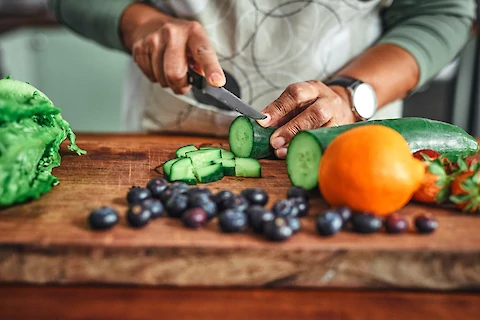
About 20% of the water most people take in each day comes from food, and for seniors who don't like plain water, foods and other drinks can make up much of the difference. Older adults are at higher risk of dehydration because the sense of thirst weakens with age and the kidneys conserve water less efficiently. Dehydration can lead to dizziness, falls, constipation, urinary tract infections, and confusion. Herbal tea, hydrating fruits and vegetables, soups, popsicles, and smoothies all help seniors stay hydrated without forcing down glass after glass of water.
Why Hydration Matters More for Seniors
Water helps regulate body temperature, keeps joints cushioned, supports digestion, and helps the kidneys clear waste. Many medications seniors take, including diuretics and some blood pressure drugs, increase fluid loss. Even mild dehydration can make an older adult feel tired, lightheaded, or foggy, and it's a common reason for hospital visits in this age group.
1. Herbal Tea
Herbal tea counts fully toward daily fluids and offers a warm, comforting option in cooler months or an iced one in summer. Caffeine-free choices like chamomile, peppermint, rooibos, and hibiscus can be enjoyed any time of day. A pitcher of iced herbal tea in the refrigerator makes it easy to grab a glass.
2. Water-Rich Fruits and Vegetables
Many fruits and vegetables are more than 85% water. Watermelon, cantaloupe, strawberries, oranges, cucumbers, celery, lettuce, zucchini, and tomatoes all add fluid along with vitamins, minerals, and fiber. Keeping cut fruit and sliced vegetables ready in the refrigerator makes them an easy snack between meals.
3. Broth-Based Soups
Soup is one of the easiest ways to add fluid at mealtime, especially for seniors with small appetites. Chicken noodle, vegetable, minestrone, and miso soups provide water along with nutrients. Choose low-sodium broth, especially for seniors watching their blood pressure.
4. Popsicles and Gelatin
Frozen treats are a fun way to add fluid on hot days or when a senior isn't interested in drinking. Homemade popsicles made from 100% fruit juice, pureed fruit, or yogurt avoid the added sugar in many store-bought versions. Gelatin cups also count toward fluid intake and are easy to eat for seniors who have trouble swallowing thin liquids.
5. Smoothies
Smoothies combine fluid with nutrition in one glass. Blending milk or yogurt with fruit and a handful of spinach creates a drink that hydrates while adding protein, calcium, and vitamins. Smoothies work especially well for seniors who struggle to eat full meals.
How to Stay Hydrated Without Running to the Bathroom
Many seniors drink less because they worry about frequent bathroom trips, especially at night. Spreading fluids out with small sips through the day is easier on the bladder than drinking a lot at once. Front-loading fluids in the morning and early afternoon and tapering off in the two hours before bed can reduce nighttime trips. Limiting caffeine and alcohol helps too, since both can increase urination.
Signs of Dehydration to Watch For
Common warning signs in older adults include dark yellow urine or urinating less often, dry mouth, headaches, fatigue, dizziness when standing, constipation, and new confusion. Severe dehydration, with a fast heartbeat, fainting, or very little urine, needs medical attention right away.
Hydration Support at Home From Senior Helpers
Staying hydrated is easier with someone keeping track. Senior Helpers caregivers offer drinks throughout the day, prepare hydrating meals and snacks, and provide medication reminders as part of companion care at home. Find a Senior Helpers office near you to learn more.