

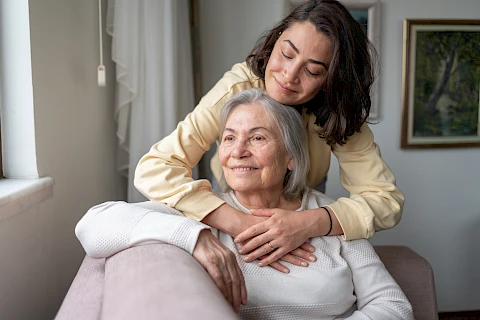
Each June, Alzheimer’s & Brain Awareness Month shines a spotlight on the importance of brain health and raises awareness about Alzheimer’s disease and other forms of dementia. Millions of individuals and families are affected by memory loss and cognitive decline, making education, early recognition, and support more important than ever.
At Senior Helpers, we understand the challenges families face when a loved one experiences changes in memory, thinking, or behavior. Through compassionate care and specialized dementia support, we help older adults maintain their dignity, independence, and quality of life while providing families with guidance throughout their caregiving journey.
Understanding Alzheimer’s Disease
Alzheimer’s disease is the most common cause of dementia, accounting for an estimated 60% to 80% of dementia cases. Dementia is not a specific disease but rather a general term describing a decline in cognitive abilities severe enough to interfere with daily life.
Alzheimer’s is a progressive brain disease that gradually affects memory, thinking, reasoning, and behavior. Symptoms often develop slowly and worsen over time, though the progression varies from person to person.
While there is currently no known cure for Alzheimer’s disease, early diagnosis can help individuals and families access available treatment options, support services, and care strategies that may help improve quality of life and prepare for future care needs.
Recognizing the Early Warning Signs
Many people occasionally forget names, appointments, or where they placed their keys. However, some memory changes may indicate something more serious.
Common warning signs of Alzheimer’s disease include:
- Memory loss that disrupts daily life
- Difficulty completing familiar tasks
- Challenges with planning or problem-solving
- Confusion with time or place
- Trouble finding the right words during conversations
- Frequently misplacing items and being unable to retrace steps
- Poor judgment or decision-making
- Withdrawal from social activities, hobbies, or work
- Changes in mood, personality, or behavior
If you notice these signs in yourself or a loved one, it is important to consult a healthcare professional for a thorough evaluation. Early detection can provide access to resources and support that may benefit both the individual and their family.
Why Brain Health Matters
Brain health plays an important role in overall well-being as we age. While there is no guaranteed way to prevent Alzheimer’s disease, research suggests that certain healthy lifestyle habits may support cognitive function and overall brain health.
Stay Physically Active
Regular physical activity supports overall health and may benefit brain health as well. Activities such as walking, swimming, stretching, gardening, or participating in senior fitness programs can help older adults remain active and engaged.
Keep Your Mind Engaged
Challenging the brain through mentally stimulating activities can help support cognitive health. Consider activities such as:
- Reading books or articles
- Solving puzzles and word games
- Learning a new skill or hobby
- Taking educational classes
- Playing music or learning a musical instrument
Maintain Social Connections
Strong social connections contribute to both emotional and cognitive well-being. Spending time with family and friends, participating in community events, joining clubs, or volunteering can help older adults stay engaged and connected.
Focus on Healthy Eating Habits
A balanced diet that includes fruits, vegetables, whole grains, lean proteins, and healthy fats can support overall health. Staying hydrated is also an important part of maintaining wellness.
Prioritize Quality Sleep
Sleep is essential for overall health and plays an important role in cognitive function. Establishing consistent sleep routines and addressing sleep concerns with a healthcare provider can support healthy aging.
Supporting a Loved One Living with Alzheimer’s
Caring for someone with Alzheimer’s disease often requires patience, flexibility, and understanding. As symptoms progress, family members may find themselves assisting with daily tasks, transportation, medication reminders, and personal care needs.
Some helpful caregiving strategies include:
- Creating consistent daily routines
- Using simple and clear communication
- Reducing distractions during conversations
- Encouraging participation in familiar activities
- Providing reassurance during moments of confusion
- Focusing on remaining abilities rather than limitations
Every person living with Alzheimer’s experiences the disease differently. Taking a person-centered approach can help caregivers better understand and respond to their loved one’s unique needs.
Caring for the Caregiver
Family caregivers play an essential role in supporting loved ones living with dementia, but caregiving can also be physically and emotionally demanding.
It is important for caregivers to prioritize their own well-being by:
- Asking family members for support
- Taking regular breaks
- Joining caregiver support groups
- Maintaining personal hobbies and interests
- Seeking professional care assistance when needed
Remember, caring for yourself is an important part of caring for someone else.
Specialized Alzheimer’s and Dementia Care from Senior Helpers
At Senior Helpers, we recognize that caring for someone with Alzheimer’s disease or another form of dementia requires specialized knowledge and a compassionate approach.
Our Alzheimer’s and dementia care services are designed to support individuals at every stage of the disease while helping families navigate the challenges that often accompany cognitive decline.
Our caregivers receive specialized training to better understand dementia-related behaviors, communication challenges, and individualized care techniques. Through a person-centered approach, we focus on promoting comfort, engagement, safety, and quality of life.
Whether your loved one needs companionship, personal care assistance, respite care, or more comprehensive dementia support, Senior Helpers is here to help.
Raising Awareness This Alzheimer’s & Brain Awareness Month
Alzheimer’s & Brain Awareness Month serves as a reminder of the importance of education, understanding, and support for those affected by Alzheimer’s disease and other forms of dementia.
By learning the warning signs, prioritizing brain health, and supporting individuals and families living with dementia, we can help build more informed and compassionate communities.
If you have concerns about a loved one’s memory or cognitive health, speaking with a healthcare professional is an important first step. For families navigating an Alzheimer’s or dementia diagnosis, having the right support system can make a meaningful difference.
Learn More About Senior Helpers’ Alzheimer’s & Dementia Care Services
Senior Helpers is committed to helping older adults live safely and comfortably while providing families with the support they need. Contact your local Senior Helpers office today to learn more about our specialized Alzheimer’s and dementia care services and how we can help your loved one maintain the highest possible quality of life.