

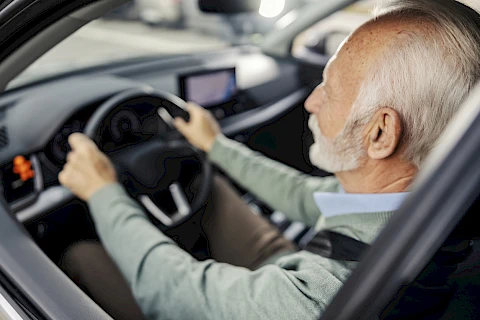
Night driving can feel completely different from daytime driving, and that's true at any age. But for seniors, a few specific changes in vision, reaction time, and overall comfort behind the wheel can make night driving feel less certain. June is Safety Month, and this is a good time to reflect on seniors' driving habits and whether a few adjustments could make the experience both easier and safer for them.
What Changes With Age and Driving After Dark
The pupil shrinks with age and adjusts more slowly to low light, so seniors’ eyes take longer to adapt when transitioning from bright to dark environments. Headlight glare from oncoming traffic, which has always been a nuisance, can become more distracting. Seniors might also notice that street signs seem harder to read at speed, or that judging distances at intersections takes a beat longer than it used to.
Peripheral vision can also narrow slightly over time. Conditions such as early cataracts or dry eyes can amplify these challenges. None of this means seniors need to stop night driving. However, it's worth paying attention to how they feel during and after nighttime trips.
Older drivers can mitigate many nighttime driving challenges through a combination of regular vision exams, vehicle upkeep, and route planning. These are adjustments worth making.
Steps to Make Night Driving More Comfortable
There are several helpful ways to make night driving easier and more comfortable for seniors:
Keep Windshields and Mirrors Clean
A smudged windshield scatters light badly, turning every headlight into a haze. A quick wipe of the interior glass makes a bigger difference than most people expect.
Have Seniors' Eyes Checked Regularly
An updated eyeglass prescription can sharpen seniors' ability to read signs and judge distances after dark. If an eye doctor mentions early cataracts, ask about their options. Cataract surgery is one of the most common and successful procedures for adults over 65, and many people describe it as transformative for their driving confidence.
Know High-Risk Intersections
If there's a stretch of road that feels uncomfortable at night, whether because of poor lighting, a tricky left turn, or heavy traffic patterns, plan the route to avoid it when possible. There's no penalty for choosing a different way home.
Adjust Headlights and Mirrors
Headlights aimed even slightly off can reduce seniors' sight distance. A mechanic can check the alignment in a few minutes. Anti-glare mirrors on the interior rear-view also reduce the blinding effect of headlights behind a senior's car.
Moving More Errands to Daytime Hours
If night driving genuinely causes seniors stress, one of the simplest strategies is also one of the most freeing: restructure their schedule so that evening trips happen less often.
Morning and afternoon light is easier on the eyes, and traffic in many areas is more predictable. Seniors are also likely sharper earlier in the day than late at night. Consider scheduling medical appointments, grocery runs, and social outings in the late morning or early afternoon. If there's a dinner engagement or evening event seniors don't want to miss, exploring a ride-share service or asking a family member for a lift is a reasonable option for that one trip.
When Extra Support Makes the Difference
Seniors' driving matters, and so does their peace of mind getting around. Senior Helpers offers assistance and companionship that can take the pressure off when nights feel less certain. Contact us to find a location near you and talk with someone about the kind of support that fits seniors' lifestyles.