

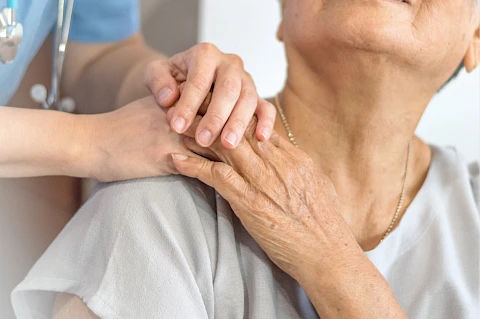
Living with Parkinson's disease presents unique challenges that can significantly impact daily life. For seniors with Parkinson's, maintaining independence and a high quality of life remains essential. Fortunately, in-home care services offer a promising solution that can enhance both. Senior Helpers will explore how in-home care can make a meaningful difference for seniors facing Parkinson’s.
1. Personalized Care Plans
In-home care services provide personalized care plans tailored to the individual needs of seniors with Parkinson’s. Since each person experiences the disease differently, a flexible, customized plan is vital. These plans consider seniors’ specific symptoms and preferences, ensuring care is both effective and comfortable.
2. Assistance With Daily Activities
Daily tasks can become overwhelming for seniors with Parkinson's, but in-home care offers support. Caregivers assist with activities like bathing, dressing, and meal preparation, which can be particularly challenging. By reducing the burden of these tasks, in-home care helps prevent stress and accidents, allowing seniors to enjoy their day-to-day lives more fully.
3. Medication Management
Timely medication is vital for managing Parkinson's symptoms effectively. In-home caregivers play a vital role in ensuring medications are taken at the right times and in the correct amounts. This helps maintain stability in managing the disease and prevents complications that could arise from missed or incorrectly taken medications.
4. Mobility Support
Mobility can be a challenge for those with Parkinson's due to symptoms like tremors and stiffness. In-home caregivers offer valuable support through exercises designed to improve mobility and flexibility. They also assist with navigating the home, using mobility aids, and ensuring that seniors move around safely and confidently.
5. Companionship and Emotional Support
Beyond physical assistance, in-home care provides much-needed companionship for seniors with Parkinson’s. Social interaction is critical for mental health, and caregivers can offer a friendly presence that reduces feelings of isolation and loneliness.
6. Monitoring and Safety
One aspect of in-home care is monitoring health changes and ensuring safety. Caregivers are trained to notice any shifts in a senior's condition that might require medical attention. By maintaining a safe living environment and addressing potential complications early, in-home care enhances health outcomes for seniors living with Parkinson's.
7. Respite for Family Caregivers
Family caregivers play a big role in the lives of seniors with Parkinson's, but they also need time to recharge. In-home care provides respite, allowing family members to take a break while knowing their loved one is in capable hands. This support ensures that the family unit remains strong and that caregivers can continue their role without burnout.
Contact Senior Helpers for Compassionate Support
In-home care offers a range of benefits for seniors living with Parkinson's. From personalized care and daily assistance to emotional support and safety monitoring, these services are tailored to enhance independence and quality of life. Considering in-home care options could make a substantial positive impact on daily life for seniors managing Parkinson's.
If you're interested in learning more about how in-home care can benefit you or your loved one, click here to find a location near you.