

As our senior loved ones age, maintaining good bone health becomes increasingly important. Strong bones help seniors maintain a high quality of life. Without proper care, falls and fractures can lead to complications, decreased mobility, and a loss of independence. Senior Helpers will explore how nutrition, exercise, and fall prevention can play a significant role in preserving senior bone health.
What to Know About Senior Bone Health
Bone density naturally decreases with age, making bones more fragile and susceptible to fractures. This is why understanding bone health is crucial for seniors. One common concern is osteoporosis, a condition where bones become weak and brittle. It affects millions of seniors worldwide, increasing the risk of breaks and fractures from even minor falls.
Nutrition for Strong Bones
Nutrition plays a key role in maintaining senior bone health. A diet rich in calcium and vitamin D is essential. Calcium helps build and maintain bone density, while vitamin D aids in calcium absorption.
Calcium-rich foods include dairy products such as milk, cheese, and yogurt, as well as leafy greens, almonds, and tofu. For vitamin D, seniors should consume fatty fish such as salmon and mackerel, egg yolks, and fortified foods like cereals and juices.
When dietary intake is insufficient, supplements may be considered, but consult with a healthcare provider to determine what's necessary. A healthcare professional can assess individual needs and recommend appropriate dosages to ensure seniors are getting adequate nutrients without risking overconsumption.
The Role of Exercise
Staying active is essential for senior bone health. Weight-bearing exercises help build and maintain bone density.
- Activities like walking, jogging, and climbing stairs are excellent choices.
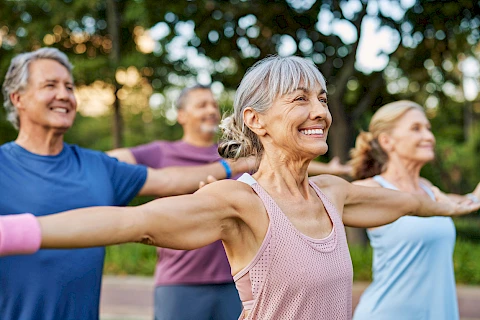
- Seniors might also consider gentle resistance training, tai chi, or yoga, which can improve strength and balance.
- Incorporating exercise into daily routines can be as simple as taking a walk around the block or using the stairs instead of an elevator.
Remember that seniors should always consult a doctor before starting a new fitness routine.
Fall Prevention Strategies
Preventing falls is critical in avoiding fractures. Several factors increase fall risks, but there are effective strategies to mitigate them. Many hazards exist within the home environment that can contribute to falls. Cluttered or slippery floors, poor lighting, and loose rugs are common dangers that should be addressed immediately.
Making simple modifications to the home can also significantly reduce the risk of falls. Installing grab bars in the bathroom provides stability when moving around wet surfaces. Ensuring carpets are secure and removing throw rugs eliminates tripping hazards. Keeping living spaces well-lit, especially hallways and staircases, helps seniors see potential obstacles.
Beyond environmental changes, regular vision and hearing checks can also reduce the risk of falls. These screenings ensure seniors can navigate their surroundings safely by maintaining their ability to see hazards and hear warning sounds.
Osteoporosis Screening
Osteoporosis screening is also an important aspect of maintaining senior bone health. Regular osteoporosis screenings are an effective measure for early detection and prevention of bone fragility. Bone density tests can help identify seniors at risk, enabling timely interventions to prevent fractures. These tests are usually quick and non-invasive, providing valuable insights into a senior's bone health.
Caregiver's Role in Reducing Fracture Risk
Caregivers play a vital role in supporting seniors to maintain their mobility and reduce the risk of fracture. By ensuring seniors follow medical advice and make necessary lifestyle changes, caregivers can help minimize the risk of falls and related complications. Encouraging them to stay active, eat a balanced diet, and attend regular health appointments creates a foundation for better senior bone health.
Discover Comprehensive Care and Support Services
Maintaining senior bone health is essential for preventing falls and fractures, which can significantly impact the independence and quality of life of our loved ones. Through a combination of good nutrition, regular exercise, and fall prevention strategies, seniors can achieve stronger bones and improved health. Regular osteoporosis screenings, along with support from caregivers, further enhance these efforts.
For personalized care and support for seniors, click here to find a Senior Helpers location near you.