

Cold and flu season poses particular challenges, especially in senior care settings where the risk of infection is higher. Seniors are particularly vulnerable to these illnesses and can experience more severe symptoms and complications compared to younger adults. Caregivers play a key role in promoting cold and flu prevention in seniors, as Senior Helpers will outline. By understanding and implementing prevention strategies, caregivers can help enhance the health and well-being of seniors during these challenging months.
The Importance of Vaccination
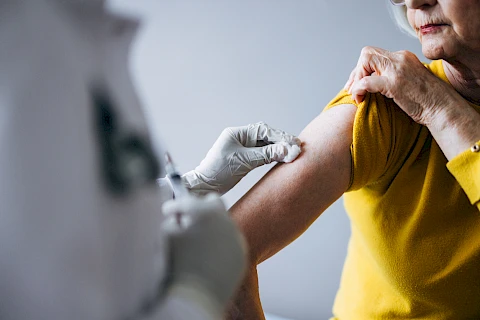
Cold and flu prevention in seniors involves getting all necessary vaccinations. Flu and pneumonia vaccines can significantly reduce the risk of severe illness and hospitalization. By ensuring seniors receive their annual flu shot and other recommended vaccinations, caregivers can provide substantial protection against these viruses.
Vaccines help the body's immune system respond to the virus if exposed, leading to milder symptoms and quicker recovery. Caregivers should regularly check with healthcare providers to confirm that seniors have received all recommended vaccinations.
Hygiene Tips for Caregivers and Seniors
Maintaining proper hygiene is also an important part of cold and flu prevention in seniors, helping limit the spread of viruses. Here are some key tips:
- Handwashing: Encourage everyone to wash hands frequently with soap and water for at least 20 seconds.
- Hand Sanitizers: When soap and water aren't available, use an alcohol-based hand sanitizer.
- Clean Surfaces: Regularly disinfect frequently touched surfaces like doorknobs, remote controls, and countertops.
- Masks: Wearing masks can help prevent the spread of flu germs, especially during peak flu season or an outbreak.
A strong immune system can also help seniors ward off infections more effectively. Caregivers can support seniors' immune health through several important approaches. Ensuring seniors eat a balanced diet rich in vitamins and minerals is fundamental to immune function. This means incorporating plenty of fruits, vegetables, and lean proteins into daily meals to provide the nutrients the body needs to fight off infections.
Other Ways to Prevent Illness
Regular physical activity supports cold and flu prevention in seniors by maintaining strong immune health. Caregivers should encourage low-impact exercises such as walking or stretching to keep seniors active and healthy without overtaxing their bodies. Remember to consult a doctor before starting a new fitness routine. Adequate restful sleep is also equally important, as it allows the body to repair itself and strengthen its natural defenses against illness.
Finally, managing stress can significantly impact immune function. Caregivers should encourage seniors to engage in activities that promote relaxation and mental well-being, such as reading, meditating, or pursuing enjoyable hobbies.
The Critical Nature of Infection Prevention
Preventing infections in seniors is critical since they can lead to severe complications. Seniors' immune systems are often weaker, making them more susceptible to prolonged illness. Complications such as pneumonia can have long-lasting effects on their health and quality of life.
It is the caregivers' responsibility to maintain a safe and healthy environment for seniors. This involves not only practicing good hygiene and supporting vaccinations but also being vigilant about seniors' overall health and promptly addressing any signs of illness.
Senior Helpers Offers Comprehensive Care and Support Services for Seniors
Cold and flu prevention in senior care settings is essential to protect seniors’ health and well-being. By prioritizing vaccinations, practicing proper hygiene, and supporting a healthy lifestyle that boosts the immune system, caregivers can make a significant difference.
Click here to find a Senior Helpers location near you. We stand ready to support you and your loved ones with compassionate care services.